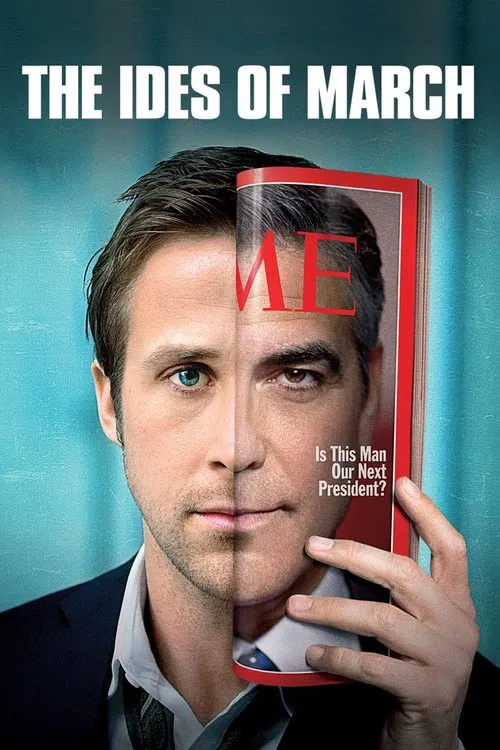
The Ides of March (2011): Ending Explained
Molly dies, Stephen blackmails Morris with a fake suicide note, takes Paul's job, and Morris trades the vice presidency for Thompson's endorsement.
6 min read
Release Year: 2011
Rating: 6.7/10
Runtime: 101 minutes
By Ending Explained Team
The short answer
The short answer
Stephen Meyers finds Molly Stearns dead after an overdose on post-abortion pills, then blackmails Governor Mike Morris with a suicide note he knows is fake. To bury the scandal, Morris fires Paul Zara and hands Stephen his job, then offers Senator Franklin Thompson the vice presidency to lock up the nomination. That is the reveal: the film's final act is not a fall but a promotion. In the last scene, Stephen stonewalls reporter Ida Horowicz on the way to a press interview, and after Morris delivers a speech about dignity and integrity, Stephen gets ready to explain how they landed Thompson. The film ends on his complicity, not his comeuppance.
The final act

Molly learns what Stephen did
Word reaches Molly that Stephen was fired and had sworn to destroy the campaign. She has just had an abortion. With her affair with Morris sitting underneath all of it, she fatally overdoses on post-abortion pills. The story moves straight from her overdose to Stephen discovering the scene.
Stephen finds her
Stephen discovers the scene. What he does with it is the hinge of the whole movie: he takes Molly's real death and turns it into a fictional suicide note, then uses that note as leverage against Morris. He turns her death into leverage.
Morris pays in staff, not in consequence
To keep the affair from surfacing, Morris fires Paul Zara and promotes Stephen to senior campaign manager. Stephen, fired for disloyalty, ends up outranking the man who fired him. The scandal costs the campaign one loyal man and promotes the man who turned it to his advantage.
Thompson gets the offer
Morris offers Senator Franklin Thompson the vice presidency, and Thompson's endorsement follows. That is the nomination, effectively. The deal Morris refused on principle earlier in the film is the deal he makes to survive, and Stephen's blackmail is what stands behind it.
Stephen stonewalls Ida
On the way to a press interview, Stephen shuts Ida Horowicz down. She came to him at the start wanting the inside story, and now he is the inside story, and he gives her nothing. The relationship that once threatened him is over.
The speech
Morris speaks on dignity and integrity. Stephen stands ready to explain how they got Thompson. The film's last image of its lead character is a man preparing to explain how they secured the endorsement.
The ledger
What he gains
Stephen Meyers gets the senior campaign manager job, a candidate who owes him, and a seat at the table he was fired from days earlier. He's been called the best media mind in the country, by the other side.
What he pays
Stephen Meyers pays with Molly. He fired her for making a mistake, told her mistakes mean you lose the right to play, and then used her death as leverage. His faith in Morris was already fading, and the film gives him nothing to replace it with except the job.
What he gains
Mike Morris gets Thompson's endorsement, the de facto nomination, and the scandal contained. He gets to keep giving speeches about dignity and integrity.
What he pays
Mike Morris pays by becoming the thing he refused to be. He told Stephen he wouldn't put Thompson on the ticket on principle. He fires Paul, the loyal one, to protect himself, and he lets Stephen hold the leverage.
What he gains
Paul Zara gains nothing. He is fired.
What he pays
Paul Zara pays for leaking Stephen's meeting with Duffy to Ida. The Thompson pursuit he mentioned to her off the record was separate and earlier. He took the fall for the candidate he spent his career serving.
What he gains
Franklin Thompson gets the vice presidency, a better prize than the Secretary of State post Pullman promised him for the same endorsement, now delivered by the man who once wouldn't consider it.
What he pays
Franklin Thompson pays nothing on screen. He is exactly what he always was, and the film doesn't pretend otherwise.
The irony
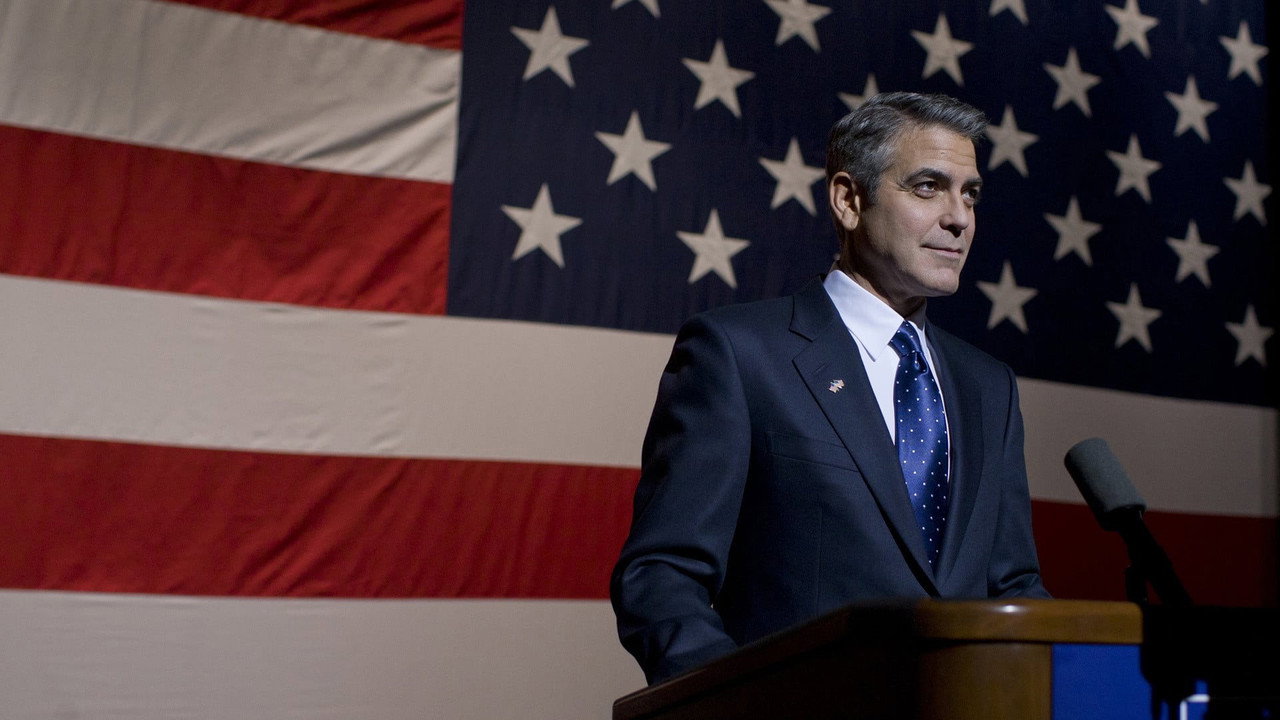
Morris gets the nomination by making the exact deal he told Stephen he wouldn't make. That is the cleanest irony the movie has, and it lands on the candidate rather than the staffer. But the sharper one is Stephen's. He spends the first half of the film as the true believer, the guy who tells Duffy that promising Thompson Secretary of State is dirty politics, the guy who believes in Morris's cause. By the end he converts a woman's death into a threat, and Morris answers with the vice presidency for Thompson. He wanted to run a campaign he could believe in. He gets to run one instead. The film is careful about this: it shows Stephen stonewalling Ida and prepping for the interview, and nothing more. I'd read the promotion as the punishment; the film doesn't settle what he feels.
Did anyone get a warning
Ida Horowicz gives it to Stephen directly, early, before any of this is possible. She tells him Morris will disappoint him. He doesn't listen, because he still believes deeply in Morris's cause. Disappointment and betrayal aren't different things, in this movie.
The warning is so plain that on a rewatch it plays like instruction. Ida tells Stephen the truth for free, and she's the one he ends up freezing out. That's the trade the ending completes: he stops being the person warnings are for.
The verdict
The verdict
The Ides of March ends with Stephen Meyers in a better job than he started in, working for a candidate whose cause he no longer believes in, having turned Molly's death into leverage and Paul's firing into his own promotion. The film does not think he got away with it and does not think he was punished either. It thinks he became the cynic, and that the becoming was the cost. Duffy told him to get out of politics before he grew cynical and jaded. Stephen didn't get out. He got promoted, and the last shot of him is a man about to explain how they secured Thompson's endorsement, after a speech on dignity and integrity. I'd read that explanation as a lie, and the film ends before he tells it.