Michael (2026): Ending Explained
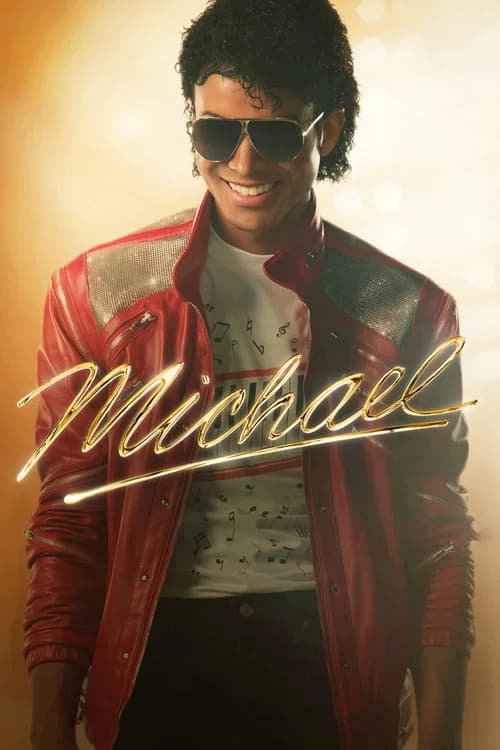
Michael ends on the Bad World Tour in 1988, a deliberate stop before the allegations. The film's exit is a refusal, not a celebration.
8 min read
Release Year: 2026
Rating: 8.6/10
Runtime: 128 minutes
By Ending Explained Team
The short answer
The short answer
Michael ends on the Bad World Tour, and that's not a victory lap. It's a verdict dressed as a celebration. The film stops in 1988, at Wembley, with Michael Jackson performing to a crowd that loves him, and it stops there on purpose: everything the man did after that night, the surgeries and the settlements and the allegations, sits outside the frame. Antoine Fuqua and John Logan don't run out of movie. They choose the exit. The ending is a curtain pulled at the precise moment the story turns from triumph to reckoning, and calling that a "celebration of his artistry" is the polite way of naming what it actually is: a refusal.
What the last scene actually shows
Michael agrees to tour with his siblings on the Victory Tour. Let's be exact about the order, because the order is the argument.
He signs on
Michael, still recovering from the Pepsi burns and still weighing whether to do it, agrees to join his brothers on the Victory Tour. The tour happens.
Dodger Stadium, December 1984
At the tour's final show, the Jacksons perform "Human Nature" and "Working Day and Night." Michael is onstage with his brothers, the act their father built, in its last performance.
The announcement
Michael tells the crowd, and the world, that this is the last time the Jacksons will perform together. He walks off the family business. The tie to Joseph is severed, on the record, at the end of the show.
Wembley, 1988
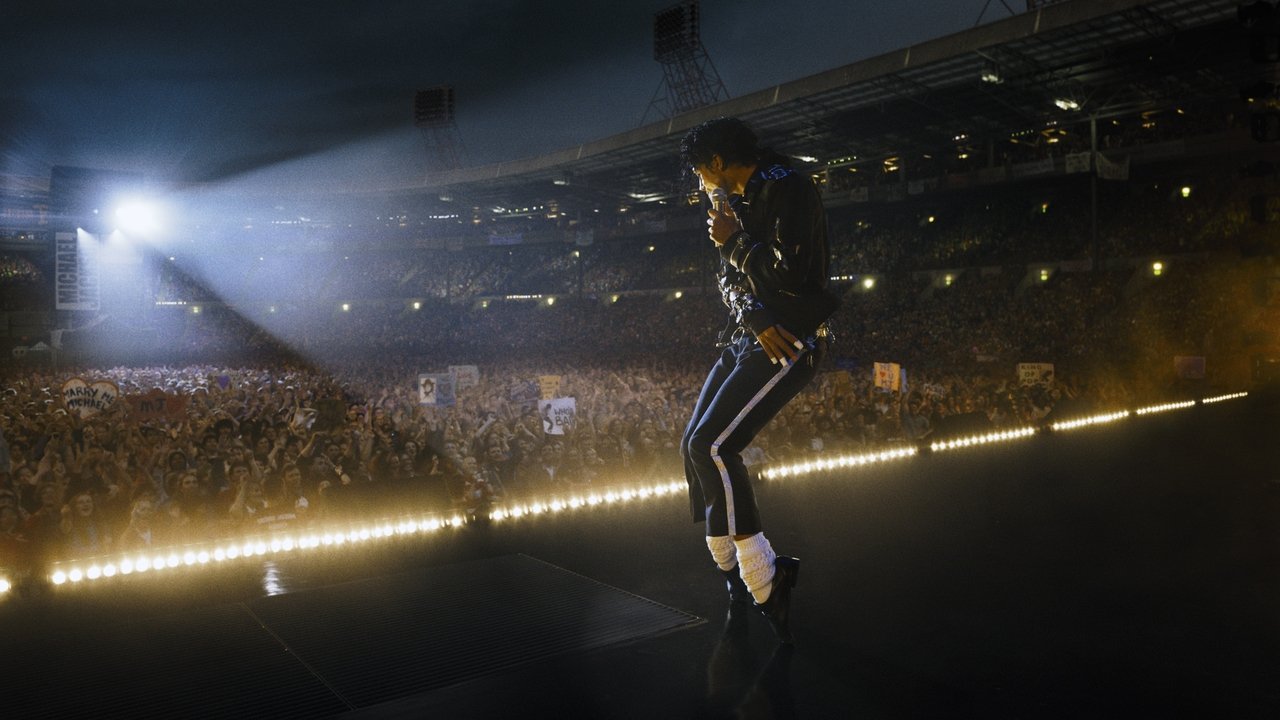
Cut to the Bad World Tour. Michael, alone, at Wembley Stadium, performing to an ecstatic crowd. That's the final image. Not a hospital, not a courtroom, not a house in Encino. A stage, a solo tour, a man who got out.
That's what the movie gives you. It gives you a man leaving his father and then standing on his own stage, and it ends before the price of that freedom comes due.
Where the film switches tracks
The film sets up the ending you'd expect in the Pepsi sequence. Joseph has already cut the deal with Don King, already sold the Victory Tour, already traded his son's body for a sponsorship. Michael's hair catches fire from the pyrotechnics. Third-degree burns, nerve damage. This is a biopic promising the classic third-act arc: the exploitation that finally breaks the relationship, the lawsuit that follows, the reckoning. He and Branca sue PepsiCo, and the settlement goes to the burn center where he was treated. A boy gets hurt making his father's money, and the money gets redirected to the people who patched him up. That's a movie about cost.
And then the film stops paying it. Michael does the tour, ends the tour, ends the family act, and the movie jumps four years to Wembley. The reckoning never arrives. It gets an ending instead.
But this is a frustratingly shallow, inert picture, a kind of cruise-ship entertainment, which can't quite bring itself to show that Michael was an abuse victim, brutalised by his father and robbed of his childhood.
Bradshaw is describing the whole film, but he's really describing the exit. The Pepsi fire is the last time the movie lets anything cost Michael anything. After that, it's management.
What gets revealed, and what doesn't
Here's what the ending establishes, cleanly: Michael severed from Joseph. The Victory Tour closes the Jacksons as a performing unit, and Michael says so out loud. The Bad World Tour is his, solo, and it's enormous. The film's final statement is that this man escaped his father and became the biggest solo act alive.
Here's what it doesn't establish. It doesn't tell you what the escape cost him, because the movie's timeline originally ran to 1995. The production shot footage of the abuse allegations. It shot an action sequence re-enacting the 1993 police raid on Neverland Ranch. None of that is in the finished film. Reshoots in June 2025, twenty-two days, followed a rewrite that removed references to the allegations, and the new ending was added then. So the ending isn't just where the story stops. The ending is what was built to replace the material that would have kept going.
That's the thing to hold onto. This isn't a film that ran out of road. It's a film that had the road, and paved over it.

The Rotten Tomatoes consensus lands here: "this musical biopic mostly plays like a 'greatest hits' album that could've benefitted from including liner notes to give actual insight into the icon." A greatest-hits record doesn't end because the artist stopped. It ends because the label decided you'd heard enough.
The thing it retroactively changes
Go back to the fax. In 1981, Michael hires John Branca, and Branca helps him fire Joseph by fax. On first watch, that reads as a kid finally landing a punch, the moment the son takes the wheel. After Wembley, it reads differently. Firing your father by fax is not a clean break. It's a break you make because you can't stand in the room. The ending reframes that fax as the first time Michael chose distance over confrontation, and the film's final move, jumping four years past everything, is the same instinct scaled up. He doesn't resolve the relationship. He leaves the building.
Now go back to the burn center. While hospitalized, Michael meets the other patients and weighs whether to do the Victory Tour. On first watch, that's a man in pain deciding whether to get back to work for his family. After Wembley, it's the last time the film shows Michael considering anyone's needs but his own career, and he chooses the tour. The film presents that as loyalty. The ending makes it look like the last time he paid the family tax before he stopped paying it. The burn center, where the settlement money went, is where the movie's moral accounting peaks, and it never balances again.
If you were expecting the other ending
The strongest case for the ending as it stands is Pete Hammond's: "You are bound to leave this one dancing. And what is wrong with that?" There's a real argument here. Michael Jackson's art is the point. A biopic doesn't owe you a true-crime documentary. Ending on the Bad World Tour honors the performer, keeps the film about the work, and lets the audience leave with "Working Day and Night" in their heads instead of a deposition. Plenty of great music films end on the stage.
But the film rules that reading out by its own construction. It didn't choose the Wembley ending because the story naturally closed there. It rewrote the script to remove the allegations and built a new ending to replace the old one. That's not a film stopping at the top of the mountain. That's a film stepping around the cliff. And it can't plead innocence, because it spends its whole runtime teaching you that Joseph's management was exploitation. It knows what a man being used looks like. It just stops asking who was using Michael after 1984.
The Hollywood Reporter drew the line plainly: "The film leaves itself open to accusations of making Michael a saint, which will not sit well with the cancel crowd." A saint's ending is a stage. A man's ending is what happens after the stage lights go down.
a filmed playlist in search of a story
That's the cost of the Wembley cut. The playlist has a last track. It just doesn't have a last chapter.
The verdict
The verdict
Michael ends in 1988 because the filmmakers needed a place to stop where the audience would still be clapping. The Bad World Tour is real, the crowd is real, the performance is real, and none of that is a lie. But the choice to make it the last image is an editorial act, not a historical one, and the reshoots prove it: the film had footage of the 1993 raid, had the allegations, had the years that explain how a man who escaped his father ended up trapped by something else. It buried all of it and hung a curtain at Wembley instead. So when Hammond asks "what is wrong with that?", the answer is: nothing, if you only wanted the hits. Everything, if you wanted to know what the man paid to stand on that stage alone. The ending isn't a triumph that the film fails to complicate. It's a complication the film chose not to show.