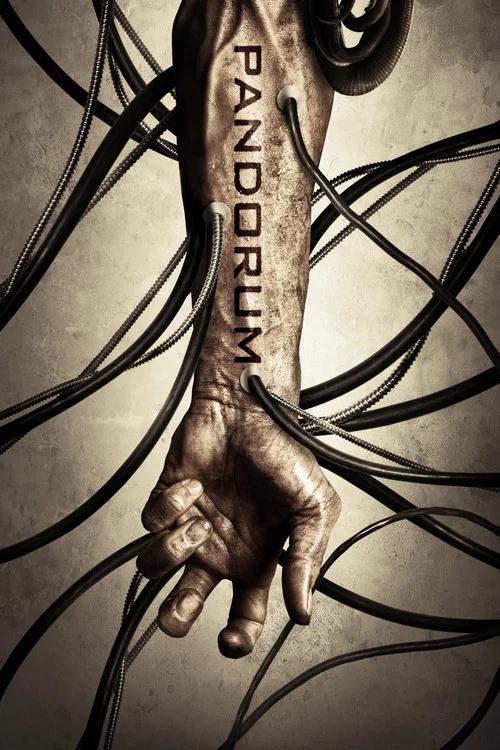
Pandorum (2009): Ending Explained
Bower and Nadia eject as the bridge floods: 923 years have passed and the Elysium already landed on Tanis; 1,211 pods follow them up.
8 min read
Release Year: 2009
Rating: 6.6/10
Runtime: 108 minutes
By Ending Explained Team
The short answer
The short answer
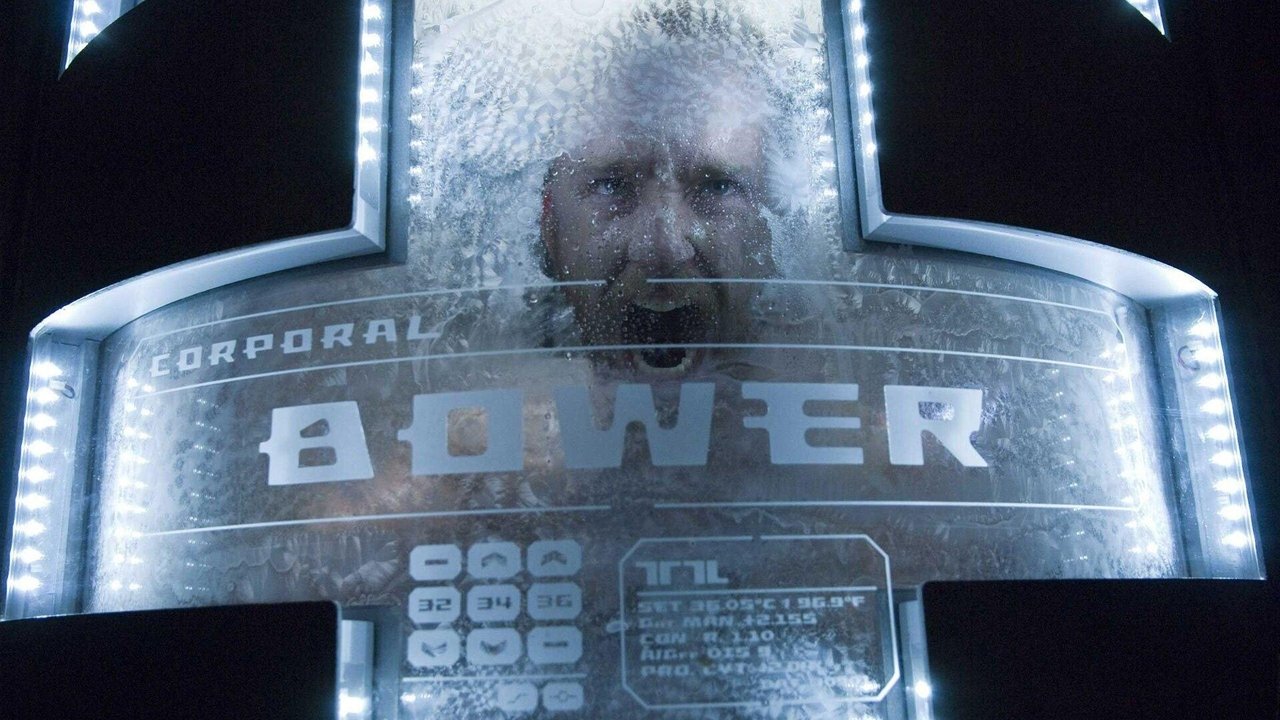
The Elysium already landed itself on Tanis. The starless void that Gallo pointed to through the bridge windows was never deep space, just the dark of the sea, and the ship now sits on the ocean floor. Bower and Nadia escape the flooding bridge inside Bower's hyper-sleep pod, which ejects and carries them to the surface. They come up near a lush coastline and watch the other pods break the water. Gallo kills Leland as he turns up, and the film doesn't settle what happens to Gallo after Bower and Nadia eject. The ship's breach triggers an emergency protocol that fires the remaining 1,211 active pods up to the surface, so the colony the reactor reset was meant to keep alive gets delivered after all.
The contract
For most of its running time, Pandorum sells you a very specific deal. Two men wake up on a vast ship with no memory, one trapped in a room, one crawling through the walls, and you settle in for a closed-system survival picture. The reactor needs resetting. The radio keeps cutting out. Something in the dark eats people. The rules are the rules of a sealed ship: the threat is inside, the exits are locked, and the only question is which of these two men gets out alive.
The film even hands you a diagnosis to organize your fear around. Pandorum is the title, and it's a fictional slang term for a form of psychosis brought on by deep space and triggered by emotional stress, producing paranoia, delirium, nosebleeds. Bower and Payton wake with partial amnesia and possible pandorum. So the contract has a psychological clause too: some of what you're watching may not be real, and the movie will eventually tell you which parts weren't. You're promised a contained horror film with a twist about whose mind has come apart, and you're promised the ship is a tomb drifting somewhere unimaginably far from home.
The breach
The breach doesn't happen at one moment. It happens in three, and each one takes back something the film previously promised.
Payton isn't there
Gallo grows erratic in Payton's quarters, and Payton prepares a sedative. They wrestle over it, and Payton understands that Gallo is an hallucination, and that "Payton" is really the aged Gallo, who took Payton's pod after he developed pandorum upon hearing Earth was gone. The man who has been guiding Bower by radio for the whole film is the man who killed his crew and goaded the awake passengers into the violent culture. The voice of reason was the disease.
The windows lie
Gallo enters the bridge, kills Leland when he turns up, and when Bower and Nadia confront him he points to the bridge windows: the ship is adrift in deep space, no stars visible. It's the film's most desolate image, and it pushes Bower further toward insanity.
The void is an ocean
Nadia looks through those same windows and sees ocean life. The computer displays that 923 years have elapsed since the mission launched, that the Elysium has already landed itself on Tanis, and that it now sits on the ocean floor. The starless dark was water. The ship wasn't lost. It arrived.
Then a stray shot floods the bridge, and Bower and Nadia eject in his pod. The breach triggers an emergency protocol that launches the remaining 1,211 active pods to the surface. Bower and Nadia come up near a lush coastline and watch the other pods break the water.

Why it does it
The contract the film breaks is the one about scale. For two hours Pandorum trains you to read every window as proof of cosmic distance. Then it tells you the void was the sea.
That's a strange move for a horror film, and critics split on whether it earns itself. Rotten Tomatoes' critical consensus called it "bloated, derivative" and said the plot "ultimately leaves it drifting in space," which is a nice accidental irony given the film's own ending, but the complaint is real: the middle hour cycles through chases and ambushes without much variation. SFX magazine went the other way, calling it "Pandorum is the finest interstellar horror in years," which is a verdict on the genre mechanics rather than the reveal.
I'd argue the landing twist is the one idea in the film that isn't borrowed. The Earth transmission the Elysium receives, "You're all that's left of us. Good luck, God bless, and Godspeed," sets up a mission with no home to return to and no one left to report to. The movie then spends its runtime making you feel that abandonment as a physical condition: dead sleepers, a reactor full of things that used to be people. When the computer finally says 923 years, the number does the work the imagery couldn't. Nobody was flying this ship. It flew itself, and it got there, and the landing saves the sleepers, not the mutant society or Gallo.
There's a production history here that explains the shape of the thing. Travis Milloy's original late-1990s script was set on a prison ship called Pandorum, hauling thousands of Earth's deadliest prisoners to another planet, with the cannibal hunters as the degenerate descendants of the inmates. Christian Alvart had his own screenplay, No Where, about four astronauts on a settlers' ship with amnesia. The two were melded, the ship became a settler's ship, and Pandorum stopped being a place and became a disease. You can feel both films inside the final cut: the prison-ship movie wants bodies in the dark, the settlers' movie wants a destination. The ending is where the second one wins.
What the film becomes
What it looks like
A deep-space survival horror. Sealed ship, failing reactor, cannibal mutants in the walls, two men who can't trust their own memories, and a title that names a psychosis so you spend the whole film unsure which events are real.
What it is
A colonization story whose ship arrived without anyone awake to know it. The Elysium is not a tomb adrift in the void. It's a ship that landed itself and now sits on the ocean floor, and the mutants aren't the monsters of the piece so much as the awake passengers' descendants, who arrived first and rotted. The enzyme meant to help settlers adjust to Tanis is what made them, which means the thing that turned humans into cannibals was the same tool built to make them at home here. The film ends with pods breaching the surface of a living ocean.
The verdict
The verdict
Pandorum's ending is better than the film around it, and it's better for a reason the film doesn't quite earn: it changes what the whole movie was about. The reactor reset, the paranoid Leland gnawing on algae, the mutants in the nest, all of it was a voyage that had already succeeded. Bower spends the film trying to save a ship that landed before he woke up. That's a cruel joke, and the movie lands it without smugness, because the coastline is real and the pods do come up.
The cost is that the middle hour now looks like what it is: filler between a strong premise and a strong reveal. Rotten Tomatoes wasn't wrong that the plot drifts, and SFX wasn't wrong that the horror machinery works. What neither quite names is that the reveal retroactively gives the drift a subject. The Elysium didn't know it had arrived either. Neither did anyone on it.
The film's real argument, I think, is about what a mission is worth when the people it was meant for never get briefed. Gallo wants to keep the violent society, and he has a case: the violent tribal culture Gallo goaded into being is the actual culture of this ship, and reviving civilization means overriding it. The protocol fires, and 1,211 sleepers get a coastline that came up 923 years after launch instead of the promised 123. Whether that counts as the mission succeeding or the mission being irrelevant is the one thing Pandorum doesn't settle. I'd say it's both, which is why the last shot isn't triumph. It's people watching other people arrive.