Bird (1988): Ending Explained
""There are no second acts in American lives.""
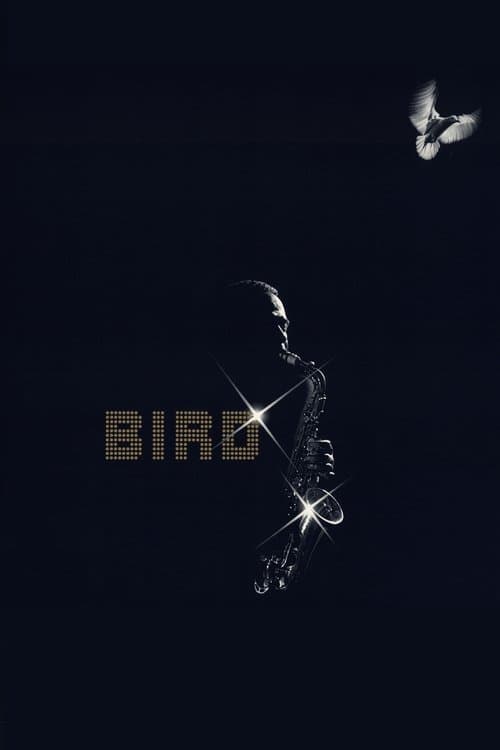
Saxophone player Charlie 'Bird' Parker comes to New York in 1940 and is quickly noticed for his remarkable way of playing. He becomes a drug addict but his loving wife Chan tries to help him.
8 min read
Release Year: 1988
Rating: 6.8/10
Runtime: 161 minutes
By Ellis Carver
Bird (1988): Ending Explained
Quick Recap
Clint Eastwood's Bird (1988) is a biographical jazz drama that chronicles the turbulent life of legendary alto saxophonist Charlie "Bird" Parker, from his early struggles in Kansas City to his meteoric rise and tragic fall in the bebop era. The film opens with a young Parker facing ridicule for his innovative, erratic playing style at the Reno Club in 1939. Undeterred, he heads to New York City, where he collaborates with trumpeter Dizzy Gillespie, helping pioneer bebop—a revolutionary jazz form that blends rapid improvisation with complex harmonies. Amidst growing acclaim, Parker meets Chan Parker, a dancer and fellow jazz enthusiast, sparking a deep but complicated romance. However, his burgeoning heroin addiction begins to erode his personal and professional life, leading to hospitalizations, failed engagements, and strained relationships.
As Parker's fame swells, so do his demons. He tours with Jewish trumpeter Red Rodney in the South, navigating racial tensions by cleverly disguising Red as an "albino blues singer" to avoid backlash against their interracial band. Back in New York, Parker fathers children with Chan—including daughter Pree and son Baird—and performs at the newly opened Birdland club, named in his honor. Yet, addiction and legal troubles mount: arrests for drug possession revoke his cabaret card, forcing him to relocate to Los Angeles. There, he reconnects with Dizzy but spirals further, exacerbated by the devastating death of young Pree from illness. A suicide attempt via iodine ingestion lands him in psychiatric care, where Chan fights against shock treatments that could dull his genius. Released, the family moves upstate for a fresh start, but Parker's pull toward the city—and his art—proves irresistible, setting the stage for his final, fateful descent.
What Happens in the Ending
The film's climax unfolds in a quiet, understated sequence that captures the quiet erosion of Parker's vitality. After a period of relative stability upstate with Chan and their children, Charlie returns to New York City for a crucial audition arranged by his friend and club owner Brewster. As he wanders the once-vibrant 52nd Street—once a hub of jazz innovation—he's struck by its transformation: the legendary clubs where bebop was born have devolved into seedy strip joints, a stark visual metaphor for the erosion of the scene he helped create. Distracted and disheartened by this decay, Charlie misses the audition entirely. Overwhelmed by embarrassment and unable to face Chan with the news, he instead seeks refuge at the apartment of Baroness Nica de Koenigswarter, a wealthy European patron of jazz and one of his closest confidantes.
Exhausted and possibly under the influence, Charlie collapses and passes out upon arrival. A doctor is summoned, who urges him to seek immediate hospital care, but Charlie, in a haze of denial and fatigue, refuses. Instead, he spends his final moments in a surreal, almost domestic intimacy with Nica, watching a nature documentary on television featuring a bird in flight—ironically mirroring his nickname "Bird." As the program plays, Charlie suffers a massive heart attack, slumping lifelessly on the couch. The film closes with a somber shot of his body being wheeled away, intercut with archival footage of the real Parker performing, underscoring the abrupt end to his life at just 34 years old. No grand fanfare or jazz swells accompany his death; it's a poignant, anticlimactic fade to black, emphasizing the mundane tragedy of his passing.
The Meaning Behind the Ending
Eastwood's depiction of Parker's final hours is a masterful meditation on the fragility of genius and the inexorable toll of self-destruction. The transformation of 52nd Street into a strip club district isn't just a historical nod to post-war urban decay; it's a symbolic requiem for bebop itself, once a beacon of artistic rebellion now commodified and stripped bare. Charlie's distraction here reveals the psychological weight of obsolescence—his life's work, the revolutionary sound he birthed with Gillespie, feels increasingly irrelevant in a changing world, mirroring his own physical and emotional unraveling.
The choice to end at Nica's apartment, rather than in a blaze of musical glory, underscores themes of isolation and unfulfilled potential. Parker's refusal of medical help speaks to a deeper moral complexity: a man so attuned to the chaos of improvisation that he can't surrender to structure, even when it means survival. The television bird footage serves as a poignant metaphor—Parker, the "Bird," soars briefly in memory but ultimately plummets, his flight clipped by addiction and circumstance. This ending critiques the societal neglect of artists like Parker, who fueled cultural revolutions yet were abandoned by an industry and medical system ill-equipped for their vulnerabilities. It's a human truth laid bare: brilliance doesn't immunize against mortality, and personal demons, unchecked, eclipse even the most transcendent talents.
Character Arcs and Resolution
Charlie Parker's arc in Bird is a tragic parabola of ascent and collapse, culminating in an ending that resolves his journey not with redemption but with quiet resignation. From the jeered novice in Kansas City to the bebop architect who inspires Birdland's naming, Parker's growth is defined by his unyielding pursuit of innovation, even as addiction fractures his bonds. His death resolves this arc by denying him the comeback he craves—the missed audition symbolizes the final severance from his creative lifeline, leaving him adrift in a world that has moved on. Psychologically, it's a portrait of a man whose genius was both salvation and curse, his refusal of the hospital a last act of defiant autonomy that seals his fate.
Chan's arc, as the steadfast anchor, reaches a bittersweet close. Her unwavering support—from arranging bookings to shielding him from shock treatments—highlights her role as moral compass, yet the ending leaves her journey unresolved, implying the ongoing burden of his legacy on their family. Red Rodney's earlier struggles with addiction echo Parker's, but his arrest and implied recovery contrast Charlie's end, underscoring themes of choice and consequence. For the family, including surviving children Kim, Baird, and the memory of Pree, the resolution is one of loss: Parker's death cements their place in the shadow of a legend, a commentary on how personal turmoil ripples into collective grief.
Alternate Interpretations
While Bird's ending is largely unambiguous in its literal tragedy, it invites interpretive ambiguity around Parker's agency and intent. One reading posits his missed audition and retreat to Nica's as a subconscious suicide—an extension of his earlier iodine attempt, where depression over Pree's death and career stagnation overrides survival instincts. The bird on TV could symbolize liberation through death, suggesting Parker orchestrates his exit on his terms, free from the "cures" that might stifle his essence.
Alternatively, the scene's domesticity with Nica might interpret his end as one of rare peace, a fleeting respite from chaos where he's finally "home" among true patrons. This view subverts the tragedy, framing death not as failure but as release from a society that marginalized him—racially, as seen in the Southern tour, and personally through addiction's grip. These layers add moral complexity: Was Parker a victim of circumstance, or did his choices seal his doom? Eastwood leaves it open, inviting viewers to ponder the blurred line between self-sabotage and systemic betrayal.
Themes and Symbolism
The ending reinforces Bird's core themes of addiction as both muse and destroyer, and the fleeting nature of artistic legacy in a commodified world. Symbolically, the strip clubs on 52nd Street subvert the jazz utopia Parker helped forge, commenting on societal shifts toward superficial entertainment over substantive art—a subtle critique of 1950s America marginalizing Black innovators like him. His heart attack during the bird documentary evokes Icarus-like hubris: Parker's "flight" of bebop genius burns too bright, crashing under the weight of excess.
Broader societal commentary emerges in the racial undercurrents—Parker's clever tour ruse with Red highlights interracial solidarity amid prejudice, while his death alone underscores isolation from a white-dominated power structure. Thematically, the film grapples with moral ambiguity: addiction isn't glorified but humanized, revealing truths about how creative fire consumes the soul. Eastwood subverts biopic tropes by denying heroic closure, instead illuminating the human cost of genius in an indifferent society.
Final Thoughts
Clint Eastwood's Bird delivers an ending that lingers like a haunting saxophone solo—subtle, sorrowful, and profoundly resonant. By stripping away melodrama for raw intimacy, it honors Parker's complexity without romanticizing his flaws, making his death a mirror for our own vulnerabilities. This contemplative close works masterfully, transforming biography into elegy and inviting reflection on how we value our artists. In an era still grappling with mental health and cultural erasure, Bird's finale remains a timeless reminder: true innovation demands we confront the shadows it casts, lest they silence the music forever.