U Turn (2018): Ending Explained
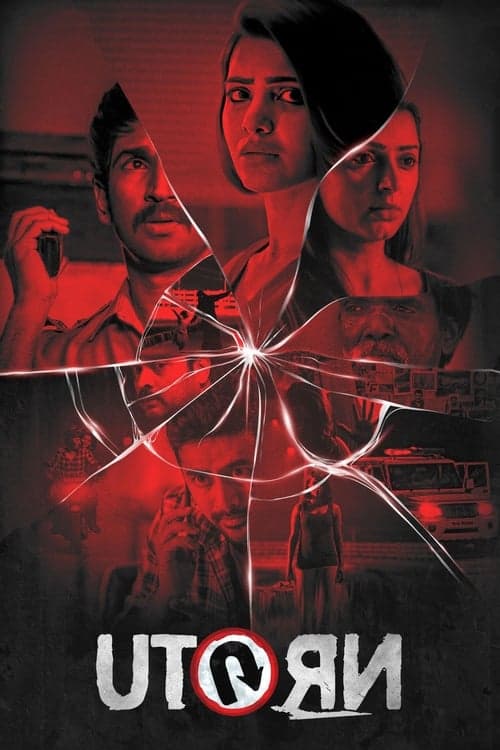
When a flyover in the city becomes the hotbed of accidents, a young reporter decides to investigate the issue. Her quest for an answer would lead her into a web of intrigue, murder and mystery.
8 min read
Release Year: 2018
Rating: 6.856/10
Runtime: 129 minutes
By Luna Sterling
U Turn (2018): Ending Explained
By Luna Sterling
In the shadowy underbelly of Bengaluru's bustling flyover, U Turn (2018) weaves a chilling tapestry of urban paranoia, supernatural dread, and moral reckoning. Directed by Pavan Wadeyar, this Kannada thriller grips you with its humid tension, the constant hum of traffic masking whispers of the otherworldly. As a film critic who's dissected countless tales of guilt and ghosts, I find U Turn's ending a masterful gut-punch—visceral in its revelations, leaving a lingering chill like fog rolling off the city's rain-slicked roads. If you're here for the U Turn ending explained, buckle up: we'll unravel the literal chaos of those final moments, probe the psychological depths, and explore how it all ties into the film's haunting core.
Quick Recap
Rachana (Alaya Brunella Sashital), a wide-eyed intern at The Times of India, stumbles into a nightmare while investigating a string of fatal accidents on a notorious flyover. What starts as a routine story about reckless drivers ignoring concrete barriers to make illegal U-turns spirals into something far more sinister. With the help of Sub-Inspector Pradeep Nayak (Roger Narayan), a skeptical but dogged cop, and her crush Aditya (Aishwarya Rai Bachchan—no, wait, that's a mix-up; in this tale, it's the sharp crime reporter she admires), Rachana uncovers a pattern: every violator meets a gruesome end, from suicides to inexplicable violence, as if cursed by the very road they defy.
The flyover itself feels alive, a concrete vein pulsing with hidden malice. A homeless man, scarred and spectral under the sodium lights, jots down license plates of the offenders, passing them to Rachana like forbidden scrolls. As bodies pile up—lawyers leaping to their deaths, young men turning on each other in locked cells—the air thickens with unease. Rachana's own brush with the supernatural, dreaming of vengeful spirits amid the screech of tires and shattering glass, pushes her to the edge. Desperate, she takes the forbidden U-turn herself, awakening to accusations from beyond the grave. The culprit behind a tragic family accident haunts the narrative, their identity a shadow lengthening over the investigation.
Leading into the climax, Rachana and Nayak pinpoint the driver responsible for the deaths of Maya and her daughter Arna—Ritesh's wife and child, lost in a pile-up triggered by a shifted barrier. The flyover's curse seems tied to their unrest, a supernatural enforcer meting out justice in blood and broken bones. Rachana's quest for truth collides with betrayal, as suspicions fall on those closest to her, the city's relentless roar drowning out cries for mercy.
What Happens in the Ending
The final act of U Turn unfolds like a fever dream, the flyover's oppressive hum giving way to intimate confrontations laced with dread. Rachana, her nerves frayed from sleepless nights and spectral visions, takes a bold, almost ritualistic step: she scrawls the phone number and address of the suspected culprit on a helium balloon, releasing it onto the flyover like an offering to the windswept ghosts. The balloon drifts lazily against the twilight sky, a fragile messenger in the gathering dusk, carrying the weight of unspoken sins.
Tracing the number leads her to Aditya, her erstwhile ally and object of affection. In a tense standoff in his dimly lit apartment, shadows clinging to the walls like unspoken regrets, Rachana accuses him of causing the original accident—his brother's bike, his illicit U-turn. But Aditya, voice cracking under the strain, reveals the truth: he had swapped bikes with a friend that day, his hands clean of the blood on the asphalt. The relief is short-lived, shattered by the film's gut-wrenching twist—Ritesh, the grieving widower whose story of loss fueled Rachana's fire, is the real perpetrator. His careless maneuver that fateful evening doomed his own family.
As the pieces snap into place, the supernatural strikes with visceral fury. Maya's ghost, ethereal yet terrifying, materializes in Aditya's home, her presence chilling the air like a sudden downpour, eyes burning with otherworldly accusation. She's there to claim Aditya, mistaking him for the guilty one, her spectral form coiling like smoke from a fresh wreck. Rachana, racing against the curse's inexorable pull, tips off Ritesh. He bursts in just in time, the door slamming like a thunderclap, pulling Aditya from the brink. In a raw, sweat-soaked confession amid flickering lights and labored breaths, Ritesh faces the apparitions of Maya and Arna. Their translucent figures hover, accusatory whispers echoing off the walls. Overcome, Ritesh reaches for a gun, intent on joining them in death—but Maya's spirit intervenes, her touch a cold restraint. With a voice like wind through cracked concrete, she decrees his punishment: eternal life in a world stripped of their light, a living tomb of guilt.
The screen fades on Ritesh's broken form, the flyover's distant rumble a mocking lullaby, as Rachana watches the curse lift, the balloon's message finally delivered.
The Meaning Behind the Ending
At its heart, U Turn's ending is a psychological scalpel, slicing into the raw nerves of guilt and consequence. The balloon serves as a potent symbol—a buoyant yet ephemeral vessel for truth, floating above the chaos like a soul seeking release. Its journey mirrors the film's theme of inevitable reckoning: no shortcut, no evasion, can outrun the shadows of our actions. The supernatural elements, far from mere horror tropes, embody the visceral weight of unresolved trauma; Maya's ghost isn't just vengeance incarnate but the manifestation of collective grief, her cold grip a metaphor for how one selfish turn can ripple into a cascade of destruction, leaving scars that fester in the humid night air.
The ending underscores a deeper meditation on urban alienation—the flyover as a limbo between lives, where the mundane act of rule-breaking awakens primal forces. Ritesh's forced survival is the cruelest twist, transforming punishment into an endless psychological torment, his every breath a reminder of the lives he shattered. It's a haunting commentary on how guilt devours from within, the tension building like exhaust fumes in a stalled traffic jam, until it chokes the soul.
Character Arcs and Resolution
Rachana's journey from naive intern to haunted truth-seeker culminates in redemption, her immersive plunge into the flyover's mysteries forging her into a force of empathy and resolve. By orchestrating the balloon's message and alerting Ritesh, she doesn't just solve the puzzle—she breaks the cycle, her arc resolving in quiet triumph amid the lingering fog of fear. Nayak, the grounded counterpoint to her intuition, finds vindication in their partnership, his suspension a temporary shadow lifted by the revelation, allowing him to reclaim his faith in justice's undercurrents.
Aditya's innocence absolves him of direct sin but leaves him marked, a brush with the abyss deepening his cynicism into wary wisdom. Ritesh, however, is the emotional core—his arc a descent into self-reckoning, from vengeful widower to condemned survivor. Maya's intervention denies him escape, binding his resolution to perpetual atonement, a visceral reminder that some wounds never scar over but bleed eternally in the mind's dim corners.
Alternate Interpretations
While U Turn ties its supernatural bow neatly, ambiguities linger like exhaust trails in the dawn light, inviting darker readings. Is the curse truly otherworldly, or a collective hallucination born of the flyover's trauma—a psychological contagion where guilt manifests as ghosts, amplified by the characters' frayed psyches? Ritesh's "punishment" could be interpreted as his own suicidal ideation thwarted by Rachana's intervention, framing the film as a study in mental fragility rather than hauntings. Alternatively, the balloon's role might symbolize fate's whimsy: did Maya ever "find" it, or was the resolution mere coincidence, subverting the supernatural for a more grounded tale of human error and forgiveness? These layers add a delicious unease, blurring the line between the seen and the sensed.
Themes and Symbolism
The ending reinforces U Turn's core themes of karmic justice and the perils of shortcuts, subverting the typical thriller by making the road itself a character—a serpentine judge with unblinking eyes. Symbolism abounds: the concrete blocks as barriers between order and chaos, their displacement evoking how small transgressions fracture lives; the homeless man's list, a tattered ledger of sins, underscoring the watchful gaze of the marginalized. Psychologically, it probes the tension between action and remorse, the ghosts as metaphors for internalized blame that haunts like distant sirens. Yet it subverts easy morality—Ritesh's living hell challenges redemptive arcs, suggesting true punishment is the isolation of survival, the city's indifferent pulse a backdrop to personal unraveling.
Final Thoughts
U Turn's ending works its magic through sheer atmospheric immersion, the slow-build tension exploding into cathartic release without cheapening the dread. It's not flawless—the supernatural reveal risks feeling contrived amid the procedural grit—but its psychological punch lands hard, leaving you with that prickling sense of roads unwatched, turns untaken. For fans of twisty thrillers laced with the uncanny, this finale cements the film as a standout, a visceral reminder that in the shadows of our daily detours, something always watches. If you've felt the chill of a late-night drive, U Turn will linger like fog on your windshield long after the credits roll.