Fresh (2022): Ending Explained
"It’s not for everyone."
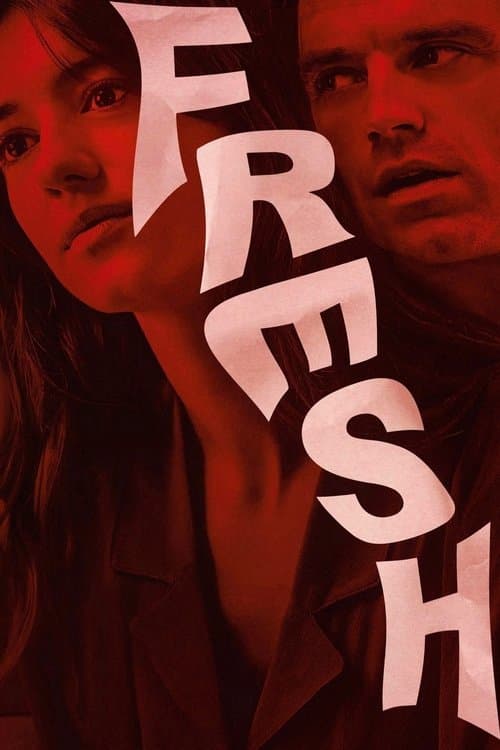
Frustrated by scrolling dating apps only to end up on lame, tedious dates, Noa takes a chance by giving her number to the awkwardly charming Steve after a produce-section meet-cute at the grocery store.
8 min read
Release Year: 2022
Rating: 6.975/10
Runtime: 114 minutes
By Luna Sterling
Fresh (2022): Ending Explained
In the chilling indie horror-thriller Fresh (2022), director Mimi Cave crafts a visceral descent into the underbelly of modern dating, where charm curdles into nightmare. Starring Daisy Edgar-Jones as Noa and Sebastian Stan as the enigmatic "Steve," the film pulses with an undercurrent of unease, blending psychological tension with raw, bodily horror. If you're searching for a Fresh ending explained—including the literal events, symbolic layers, and lingering ambiguities—this breakdown will unpack the film's climactic frenzy without spoiling the slow-burn buildup. We'll dissect how the finale ties into themes of predation, survival, and female resilience, all while evoking the film's sweaty, shadowed dread.
Quick Recap
Noa, a jaded millennial navigating the toxic swamp of dating apps in Portland, stumbles into what seems like a genuine connection with the awkward yet magnetic Steve during a mundane grocery store encounter. Their chemistry sparks quickly—flirty banter over produce leads to dates that feel refreshingly real, a stark contrast to the parade of crude suitors she's endured. But beneath the surface charm, Steve harbors a grotesque secret: he's not just a dentist with a lavish home, but a cannibalistic butcher who lures women to harvest their flesh for himself and a shadowy elite clientele. After drugging Noa and chaining her in his basement lair, Steve reveals his methodical madness—he plans to carve her up piece by piece, keeping her alive to ensure the meat stays "fresh."
As days blur into a haze of captivity, Noa grapples with the psychological torment, witnessing the broken spirits of fellow prisoners like the mutilated Penny and the deranged Melissa. She clings to survival instincts, feigning allure to manipulate her captor while her best friend Mollie, back in the outside world, pieces together clues. Mollie's investigation uncovers Steve's true identity as Brendan, a married family man with a complicit wife, Ann, whose prosthetic leg hints at her own entanglement in this macabre enterprise. Tension mounts as Noa endures "harvests" from her body, the pain a throbbing reminder of her vulnerability, until a calculated dinner scene—dripping with faux romance—ignites her rebellion. With Mollie now captured and the basement's damp chill closing in, Noa seizes a moment of intimacy to strike back, biting Brendan in a savage act of defiance that unleashes chaos.
What Happens in the Ending
The finale erupts in a symphony of desperation and violence, the air thick with the metallic tang of blood and the ragged breaths of pursuit. After the opulent yet nauseating dinner where Brendan serves human flesh—its warm, forbidden texture a grotesque parody of intimacy—Noa spots Mollie's phone among his trophy case of victims' belongings, a glittering pile of stolen lives that sends a chill snaking down her spine. Feigning seduction in a pink dress that clings like a second skin, Noa lures Brendan into vulnerability during an intimate moment, then savagely bites his penis, the wet crunch echoing her fury. Seizing the distraction, she frees Mollie and the severely wounded Penny from their cells, the basement's fetid humidity clinging to their skin as they navigate the creaking dumbwaiter to escape.
The trio bursts into the kitchen, a sterile space now slick with tension, where they clash with Brendan in a brutal melee—fists and improvised weapons flying amid the gleam of stainless steel counters. They flee into the enveloping darkness of the woods, branches whipping like accusations, the earthy dampness grounding their terror. Brendan, bandaged and enraged, gives chase with a handgun, his shots cracking through the night like thunderclaps. Meanwhile, Paul—Mollie's ally and the bartender from their first date—tracks her phone to the house but falters at the sound of gunfire, his headlights cutting through the fog before he peels away, leaving the women to their fate.
In the shadowed underbrush, the women turn the tables in a raw, primal confrontation. Noa wrests the gun from Brendan and fires, the recoil jolting through her as his body crumples, blood pooling like spilled ink on the forest floor. But the horror lingers: Ann, Brendan's steely wife, discovers his corpse and coolly orders a companion to stash it in the walk-in freezer, her voice a flat echo in the cold void. Emerging into the woods like a specter, Ann ambushes Noa, her hands clamping around her throat in a suffocating grip, the pressure building like a vice on fragile windpipe. Noa fights back, stabbing Ann in the neck with jagged car keys, the warm gush of blood a visceral release. As Ann rallies for a final, gurgling assault, Mollie intervenes, swinging a shovel with bone-crunching force to bludgeon her to death, the dull thuds reverberating through the trees.
Exhausted and bloodied, Noa and Mollie collapse in a clearing, the dawn's faint light filtering through leaves like a hesitant promise. Their respite shatters briefly with Noa's phone buzzing—a booty call text from a sleazy ex, its casual toxicity a sour aftertaste. The mid-credits scene seals the unease: in a stark white room, five of Brendan's elite clients sit at a table, forks poised over a platter of bleeding human meat, the crimson rivulets a silent testament to the cycle's persistence.
The Meaning Behind the Ending
At its core, the ending of Fresh is a blood-soaked exorcism of patriarchal predation, where the literal carnage symbolizes the emotional butchery of exploitative relationships. Brendan's death isn't just retribution; it's a metaphorical severing of the "fresh" facade men like him wield in dating culture—the charming veneer that masks consumption. The woods, with their tangled roots and oppressive gloom, represent the wild unknown of survival, a psychological thicket where Noa's trauma transmutes into agency. The booty call text, arriving like an unwelcome whisper in the quiet aftermath, underscores the film's thesis: toxicity isn't isolated to monsters like Brendan but permeates the everyday, a lingering stain that demands vigilance.
The mid-credits tableau amplifies this dread, the clients' impassive feast a metaphor for societal complicity—wealthy enablers who devour vulnerability without consequence. It's a visceral gut-punch, the meat's raw seep evoking the film's exploration of bodily autonomy violated, turning the personal horror of Noa's captivity into a broader indictment of systemic predation.
Character Arcs and Resolution
Noa's journey arcs from disillusioned passivity to ferocious empowerment, her final shot at Brendan a cathartic reclaiming of the body he sought to commodify. Chained in the basement's clammy confines, she evolves from victim to strategist, her psychological manipulation of Brendan—mirroring his own tactics—a twisted mirror that highlights her growth. By the end, bloodied but unbowed, Noa emerges scarred yet resilient, the text from her ex a test she implicitly rejects, signaling her readiness to navigate the world on her terms.
Mollie's arc complements this as the loyal anchor, her investigation born of fierce friendship transforming her from concerned outsider to active warrior. Bludgeoning Ann cements her role in their shared survival, resolving her arc in solidarity rather than isolation. Penny's fate, implied in her escape but fragile due to her amputations, adds a poignant layer—her freedom bittersweet, underscoring the irreversible toll of trauma. Brendan and Ann's deaths provide grim closure, their domestic facade shattered to reveal the rot beneath, but it's the women's bond that endures, a quiet triumph amid the carnage.
Alternate Interpretations
While the ending delivers clear-cut kills, its ambiguities simmer in the shadows, inviting multiple lenses. Is the escape truly liberating, or does the mid-credits scene suggest Noa and Mollie have merely disrupted a tentacle of a larger beast? Some might read the woods chase as a feverish hallucination born of Noa's trauma, the gunfire and stabbings blurring into psychological metaphor—her "killing" of Brendan as an internal slaying of trust in men. The booty call could be interpreted optimistically as proof of Noa's return to normalcy, a wry nod to moving forward, or pessimistically as a harbinger that the cycle of bad dates awaits, trapping her in eternal wariness. Paul's retreat adds another layer: does it symbolize male bystanderism, or a realistic hesitation that spares him from the fray, questioning if outsiders can ever fully intervene?
Themes and Symbolism
Fresh's ending reinforces core themes of female solidarity against gendered violence, subverting horror tropes by centering women's cunning over screams. Cannibalism symbolizes the devouring nature of toxic masculinity—men who "consume" women's time, bodies, and autonomy under guises of romance. The pink dress Noa wears to dinner evokes fragile femininity weaponized, its fabric a deceptive allure that facilitates her bite, flipping the script on objectification.
Symbolism abounds in the sensory horrors: the basement's musty chains as emotional imprisonment, the woods' enveloping dark as reclaimed wilderness, and the freezer's icy maw as preserved evil. The film subverts expectations of the "final girl" by making survival communal—Mollie's shovel swing a shared catharsis—while the clients' scene critiques class-enabled depravity, their white room a sterile void mirroring detached privilege.
Final Thoughts
The ending of Fresh works masterfully because it doesn't flinch from the messiness of trauma, blending visceral gore with psychological depth to leave viewers unsettled yet invigorated. In a genre often mired in jump scares, Cave's finale lingers like a bruise—empowering in its female-led vengeance but haunting in its implications of unending cycles. For anyone dissecting modern dating's dangers, this close is a sharp, unforgettable reminder: beneath the charm, survival demands teeth. If Fresh has you reeling, it's proof of its potency—a film that tastes like forbidden fruit, equal parts revolting and revelatory.