Blue Jay (2016): Ending Explained
Blue Jay ends not with reconciliation but with two people finally crying over a decades-old choice they can never undo
8 min read
Release Year: 2016
Rating: 7/10
Runtime: 80 minutes
By Ellis Carver
The short answer
The short answer
Blue Jay ends with an act of shared grief, not a reunion. Amanda doesn't get back together with Jim in that parking lot. She cries. For the first time in five years, after telling him earlier that her antidepressants had dried her out, she cries, and then the two of them laugh about it and sigh at each other and the screen goes black. What the film resolves is not the relationship. It resolves Amanda's numbness. Jim asked her to read the letter he never sent, the one where he said he wanted to keep the baby she aborted in high school, and that letter does what nothing else in the last twenty years could do. It makes her feel something. The film's final gesture is a release valve, not a reconciliation.
What the last scene actually shows
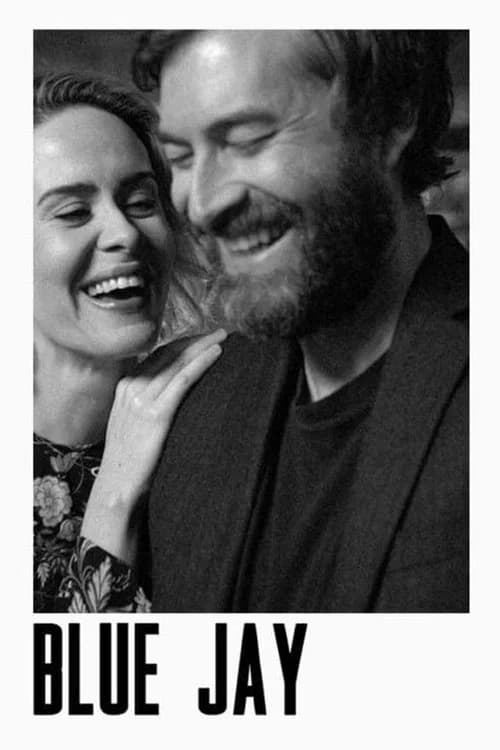
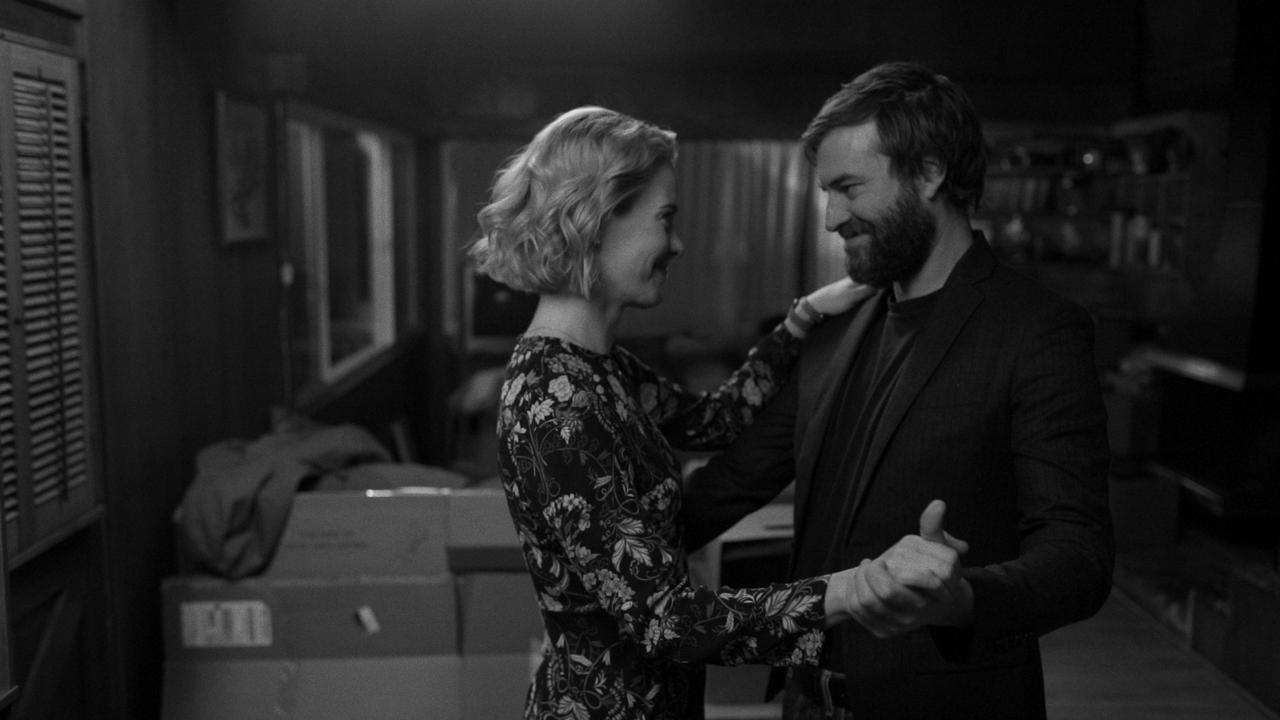
Amanda has spent the night in Jim's mother's house. They recreated old tape recordings of themselves roleplaying a married couple's 20th anniversary, they kissed, and then she stopped when he said he loved her, which opened the door onto the abortion and the breakup. The night ended with them lashing out at each other, Jim crying on the floor. That's the worst of it, and it happens before dawn.
The next morning Jim walks Amanda to her car. She explains her decision, the one she made in high school, to have the abortion. He asks her to read the letter he never sent her, the one she found the night before among his mother's things, the one he wrote saying he wanted to keep the baby. She reads it. Standing there in the parking lot she starts to cry, for the first time in five years, and then the two of them laugh about it together. They sigh at one another. Fade to black.
Where the film switches tracks
The setup for the ending everyone expects is the tape recorder. Amanda finds the old cassettes of the two of them roleplaying their middle-aged lives, they play them and laugh at how uncool they were, and then Jim proposes they recreate the tape, pretending to be a married couple celebrating their 20th anniversary. Everything about that scene points toward a romantic reunion. The recreated tape is the road-not-taken fantasy made literal. You can feel the film pulling toward the version where they get back together, or at least where they admit they still love each other and leave the door open.
And then it stops paying that off. The moment is Amanda stopping the kiss when Jim says he loves her. That's the switch. The fantasy of the 20th anniversary tape collides with the actual reason they never got to have one, and the film drops the romance plot on the floor.
manages to capture the spirit of 1990s indie filmmaking at its finest, and offers some heartbreaking surprises along the way.
What gets revealed, and what doesn't
What the ending establishes: Amanda had an abortion in high school, and it ended the relationship. Jim wanted to keep the baby, and he never told her. He wrote a letter saying so, and he never sent it. Amanda has been on antidepressants and hasn't cried in years, which she told him the night before. Reading the letter breaks that. She cries.
What the ending deliberately leaves open: whether Jim and Amanda will ever see each other again. The film doesn't say. There's no exchanged number, no promise to call, no plan to meet. Amanda is married. She's a stepmother. That hasn't changed. Jim is still in town to renovate and sell his mother's house. That hasn't changed either. What the morning gives them is a single moment of honesty they never got in high school, and the film declines to tell you whether that moment is enough to change anything.
The letter itself sits in the middle of that. It carries the confession Jim couldn't deliver at seventeen, and it lands only after Amanda has already made her decision and lived twenty years with it. The film refuses to pretend that reading it late makes it count the same as reading it on time.
The thing it retroactively changes
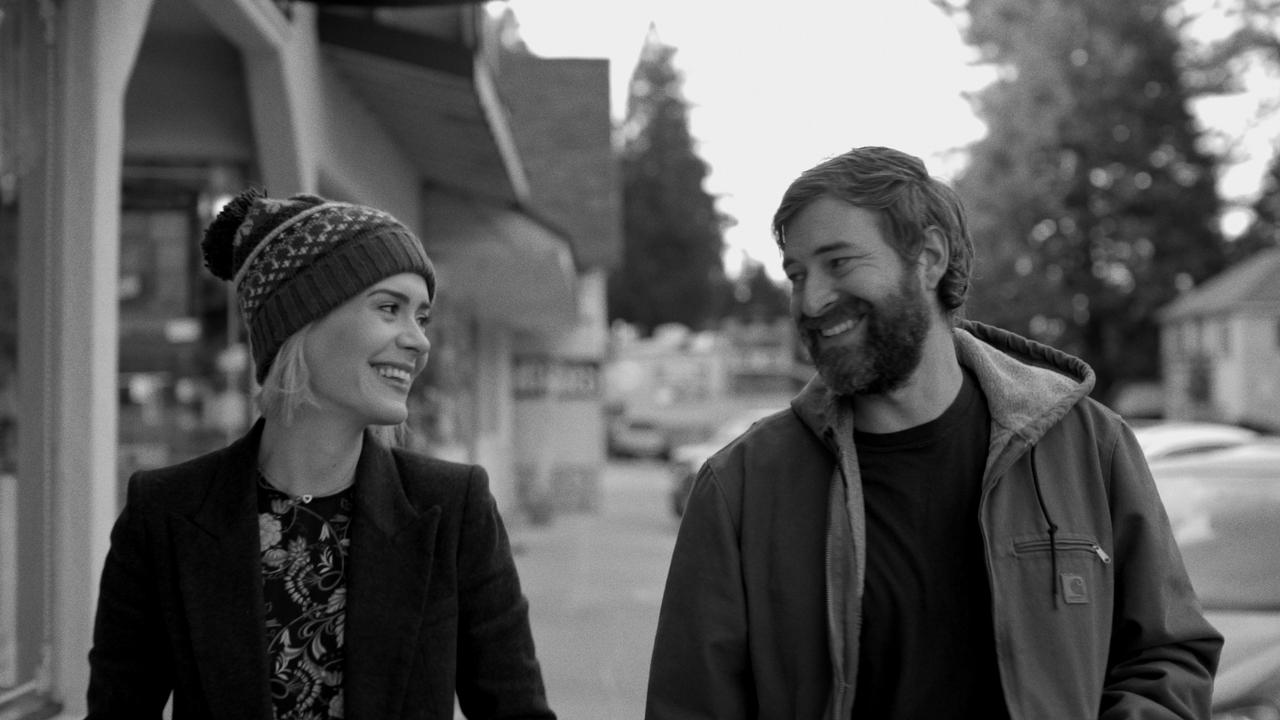
The lake scene plays differently once you know. Jim sits with Amanda by the water and hears how impressive her life sounds, the marriage, the stepkids, the whole arrangement, and he ends up crying. On first viewing you read that as a man mourning his own smaller life. On second viewing you read it as a man watching the woman he wanted to raise a child with narrate a life that doesn't include him, and the tears aren't about envy. They're about the version of the future he buried with the letter. He's not crying because her life is better. He's crying because it isn't his.
The tape recordings change too. When Amanda and Jim play the old cassettes and laugh at how uncool they were, the joke is that two teenagers imagined a 20th anniversary they'd never reach. When Jim proposes recreating the tape, that's not a cute callback. He's asking her to spend an hour pretending the thing that already died isn't dead. The reenactment was always going to collapse, and the film lets you enjoy it first so the collapse actually stings.
Amanda stops the kiss
When Jim says he loves her, Amanda pulls away. The moment reads as rejection, but the fight that follows reframes it as panic. She isn't refusing him. She's refusing to walk back into a history she already ended once.
The fight and Jim on the floor
They lash out at each other. The argument isn't about whether they still love each other. It's about the abortion, the breakup, the twenty years neither of them got to have. Jim ends up crying on the floor, and it's the second time in one night he's broken down in front of her.
The parking lot the next morning
Amanda explains her decision. Jim asks her to read the letter. She cries for the first time in five years, then laughs, then sighs at him. The screen fades to black. What's resolved is her numbness. What isn't resolved is everything else.
If you were expecting the other ending
The case for reading the fade-to-black as a romantic reconciliation goes like this. They spent a whole night remembering why they were in love. They kissed. He said he loved her. She didn't say she doesn't love him, she just panicked. And in the morning she cried, which is exactly what she said she couldn't do anymore, which means he reached her in a way no one else in her life has. Read that way, the sigh at the end is the sigh of two people who know they still belong together and are about to figure it out.
I don't buy it, and here's why. The film gives you no mechanics for it. Amanda leaves in her car. She has a husband and two stepchildren waiting at home. Nothing in the parking lot scene reverses that. If the film wanted you to read reconciliation, it wouldn't end on her tears. It would end on her staying, or on a look that says I'll call you, or on something as small as her saying his name one more time before she drives off. Instead it ends on a physical, cathartic release that belongs to Amanda alone. Jim is present for it, but he's a witness, not a partner. The tears are hers. The film has been building toward this specific moment since she confessed she hadn't cried in years, and that's what it pays off. Whatever Jim and Amanda are to each other going forward, the film isn't interested in telling you, because the feeling in her chest was the point.
features one of our best actresses in the kind of role she doesn't get to play that often.
The verdict
The verdict
Blue Jay is 80 minutes, shot in black and white over seven days, and it spends most of that time letting two people remember. The ending is where the remembering stops and the reckoning begins. Amanda and Jim do not get back together. They get to cry together, once, about the thing they never got to cry about, and then she drives off and the film fades. What that buys them isn't a second chance. It's the goodbye they never managed at seventeen. Twenty years too late, in a parking lot, one of them finally tells the truth and the other one finally feels it, and that's all the movie is willing to give them. Two people standing in the daylight, sighing at each other, holding a letter that should've been read a long time ago.