La La Land (2016): Ending Explained
"Here's to the fools who dream."
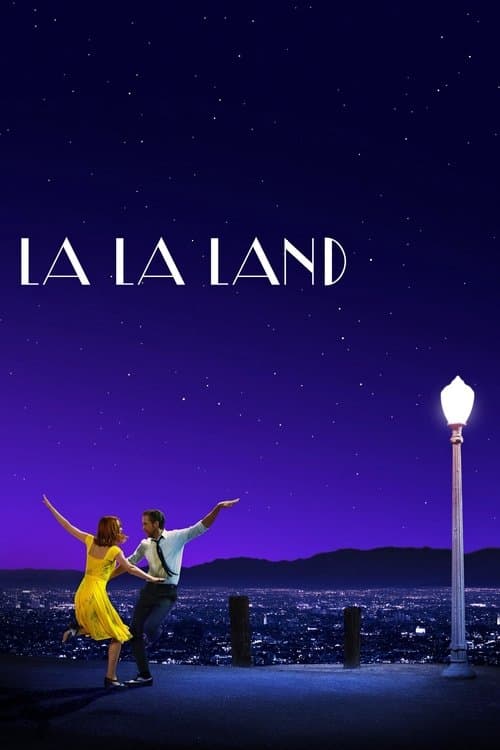
Mia, an aspiring actress, serves lattes to movie stars in between auditions and Sebastian, a jazz musician, scrapes by playing cocktail party gigs in dingy bars, but as success mounts they are faced with decisions that begin to fray the fragile fabric of their love affair, and the dreams they worked so hard to maintain in each other threaten to rip them apart.
8 min read
Release Year: 2016
Rating: 7.9/10
Runtime: 129 minutes
By Ellis Carver
La La Land (2016): Ending Explained
As a film critic who's spent years dissecting the fragile interplay between ambition and intimacy on screen, Damien Chazelle's La La Land remains one of those rare works that lingers like a half-remembered melody. This vibrant yet melancholic musical doesn't just entertain; it probes the quiet ache of choices made in pursuit of dreams. In this ending explained, we'll unpack the film's poignant finale, exploring its literal events, symbolic layers, and the moral ambiguities that make it so profoundly human. If you've ever wondered what that final smile between Mia and Sebastian truly signifies, read on—we'll illuminate the bittersweet truths beneath the glamour.
Quick Recap
La La Land follows Mia Dolan, an aspiring actress slinging coffees on a Hollywood lot while chasing auditions that often end in rejection, and Sebastian Wilder, a dedicated jazz pianist grinding through uninspiring gigs in the hopes of one day opening his own club. Their paths cross amid the sun-drenched chaos of Los Angeles, sparked by a traffic jam and ignited during a spontaneous jazz set that costs Sebastian his job. What begins as playful banter blossoms into a deep romance, fueled by shared dreams and late-night dances under the stars. Songs like "City of Stars" and "A Lovely Night" capture their growing chemistry, as they navigate the city's relentless grind together.
As their relationship deepens, so do the tensions. Mia pens a one-woman play inspired by her late aunt, pouring her soul into it, while Sebastian reluctantly joins a successful fusion jazz band to make ends meet—a compromise that erodes his artistic purity and strains their bond. Arguments erupt over abandoned dreams and shifting priorities; Sebastian misses Mia's disastrous play opening, leading to a heartbreaking breakup. In a final act of support, Sebastian drives to Mia's hometown to urge her toward a pivotal audition, where she delivers a raw, emotional performance about dreamers like her aunt. Though they affirm their enduring love, uncertainty hangs over their future as Mia steps toward stardom.
What Happens in the Ending
The film's finale leaps forward five years, a narrative jump that underscores the passage of time and the weight of choices. We find Mia now a celebrated actress, her face gracing billboards and her life seemingly complete: she's married to another man, and they share a young daughter. One evening, the couple wanders into a cozy jazz bar in Los Angeles, its sign reading "Seb's"—a name that stops Mia in her tracks. It's the club Sebastian once dreamed of opening, a realization dawning on her as she scans the room.
Inside, Sebastian, now the owner and performer, spots Mia in the crowd. Without a word, he seats her at the piano and launches into "Mia and Sebastian's Theme," the tender motif that defined their early romance. As the notes fill the air, the scene dissolves into an extended fantasy sequence: a lush, Technicolor epilogue where we see what their lives might have been if they'd chosen love over ambition. In this alternate reality, Mia and Sebastian build a life together—revisiting their first dance at the Griffith Observatory, performing duets on stage, even raising a family amid bursts of song and dance. It's a whirlwind of romantic vignettes, evoking the film's earlier exuberance but laced with an undercurrent of longing.
The reverie shatters as the music fades. Back in reality, Mia and Sebastian lock eyes across the room. No words are exchanged; instead, they share a lingering, wistful smile—acknowledgment without regret, connection without reunion. Mia rises, takes her husband's hand, and leaves with her family, the door closing softly behind her. The credits roll with a "Finale Medley," replaying key songs and reinforcing the emotional echo of what was lost.
The Meaning Behind the Ending
At its core, the ending of La La Land is a meditation on sacrifice and the inexorable trade-offs of pursuing one's path. The literal reunion at Seb's isn't about rekindling romance but confronting the roads not taken. That shared smile? It's a quiet testament to enduring affection, a nod to the "what if" that haunts every dreamer. The epilogue fantasy sequence serves as the film's emotional centerpiece—a metaphorical escape hatch where ambition and love coexist in harmonious illusion. Symbolically, it contrasts the cold reality of separate successes with the warm glow of an imagined unity, using the film's signature musical numbers to highlight how dreams can both unite and divide.
This finale doesn't offer easy closure; it revels in moral complexity. Mia and Sebastian have achieved what they chased—Mia her stardom, Sebastian his club—but at the cost of each other. The jazz bar itself symbolizes Sebastian's quiet victory: a space for pure expression, free from the compromises of his band's pop fusion. Yet, Mia's presence there evokes a subtle societal commentary on Hollywood's glamour, where personal fulfillment often masks deeper solitude. The ending whispers a human truth: success is intoxicating, but it extracts a toll on the heart, leaving us to ponder if the dreams we chase are worth the fragments of connection we leave behind.
Character Arcs and Resolution
Mia's arc traces a journey from wide-eyed aspirant to fulfilled artist, her growth evident in the confidence of her audition song, "Audition (The Fools Who Dream)," which honors her aunt's legacy while asserting her own voice. By the end, her marriage and motherhood represent a grounded resolution—not a consolation prize, but a life built on the resilience she honed through rejection. It's a psychological evolution from doubt to self-assurance, though tinged with the contemplative what-if of spotting Seb's.
Sebastian, meanwhile, embodies the purist's struggle, his arc a slow burn from frustrated sideman to club owner. Joining the band was a pragmatic detour, born of overhearing Mia's worries about his stability, revealing his deep-seated need to provide even at personal cost. Opening Seb's resolves this tension, affirming his jazz devotion, but the epilogue fantasy exposes the lingering psychology of compromise. Their resolutions are intertwined yet independent: both emerge stronger, their parting a mature acceptance that love, like art, requires space to breathe. In this, the ending humanizes them—not as tragic figures, but as flawed individuals navigating ambition's double-edged sword.
Alternate Interpretations
While the ending feels definitive in its bittersweet realism, its dreamlike epilogue invites ambiguity, sparking debate among viewers. One interpretation sees it as pure fantasy, a shared internal reverie born from Sebastian's piano improv and Mia's gaze—a psychological projection of unresolved longing, emphasizing emotional closure without physical reunion. It reinforces the theme that dreams are malleable, allowing the characters (and us) a momentary respite from reality's constraints.
Alternatively, some might view the epilogue as a subtle glimpse of parallel possibilities, not just imagination but a metaphysical "what if" woven into the film's magical realism. Does Mia's smile suggest subtle regret, hinting she wonders about that alternate life? Or is it pure affirmation, celebrating their individual paths? The lack of dialogue amplifies this openness: it could signal quiet contentment in their choices or a veiled sorrow for love deferred. Chazelle leaves it unresolved, mirroring life's own ambiguities and inviting us to project our own emotional truths onto the silence.
Themes and Symbolism
The ending crystallizes La La Land's central themes: the intoxicating pursuit of dreams versus the fragility of human connection, and how ambition can both liberate and isolate. Los Angeles itself symbolizes this duality—a city of stars that promises everything yet demands sacrifice, as seen in the traffic jam opener and the Griffith Observatory dance, motifs echoed in the epilogue's starry escapism. Jazz, Sebastian's true north, represents authentic passion amid commercial pressures, subverting the glossy musical genre by grounding it in melancholy.
Symbolically, the "Seb's" sign is a beacon of quiet triumph, its simplicity contrasting Mia's fame's flashiness. The epilogue's vibrant choreography and colors—reprising yellow dresses and blue suits—evoke emotional memory, while the final smile subverts romantic tropes, opting for contemplative restraint over grand gestures. Broader societal commentary emerges in how success refracts personal costs: in a world that glorifies achievement, the film questions whether fulfillment is ever truly solitary, urging us to weigh dreams against the relational webs they unravel.
Final Thoughts
La La Land's ending works masterfully because it resists the tidy resolutions of traditional musicals, embracing instead the contemplative messiness of real life. By letting Mia and Sebastian part with grace rather than grandeur, Chazelle crafts a finale that's as analytically rich as it is emotionally resonant— a reminder that the deepest stories aren't about winning everything, but about the quiet wisdom gained in letting go. It's not heartbreaking so much as profoundly honest, leaving audiences with a smile that's equal parts joy and ache. If the film teaches us anything, it's that dreams, like love, are fools' endeavors—worth every note, even the ones that fade away.