Azrael (2024): Ending Explained
"Many years after the rapture… Among the survivors, some are driven to renounce their sin of Speech."
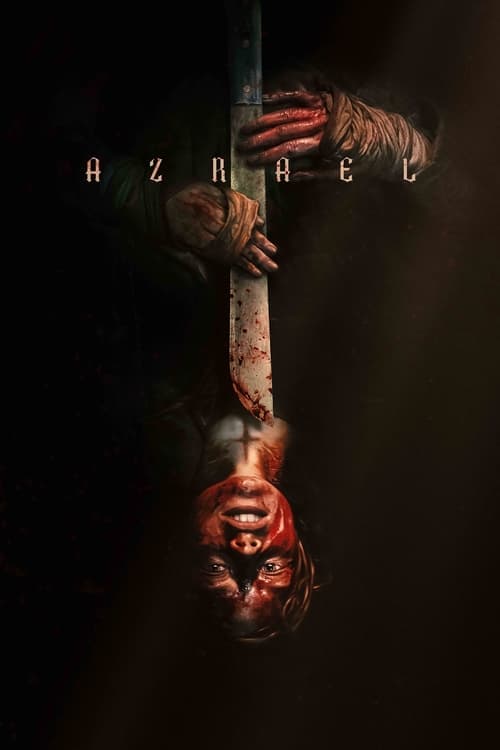
In a world where no one speaks, a devout female hunts down a young woman who has escaped her imprisonment. Recaptured by its ruthless leaders, Azrael is due to be sacrificed to pacify an ancient evil deep within the surrounding wilderness.
8 min read
Release Year: 2024
Rating: 5.95/10
Runtime: 86 minutes
By Luna Sterling
Azrael (2024): Ending Explained
In the shadowed fringes of a post-apocalyptic world, Azrael (2024) weaves a tale of silent terror and unyielding survival. Directed with a taut, atmospheric grip, the film plunges viewers into a landscape where words are forbidden sins, and the air hums with unspoken dread. As a devout outcast turned avenger, Azrael navigates a cult's ironclad grip and the lurking horrors of the Burned Ones—demonic entities that crave human essence like shadows hungering for light. This ending explained dives deep into the film's visceral climax, unpacking the blood-soaked revelations that leave an indelible chill.
Quick Recap
In a desolate Earth scarred by the Rapture, humanity clings to survival amid the Burned Ones, grotesque humanoid demons that stalk the flesh and blood of the living. A fanatical cult, convinced that speech invites divine wrath, has silenced itself through ritualistic surgery, severing vocal cords to commune solely with the wind's whispers. Azrael, a young woman raised in this mute oppression, shares a forbidden love with Kenan. Their defiance leads to exile, capture, and a brutal separation by the cult's enforcers, led by the steely Josephine and the enigmatic spiritual guide Miriam.
Doomed for sacrifice to appease the ancient evils in the wilderness, Azrael fights her way free, her hands slick with the blood of a henchman. She flees through fog-shrouded woods, infiltrating the cult's fortified encampment where Miriam interprets the wind's murmurs as God's will from a crumbling church. Narrow escapes and chance encounters—a truck driver's fatal aid, cut short by gunfire—propel Azrael deeper into the fray. She discovers Kenan crucified against a tree, his life snuffed by the very monsters the cult fears. Caught in a hunter's snare, dangling in helpless inversion as the Burned Ones descend with guttural snarls, Azrael's rage ignites. She survives, haunted and hollowed, clawing back toward vengeance.
The tension coils tighter as Azrael returns to the encampment, her body a map of bruises and blood. A buried coffin ritual, meant to feed her to a Burned One, backfires when the creature recoils from the scent of Miriam's blood on her skin—a fleeting, inexplicable mercy amid the rot-scented earth. Emerging like a specter from the grave, Azrael sets the night ablaze, her silent fury a storm against the cult's crumbling piety.
What Happens in the Ending
The finale erupts in a symphony of crackling flames and muffled gasps, the encampment's wooden barricades licking upward in orange hunger. Azrael, her face smeared with soot and gore, moves like a wraith through the chaos, dispatching cultists with methodical brutality—throats slit in the flickering glow, bodies crumpling into the muddied earth that reeks of smoke and iron tang. The air thickens with the acrid bite of burning thatch, shadows dancing wildly as her blade carves a path to the heart of the madness: the ramshackle church where Miriam holds court.
Inside, the dim lantern light casts elongated specters on the walls as Azrael confronts Miriam, the pregnant leader whose belly swells with what the cult deems salvation. No words pass—only the ragged rhythm of breaths and the distant roar of fire. Miriam lunges, her desperation a feral scratch against Azrael's skin, but Azrael overpowers her, sinking teeth into the soft flesh of Miriam's neck. Blood wells hot and metallic, spraying in arcs that paint the altar in crimson. Miriam collapses, her body convulsing as labor rips through her, the church filling with the wet, primal sounds of birth amid the encroaching howls from outside.
Josephine, battered and unyielding, bursts in with a final surge of zeal, her knife flashing. But Azrael seizes a cleaver from the shadows, driving it deep into Josephine's throat with a sickening thud. Josephine gurgles, her eyes wide in the dimness, before slumping lifeless. Miriam, drenched in sweat and her own blood, delivers the child amid agonized heaves. The newborn's cries pierce the haze—shrill, unnatural wails that twist the air. Miriam's face contorts in revulsion as she beholds it: not a human infant, but a goat-like abomination, its form evoking the Antichrist with twisted horns and cloven menace. Horror overtakes her; with trembling hands, she draws a blade across her own throat, blood bubbling in a final, silent prayer.
Azrael, unbowed, approaches the mewling creature. She lifts it into her arms, its leathery skin warm against her chest. As the Burned Ones swarm into the church— their charred flesh steaming, eyes glowing with feral hunger—they halt, filling the space with an eerie, collective wail that vibrates through the bones. Azrael stands amid the ruin, a faint, enigmatic smile curling her lips, cradling the beastly offspring as flames devour the world around them.
The Meaning Behind the Ending
This climax pulses with apocalyptic dread, where silence shatters into visceral revelation. Azrael's smile, etched against the inferno's glow, symbolizes a profound inversion: from sacrificial lamb to dark messiah. The Antichrist-like baby isn't mere horror—it's a metaphor for the cult's poisoned faith, birthed from their mute dogma into a world already infested with demons. Miriam's suicide underscores the theme of false prophecy; her wind-whispered visions culminate in self-destruction, exposing the cult's rituals as futile barriers against inevitable corruption. The Burned Ones' wail, a cacophony in a film of enforced quiet, represents the ancient evil's triumph, drawn not by blood but by the unholy union Azrael now embodies. Psychologically, it's a descent into the abyss—Azrael's embrace of the child mirrors her psychological fracture, trading victimhood for a throne of shadows, where survival demands becoming the monster.
Character Arcs and Resolution
Azrael's journey arcs from devout silence to roaring defiance, her arc culminating in a chilling empowerment. Once a prisoner of the cult's blade and belief, she emerges scarred but sovereign, her smile a quiet assertion of agency in a world that sought to erase her voice. Holding the demonic infant, she resolves her isolation—not through reunion with Kenan, whose death hollows her further, but by claiming the cult's "salvation" as her own, subverting their sacrifice into personal apocalypse.
Miriam and Josephine, pillars of tyrannical piety, meet ends that expose their fragility. Miriam's labor and suicide mark the collapse of her interpretive delusion; her recoil from the child reveals the terror of her own creation, a psychological unraveling from seer to sinner. Josephine's mortal wound seals her as the unyielding enforcer, her zeal extinguished in a pool of her own blood, underscoring the cult's leaders as hollow vessels for fear. Collectively, their resolutions dismantle the cult's structure, leaving Azrael as the lone survivor in a wilderness of wailing horrors—her arc a testament to resilience forged in trauma's fire.
Alternate Interpretations
The ending's ambiguity lingers like smoke in the lungs, inviting multiple lenses. Azrael's smile could signal madness, a psychological break where vengeance consumes her soul, turning her into the very evil she fought—embracing the Antichrist as a twisted maternal instinct born of loss. Alternatively, it might represent liberation: in a world of demonic plagues, she seizes power from the cult's ruins, her hold on the child a defiant reclamation of agency, warding off the Burned Ones through an unspoken pact. Some might see the baby's reveal as Azrael's hallucination, a manifestation of her trauma amid the flames, blurring reality and delusion in the film's tense, sensory haze. Or, more eschatologically, it posits Azrael as an unwitting harbinger, her survival ensuring the prophecy's fulfillment in ways the cult never foresaw—smile as ironic prophecy, not defeat.
Themes and Symbolism
Azrael reinforces themes of corrupted faith and the cost of silence, subverting biblical echoes—the Rapture's aftermath, sacrificial rites—to critique blind devotion. The goat-like child symbolizes inverted innocence, a perversion of the cult's mute purity into demonic legacy, evoking Antichrist lore as a mirror to humanity's self-inflicted damnation. Fire, visceral and consuming, symbolizes both destruction and rebirth, its crackle piercing the film's oppressive quiet to underscore speech's forbidden power. The Burned Ones, with their flesh-scorched allure, embody primal urges repressed by the cult, their wail a symbolic unleashing of the wilderness's chaos. Psychologically, the ending probes isolation's toll—Azrael's arc subverts victimhood, revealing survival as a descent into moral ambiguity, where tension builds not from external threats but the internal shadows they awaken.
Final Thoughts
Azrael's ending lands like a gut punch in the dim, blood-warm church, masterful in its blend of visceral horror and psychological depth. It works brilliantly by leaving viewers adrift in unease, the smile's ambiguity ensuring the film's mood—tense, immersive, eternally shadowed—echoes long after the credits. For general audiences, it's a gripping reminder that in silence's grip, the true monsters lurk within, making this a standout in post-apocalyptic cinema that rewards rewatches with its layered dread. If you're searching for Azrael ending explained, this fiery close cements the film's power: not resolution, but a haunting new beginning in the wilds.