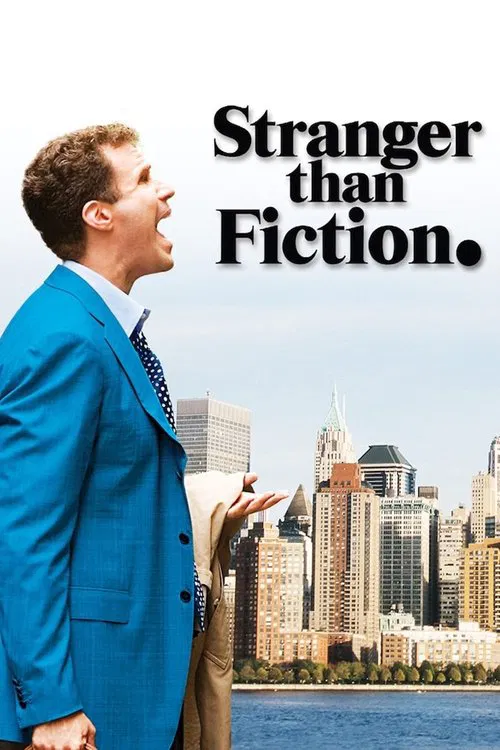
Stranger Than Fiction (2006): Ending Explained
Harold Crick accepts the death Karen Eiffel wrote for him, runs into the street to save a boy, is hit by the bus, and survives on watch shrapnel.
7 min read
Release Year: 2006
Rating: 7.3/10
Runtime: 113 minutes
By Ending Explained Team
The short answer
The short answer
A bus hits Harold Crick and he survives. He reads the ending Karen Eiffel wrote for him, tells her it's beautiful, and accepts it. The next morning he reaches the bus stop early, runs into the street to save a boy who falls off his bicycle, and gets hit by the bus. Karen can't type the sentence that kills him. She rewrites it. Harold wakes up in a hospital, badly hurt but alive, because shrapnel from his shattered wristwatch blocked his ulnar artery and kept him from bleeding out. Jules Hilbert thinks the revision weakens the book. Karen tells him the book was about a man who didn't know he was going to die, and that a man who knows and accepts it deserves to live. Her narration closes the film over a montage of Harold's life, ending on the ruined wristwatch.
The last twenty minutes
Harold reads his own death
Harold reads Karen's outline and returns it to her. He says the death she wrote is beautiful, and that he accepts it. I'd read this as the moment Harold chooses his deadline.
Errands, then Ana
He runs his errands and spends his last night with Ana Pascal.
The morning, narrated
The next morning Harold goes through his routine while Karen writes and narrates. She reveals that when he reset his wristwatch, the bystander's time was three minutes fast. He arrives at the bus stop early. A boy on a bicycle falls in front of the bus. Harold runs into the street to save him and is hit.
Karen stops typing
Karen, unable to live with the idea that she narrated real people to their deaths, cannot finish the sentence that declares Harold dead. She meets Jules and offers him a revised ending.
The watch pays it back
Harold wakes in a hospital, heavily injured, and learns that shrapnel from his destroyed wristwatch blocked his ulnar artery and saved him from bleeding to death.
The argument over the ending
Jules reads the revision and says it weakens the book. Karen answers that the book was about a man who didn't know he was going to die, but Harold knew and accepted his fate, and that makes him the kind of person who deserves to live. Her narration closes the film over a montage of Harold's newly invigorated life, ending on the ruined wristwatch.

The ledger
What he walks away with
Harold Crick gets his life back, and not the same one. He's heavily injured but alive, and the film closes on a montage of him living with more appetite than the man who lived by a strictly scheduled routine ever did. He also gets something rarer, and you can read his survival as evidence his life was worth saving.
What it cost him
Harold Crick pays with the version of himself that never had to choose. He read Karen's outline and accepted the death in it before he survived it. He also spends his last night with Ana Pascal.
Karen Eiffel gets a finished book. She had already begun writing again before they met. She can't bring herself to finish the sentence declaring him dead, and takes Jules a revised ending instead. What it costs her is her masterpiece. Jules Hilbert, her admirer, tells her the revised ending weakens the book, and he isn't wrong on the page. She trades the best thing she ever wrote for the life of a man she'd never met until he called her on the phone.
Jules Hilbert gets to read Karen Eiffel's outline, which he calls her masterpiece. He'd insist the death was integral, and I'd say the ending half-proves him right. What he pays is the ending he wanted. He consoles Harold that this death will hold a deeper meaning. He has to sit with the fact that the better ending for Harold is the worse ending for the art, and he says so out loud.
The irony
Karen Eiffel spends the whole film unable to kill Harold Crick, and that's the joke the movie plays on her. She has writer's block because she can't figure out how to kill a man she's been narrating. When she finally finds the method, it works, and it works so well that it stops being fiction. The bus, the boy, the three fast minutes: it all lands. She gets exactly what she wanted, a death worth writing, and the moment she has it she can't use it.
That's the irony. The thing she wanted most was the thing she couldn't keep once she had it. And Harold, who wanted nothing more than to know whether his life was a comedy or a tragedy, gets the answer in the form of a choice he makes himself. He isn't told he's in a comedy. He decides he is. The genre question Jules spent the film trying to settle gets settled by Harold walking into traffic for a boy who falls in front of the bus, and by Karen never bringing herself to finish the sentence that declares him dead.
"Each of these characters ends up doing little things to save one another. There's an underlying theme that the things we take most for granted are often the ones that make life worth living and actually keep us alive."
Did anyone get a warning
The wristwatch. It's the earliest hint and it's also the mechanism. Harold's watch stops, he resets it using a bystander's time, and the voice tells him that this small act will eventually result in his death. That's the warning, and it's buried inside the thing that saves him. The bystander's clock is three minutes fast, which puts Harold at the bus stop early enough to see the boy fall. He runs into the street. He gets hit. Then the watch, destroyed in the collision, sends a piece of itself into his ulnar artery and stops the bleeding.
So the film told you the answer at the start and let you forget it. The object that doomed him was always going to be the object that saved him, because the film's whole argument is that the small, unglamorous, taken-for-granted stuff is what keeps people alive. Harold's watch was a tool for controlling time. It ends up being the thing that buys him more of it.
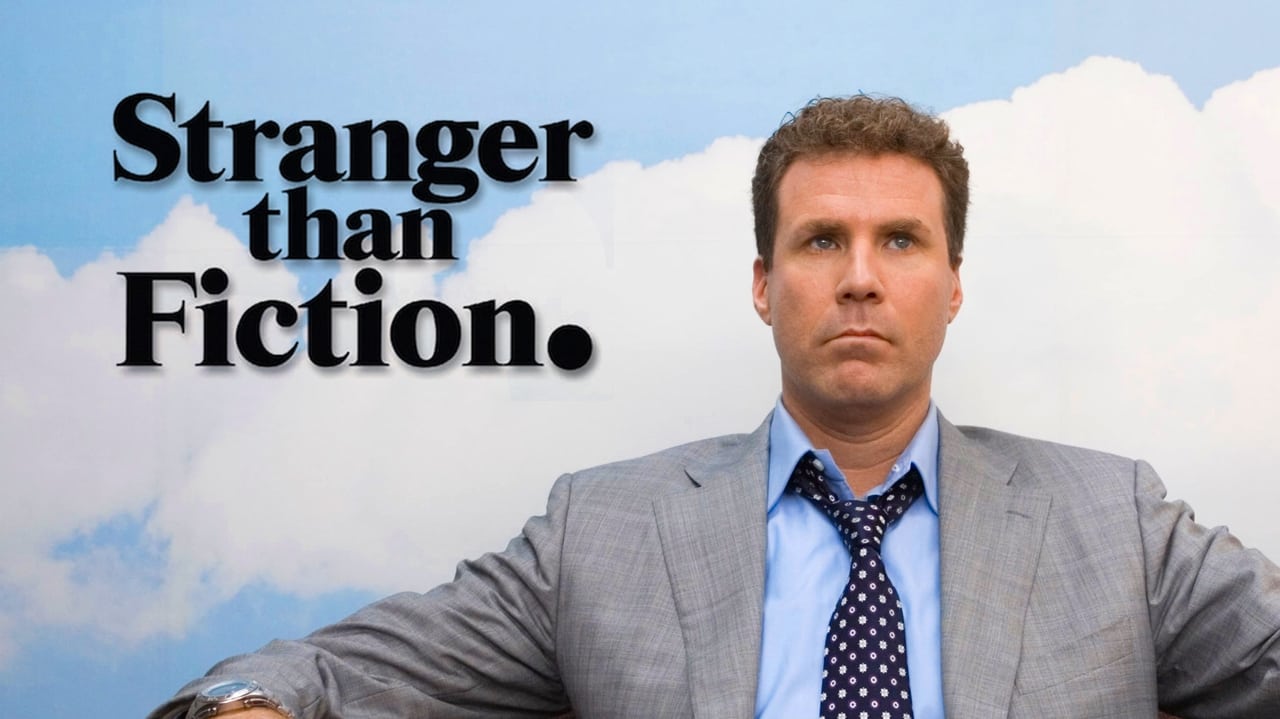
The verdict
The verdict
Karen is right, and Jules is right, and the film knows both things are true. Jules is right that the revised ending weakens the book. A man who dies for a child after accepting his death is a cleaner story than a man who gets lucky because of watch shrapnel. Karen is right that the book was about a man who didn't know he was going to die, and that a man who knows and accepts it deserves to live. Those two claims don't cancel each other. They sit next to each other, and the film picks the second one without pretending the first one is false.
That's what makes the ending hold up. It doesn't argue that Harold earned his survival through heroism. He earned it through acceptance, which is a stranger and harder thing. He read the death Karen wrote for him and called it beautiful, and then he ran into the street to save the boy anyway. Karen finishes her book and gives up the death she finally knew how to write. Harold gets the life he didn't know he wanted and pays for it with the certainty that he was going to lose it. Nobody in this movie gets out clean, and the final image is the ruined wristwatch that saved his life.