Roman J. Israel, Esq. (2017): Ending Explained
Roman's ending trades a legal-system redemption for a bullet: he confesses, returns the reward, and is killed before he can turn himself in
7 min read
Release Year: 2017
Rating: 6.3/10
Runtime: 122 minutes
By Ellis Carver
The short answer
The short answer
Roman Israel confesses to a crime and is killed before the law can process him. That's the bill. He returns the $100,000, writes the apology, tells George Pierce he's walking to the police station, and gets shot by one of Carter Johnson's men in the street. The film's position is that the price is not fair and that fairness was never the point. Roman spends 122 minutes learning how the system actually works, and the ending settles it: a man who tries to pay his debt honestly doesn't get to finish paying it.
The last twenty minutes
The client in the cell
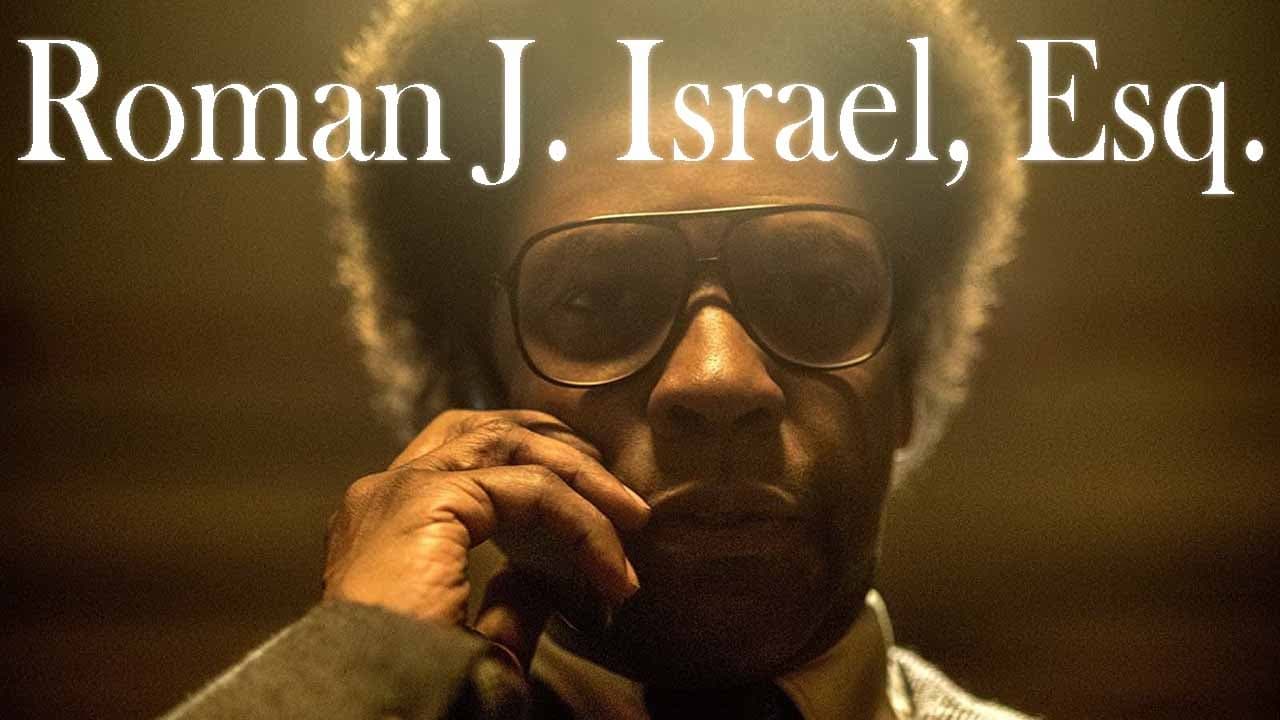
Pierce brings Roman to meet a new murder client. The man turns out to be Carter "CJ" Johnson, the shooter whose location Roman sold for the reward after Derrell Ellerbee was killed. Johnson sits across from Roman and names what he did. This is the moment the film has been walking toward since the plea call: the crime Roman thought he'd hidden in an anonymous tip has a face, and the face has Roman's number.
The threat
Johnson accuses Roman of divulging privileged communications. He tells him he'll go to jail or he'll die. Roman goes to pieces. He gets hang-up calls at work, doesn't know who's on the other end, and starts thinking about leaving town. This is the first cost: Roman can't work, can't sleep, can't stay in the office without flinching at the phone.
The colleague
Someone at Pierce's firm tells Roman he knows about the reward. Not the police. A colleague. The exposure isn't legal pressure, it's social pressure inside the building where Roman was supposed to be rebuilding himself. The brief, the pro bono program, Maya, Pierce's apology: all of it becomes leverage against him in a hallway.
The restitution
Roman returns the money. He writes a note apologizing for taking it and gives it back with the cash. He reconciles with Maya and Pierce, and tries to fire them up about justice the way he used to talk about the brief. This is Roman choosing the version of himself he was at the start, and the film lets us feel how much it costs him to get back there.
The confession
Roman tells Pierce he's turning himself in. That's the whole move. Not negotiated, not staged, not done through a lawyer. He's going to walk into a police station and say what he did, which means the career he rebuilt, the brief he spent years writing, and the only real relationships he has all end with a statement to whoever's at the front desk.
The walk
Roman makes it part of the way to the station. One of Johnson's henchmen shoots him dead in the street. No sirens, no arrest, no courtroom. The confession he was about to make never gets made. Afterward the film cuts to Maya, renewed in her activism, and Pierce filing Roman's brief in both their names. The reform project keeps moving. The man does not.
The ledger
What they gain
Pierce gets a cause. He absorbs Roman's brief into his own practice and files it under both their names, which converts a dead man's obsession into a firm initiative. He also gets the moral education the film has been building toward: a lawyer who once handled the unwinding of Jackson's firm ends up carrying Jackson's and Roman's reform work forward.
What they pay
Pierce pays by inheriting a dead friend's argument and having to defend it without the person who could actually make it. The brief was Roman's life's work. Pierce picking it up is a gift and a debt.
Maya gets her idealism back. She'd told Roman she was struggling with it; after his death she's shown renewed in her activism. Roman, the man she thanked for inspiring her, becomes the reason she keeps going.
Maya pays with the person who inspired her. She asked him on a date. She got one conversation about justice and a funeral's worth of aftermath.
Roman gets absolution, or something close to it. He returns the money, writes the apology, makes peace with Maya and Pierce, and decides to turn himself in. He dies doing the one honest thing the system had no room for him to finish.
Roman pays with his life, and with the fact that he never makes it into the station. The state never gets to process the crime he confessed to. The law he spent his career trying to reform never gets to touch the case he was actually guilty in. He's killed by the same criminal enterprise that killed Ellerbee, which means the reward money did exactly what Johnson said it did: it connected Roman to a man with a gun.
The irony
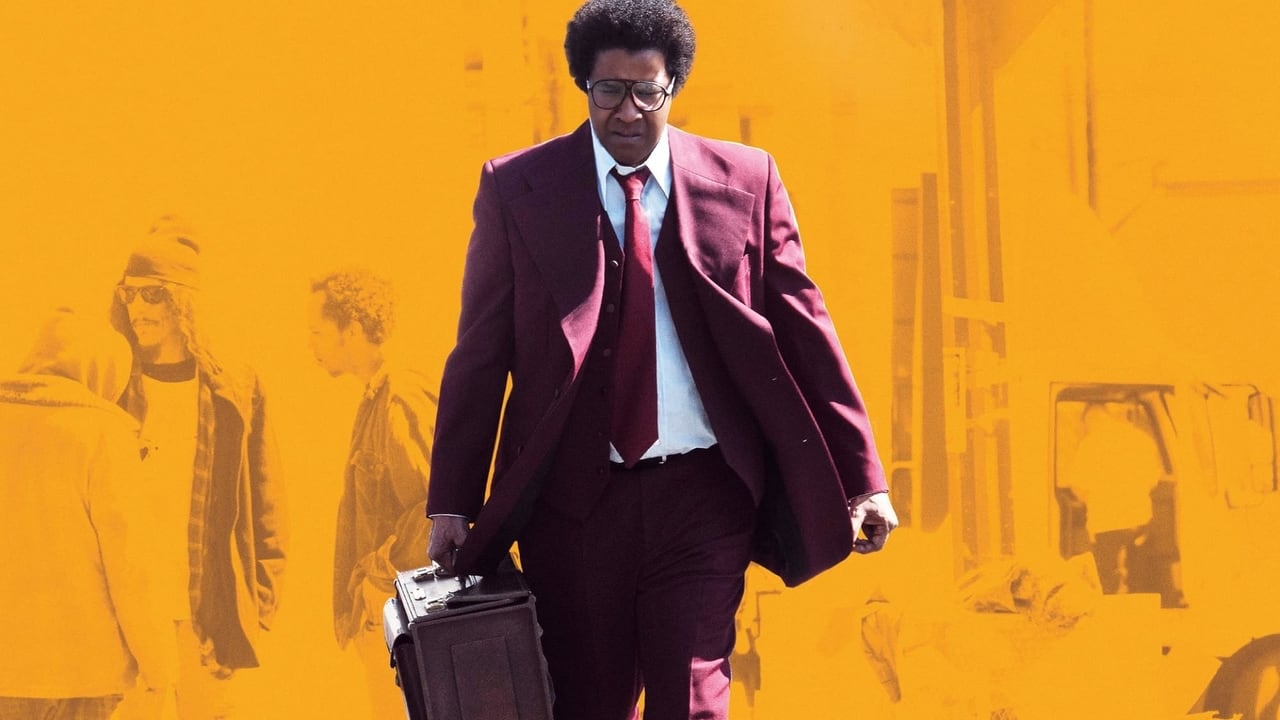
The irony isn't that Roman dies for a crime he was about to confess. It's that Johnson gets what Johnson wants without doing the work. Roman already returned the money. He already wrote the apology. He was already walking to the police station. From Johnson's seat, the threat is enough: Roman is dead, the snitch is silenced for good, and Johnson never has to sit in a courtroom and answer for Ellerbee.
The other half: Pierce gets the reform Roman spent decades chasing, and it's Pierce who gets to file the brief. Roman tried to interest him in it and got assigned clients instead. He got told to work behind the scenes the way he always had. Now his name is on the brief next to Pierce's, and the man who could never command a courtroom won't be there to argue it. That's the win. It's real. It's also not the version Roman wanted, because Roman wanted to be the one in the room.
Did anyone get a warning
William Jackson's death is the warning. The firm is in debt, Jackson is gone, and the partner who handled the courtroom appearances was the one who gave Roman cover to be the hidden brain. When Pierce sits across from Roman in the unwinding and praises his legal mind, the film is telling you exactly how this ends: a man whose value to the system is what he can produce for someone else gets absorbed and then discarded. Roman hears the compliment as an offer. It's a forecast.
In no way is his performance a stunt. Washington digs so deep under the skin of this complex character that we almost breathe with him. It's a great, award-caliber performance in a movie that can barely contain it.
That's Pierce, in the final stretch, telling Roman he's been changed by watching him. It's a real conversion and it's also Roman's death sentence. Once Pierce absorbs the mission, the man carrying it becomes optional. Roman tells Pierce he's turning himself in, walks out the door, and the brief is already in safer hands than his.
The verdict
The verdict
The film is not confused about what it's saying. It's saying that Roman paid a price the system never billed him for. He committed a real crime, returned the money, wrote a note, and chose the police station. The sentence for that was a henchman's bullet on the way there, and the movie is committed to that as the shape of the world Roman lived in.
Denzel Washington plays it as a man whose entire value was invisible until it was useful to someone with better manners and a bigger office. Peter Travers called it "a great, award-caliber performance in a movie that can barely contain it," and that's the tension the ending finally cashes. Richard Roeper said the film "never gets full delivery on that promise." He's right about the movie. He's wrong about the promise. The promise was that Roman would eventually be paid what he was worth. The ending says he wasn't, and that Pierce's signature next to Roman's on the brief is the closest thing to a receipt the film will issue.
Maya gets her activism back. Pierce gets his reform. Roman gets a walk and a bullet. The brief outlives the man. That's the ledger, and Roman J. Israel, Esq. closes it in the red on purpose.