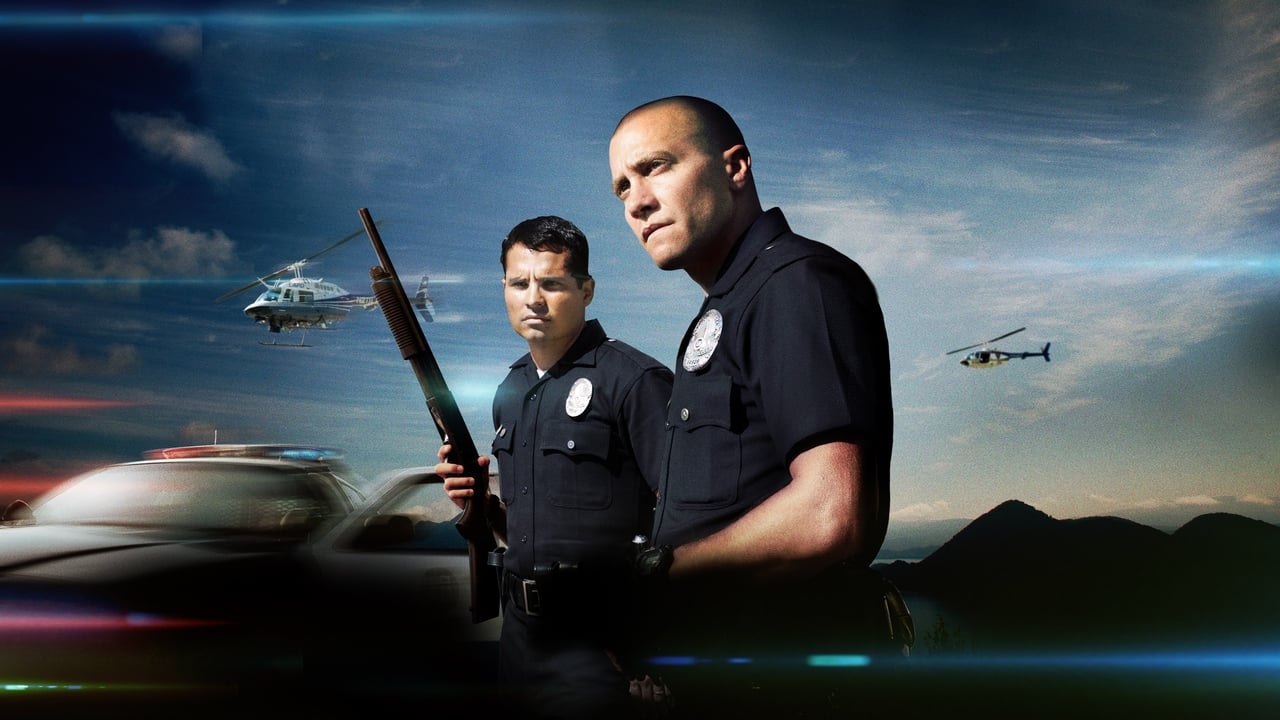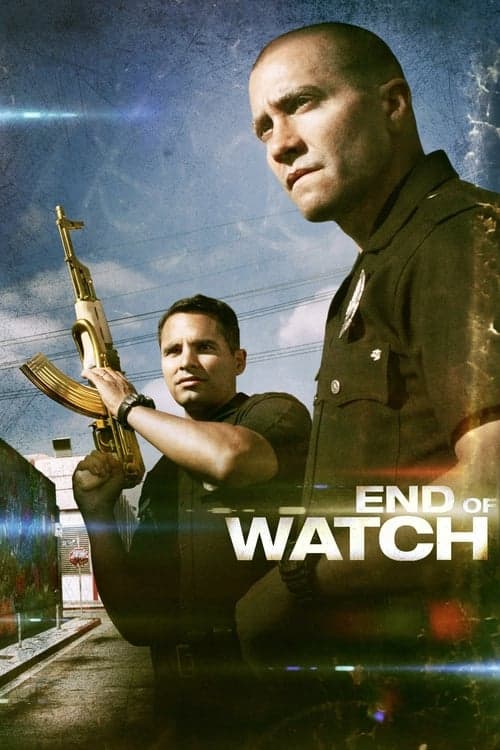
End of Watch (2012): Ending Explained
The ambush kills Zavala and spares Taylor only because his partner's body stops the bullets, then Ayer rewinds to a joke before the call
8 min read
Release Year: 2012
Rating: 7.4/10
Runtime: 109 minutes
By Ellis Carver
The short answer
The short answer
Zavala dies and Taylor lives, and the only reason Taylor lives is that Zavala's body is between him and the bullets. That's the bill. Ayer spends 109 minutes building a partnership that looks like the two of them are one unit, then cashes it in by proving they weren't: one of them goes into the ground and the other goes home to a pregnant wife he didn't earn on his own. The film doesn't think the price is fair. It thinks the price is the whole point of wearing the badge, and it makes you sit with the stupidity of that before it lets you leave.
The last twenty minutes
The bait
Taylor and Zavala chase a reckless driver into an apartment complex. The Curbside Locos Gang is already inside, already positioned, already waiting. Every step of the pursuit is a decision the two cops make freely, and every one of those decisions walks them further into a trap the gang built knowing exactly how they'd respond. Cost: the last moment of full control. From here, nothing they choose matters.
The fight in
They shoot their way through several gangsters and push into an alley. It reads as a win. It's not. Cost: Taylor takes a round to the chest. The partnership's bulletproof armor is gone, and so is any chance of walking out clean.
The treatment
Zavala goes to work on Taylor's wound. He's not fighting anymore. He's holding pressure on his partner's chest while the men who came to kill them close in. Cost: Zavala trades his weapon for his hands. That's the choice. He chooses Taylor over his own survival, and he knows it while he's making it.
The firing line
The assassins reach them and open fire. Both officers go down. The film cuts away and lets you believe it's over for both of them, which is the cruelest edit in the movie. Cost: everything, as far as you know. You've just watched two men die on a dirty alley floor.
The backup
LAPD arrives in force. The assassins refuse to surrender and get gunned down, including Big Evil and La La. Cost: the reprisal the ICE agents warned about gets answered, but the answer comes too late to save the man it was meant to protect. A gunfight you already lost doesn't get less lost by winning the second half.
The reveal and the funeral
Zavala is dead. Taylor survived, because Zavala's body shielded him. At the funeral, Taylor stands up to eulogize his partner and gets out one sentence: "He was my brother." Cost: Taylor keeps his life and pays for it with the person who gave it to him. He can't even finish the speech. The film doesn't let him.
The rewind
The film cuts back to the day of the shooting, before any of it, and Zavala is telling Taylor a crude story about the first time he slept with his wife. Then dispatch calls. Cost: nothing, structurally. The flashback is the film's way of saying the ambush wasn't the ending. The joke was. The two of them laughing in a squad car was the thing worth keeping.
The ledger
What they gain
Brian Taylor keeps his life. He's alive, married to Janet, expecting a child with her, and he gets to bury his partner and go home.
What they pay
Brian Taylor pays with the reason he's still breathing. Zavala's body is what stopped the bullets. Every day Taylor spends with Janet and the baby is a day Zavala's widow Gabby doesn't get with her husband. He also pays at the funeral, where he can't get past one sentence in front of Zavala's family and his own.
What they gain
Mike Zavala keeps his word. At Taylor's wedding he promised he'd take care of Janet if anything happened to Taylor. He does it. He takes the bullets meant for his partner.
What they pay
Mike Zavala pays with his life. He dies in an alley trying to keep pressure on Taylor's chest, unarmed against the men closing in. He leaves Gabby a widow.
What they gain
Gabby gets nothing from this ending except the thing nobody wants: proof that her husband was the man she thought he was.
What they pay
Gabby is widowed. The film doesn't show her after the funeral, and it doesn't need to. Her husband's body is the shield that saved another woman's husband.
What they gain
Tre was right. He warned them, and the warning turned out to be accurate. That's the whole return on it.
What they pay
Tre pays by being ignored. His warning didn't stop the ambush and it didn't save Zavala. Being correct about something nobody acts on is its own kind of bill.
What they gain
Big Evil and La La get to finish the job. They kill Zavala and put a round in Taylor's chest.
What they pay
Big Evil and La La get gunned down by the same backup that couldn't reach the alley in time to matter. They refuse to surrender and the LAPD answers. The gang accomplishes the hit and dies for it in the same afternoon.
The irony
Zavala gets exactly what he promised at Taylor's wedding, and that's the problem. He said he'd look after Janet if anything happened to Taylor. Then he does it, physically, by being the thing between Taylor and the shooters, and the film punishes him for keeping his word. He wanted to be a man who takes care of his people. He gets to be that man. The cost is Gabby, which he never negotiated and never got a say in. He wanted the promise fulfilled in some vague future where it wouldn't be needed. The ambush made it needed on a Thursday afternoon.
And Taylor gets what every cop in this movie says he wants: to come home. He comes home to a pregnant Janet. The twist is that coming home is the punishment. He's the survivor of a partnership the whole film has taught us to read as a single organism, and surviving turns out to mean being the half that's left. He wanted the partnership to last. He got the survival. Those aren't the same prize and Ayer knows it.
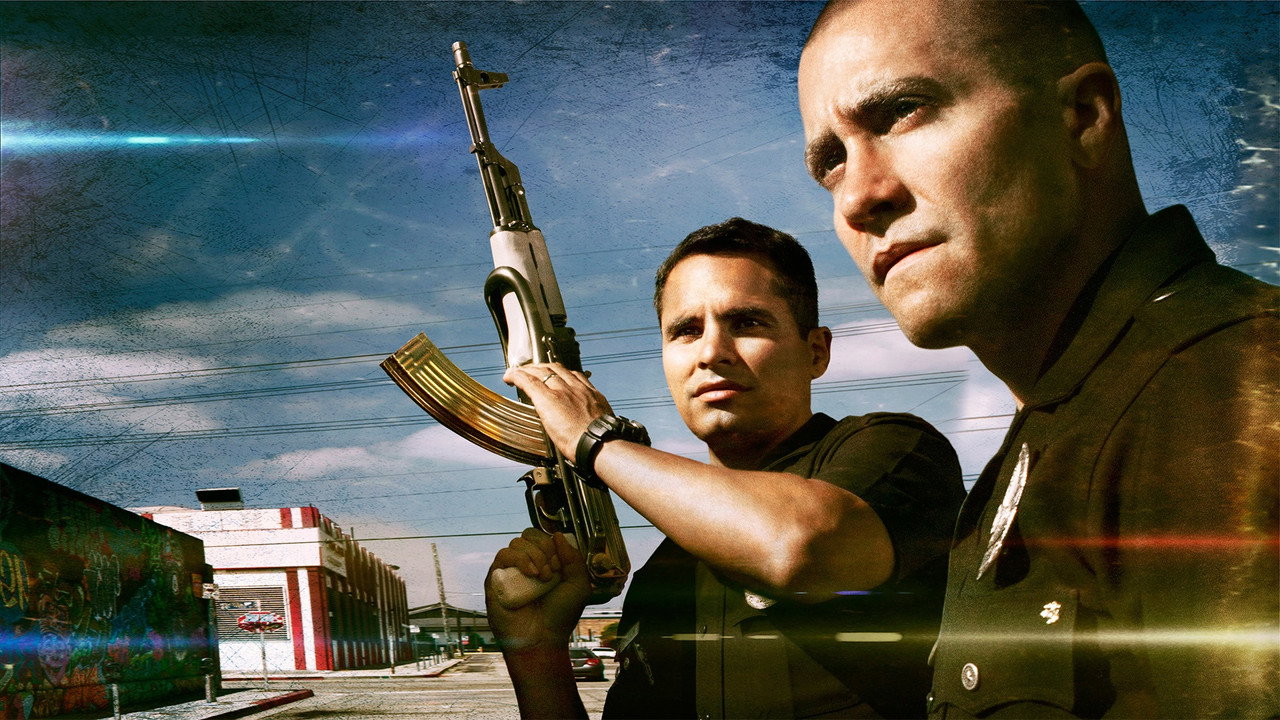
Did anyone get a warning
Tre got the warning. ICE sat the officers down and told them to stay clear of the Sinaloa Cartel house because of possible reprisals. Then the cartel green-lights them, Big Evil and La La and the Curbside Locos get the assignment, and the ambush goes off exactly as the men who warned them said it would. Nobody listened. Tre's warning is the earliest forecast of the price the ending charges, and it's the one the film lets go undramatized, because cops ignoring a warning is too ordinary to play as a scene. That's the movie's whole argument about police work in one beat. The intelligence was sitting on the table. The officers walked into the alley anyway.
Like a knife in the eye, End of Watch cuts past the cliches of standard police procedurals
The verdict
The verdict
The ending is not ambiguous and it's not a cheat. Between the ambush's fake-out and the reveal, the film makes a single clear claim: the job bills you for the whole partnership, not for the half of it that doesn't die. Zavala's body is the invoice. Taylor pays it with one sentence he can barely finish and a life he didn't buy.
And then the rewind. Ayer takes you back to Zavala telling a crude story about the first time he slept with his wife, before dispatch calls. That's not a grace note and it's not sentiment. It's the accounting entry that closes the books. The thing the film treasures, the thing it will not let the ambush overwrite, isn't the shootout or the sacrifice. It's two men sitting in a squad car, laughing about nothing, one call away from the alley. The price of the ending is that we now know how that conversation ended, and the film is telling you the ordinary moment was always worth more than the heroic one. Fair or not, that's the number, and it doesn't go away.