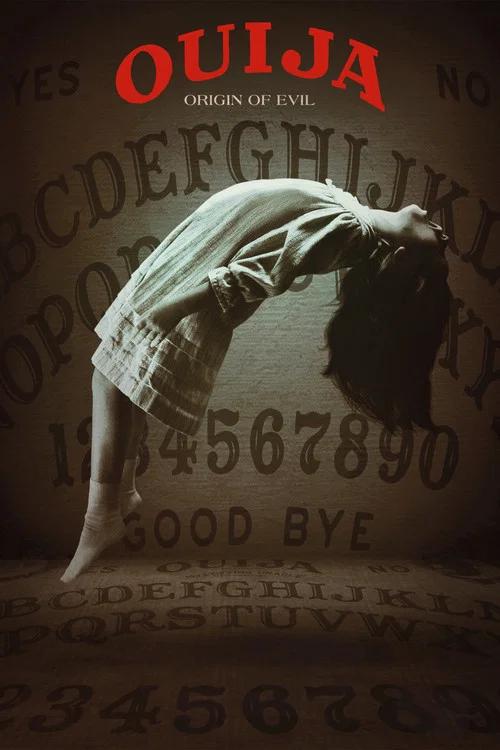
Ouija: Origin of Evil (2016): Ending Explained
Lina sews Doris's mouth shut, killing her; possessed, Lina stabs mother Alice and is institutionalized; 46 years on she greets a claimed niece.
8 min read
Release Year: 2016
Rating: 6.2/10
Runtime: 99 minutes
By Ending Explained Team
The short answer
The short answer
Lina sews Doris's mouth shut to silence the spirits talking through her, and the sewing kills her little sister. Doris rises as a ghost and is reunited with her father Roger. The spirits possess Lina next, and she stabs their mother Alice, who dies telling Lina it was not her fault. Lina is committed to a mental hospital for Alice's murder and Doris's disappearance. Alone in her room, she draws a Ouija board on the floor in her own blood to summon Doris and gets an evil spirit wearing Doris's face. In a post-credits scene set 46 years later, an elderly Lina, still institutionalized, receives a visitor claiming to be her niece and greets them with a wide smile.
The last twenty minutes

The doll
Lina remembers the doll. Her father's spirit stitched its mouth shut, she understands now, to shut out the voices for Doris, and the same logic applies to Doris herself. The instrument that was meant to protect a child becomes the plan for the child. Lina decides she has to sew her sister's mouth closed to cut the spirits off at the source.
The killing
Lina does it. She sews Doris's mouth shut and Doris dies under her hands. The possessed little girl who threw tantrums about staying home with the board is gone, and the person who ends her is her own sister. Whatever Lina thought she was doing, the result is a dead nine-year-old and blood on Lina's hands that no one else put there.
The reunion
Doris wakes as a ghost. Roger is there, and father and daughter are together and happy in a way the living family never managed after his death. This is the one clean thing in the ending, and it belongs entirely to the dead.
The substitution
The spirits need a voice and Doris is no longer available. I'd read the switch as the demand for a voice finding its next speaker. Under their control Lina stabs Alice. Alice's last breaths go to telling Lina it was not her fault, which is both a mercy and a sentence: Lina gets to keep living with the knowledge of what her body did. She is orphaned in the space of a minute.
The room
Lina is admitted to a mental hospital for Alice's murder and Doris's disappearance. Isolated, she draws a Ouija board on the floor with her own blood and tries to summon Doris. What answers is an evil spirit in Doris's form. Every door out of her situation closes at once: the summoning fails, the visitor is unverified, and the board that started all of this is now something she makes from her own body.
Forty-six years
The post-credits scene jumps to an elderly Lina, still institutionalized, receiving someone who claims to be her niece. Lina greets them with a wide smile. She has spent her whole adult life inside that building, and the last image the film gives us is her happiness at a family connection that the film has done nothing to verify.
The ledger
What they gain
Doris Zander gets what the living Doris was reaching for the whole film: her father. She is reunited with Roger as a ghost, happy, past the point where the house or the board can reach her.
What they pay
Doris Zander pays with her life, killed by the sister trying to save her. She never gets to grow up, and the reunion only exists because she died.
What they gain
Alice Zander gets nothing. There is no gain to enter here except the last thing she does, which is absolve her daughter with her dying words.
What they pay
Alice Zander pays with her life, stabbed by her possessed daughter. What Alice knows of Doris at the end, the film doesn't say.
What they gain
Lina Zander survives, which is the cruelest thing the film does to her. She outlives everyone and gets 46 more years.
What they pay
Lina Zander pays with her mother, her sister, her freedom, and her mind. Committed for Alice's murder and Doris's disappearance, she spends the rest of her life institutionalized, and her one attempt to reach Doris brings back something wearing Doris's face.
What they gain
Roger Zander is reunited with Doris. The father who died before the film starts gets his daughter back.
What they pay
Roger Zander pays nothing further. He is already dead when the film begins, and the ending costs him nothing.
The irony
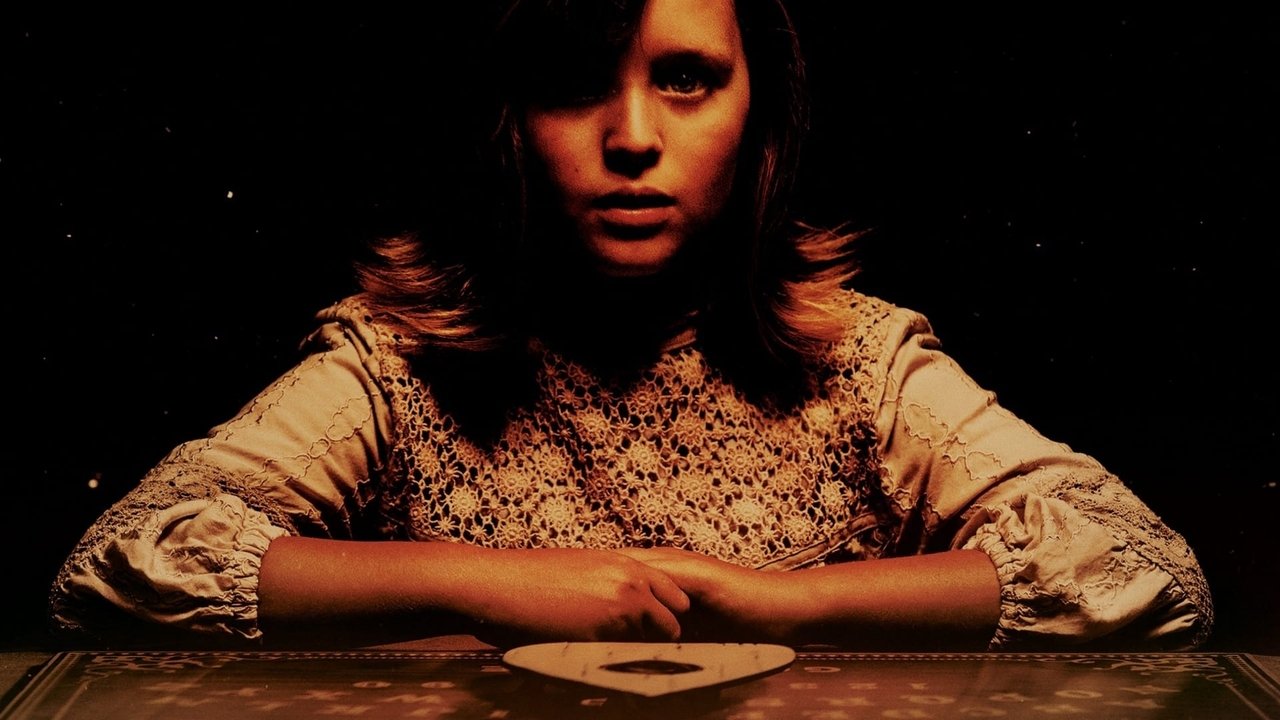
Alice spent the film faking contact with the dead and then got real contact, and it destroyed her family. That's the surface irony, and it's almost too neat. The sharper one belongs to Lina. Disturbed by the changes in her sister, she's the one who finds Doris's pages in fluent Polish and takes them to Father Tom. Her reward for being right about the danger is to become the instrument of it. She diagnoses the possession correctly and then kills her sister trying to quiet the spirits herself by sewing Doris's mouth shut, and the spirits possess Lina next. The film's ugliest move is that it lets Lina be correct and still makes her the murderer. Alice dies forgiving her and Lina is left devastated; whether she can accept it, the film doesn't say.
Doris, meanwhile, gets the thing she wanted from the start: her father. She just has to die to collect it. The film isn't subtle about the trade. The child who asks the board for help is the only member of the family who ends up somewhere better, and she gets there by leaving the plot entirely.
Did anyone get a warning
The warning is in the doll, and it arrives before anyone understands what it means. Roger's spirit stitched the doll's mouth shut to shut out the voices for Doris. When Lina recalls it in the last act, she reads it as instruction: silence the mouth, silence the voices. She's right about the mechanism and wrong about the price.
"Voice" is the whole film in one word. The spirits aren't after the house or the money in the basement wall. They want a body to speak through, and they'll take whichever Zander is available. Lina's mistake is thinking the mouth is the problem.
The verdict
The verdict
This is a prequel that refuses the clean ending a possession movie is supposed to earn. Father Tom, Alice and Lina burn the board in the furnace; it reappears untouched on the table upstairs. Doris kills Father Tom. Nothing they try works, and the one fix Lina finds, sewing the mouth shut, kills Doris anyway. Flanagan and co-writer Jeff Howard trade the genre's usual relief for a haunting that transfers rather than ends. Doris is the one who escapes, and she escapes by dying. Lina is the one who lives, and the film spends its last two scenes making sure we understand that living is the punishment.
I'd argue the ending isn't ambiguous about who it blames, and it doesn't blame Lina. The spirits are the cause; the possession is the mechanism; Alice's dying absolution is the film's own position stated out loud. What the movie does judge is the impulse to handle this alone. Alice faked her way into a real haunting, Lina tried to quiet the spirits herself by sewing her sister's mouth shut, and Father Tom finds the experiment room beside the furnace and the spirits take him there. Every one of them tried to close the door without help, and the door stayed open.
The post-credits scene is the part that lands hardest. Lina kills Doris, then, possessed, stabs Alice; 46 years later she is still institutionalized. She's smiling at someone who says she is family. The film doesn't tell us whether the visitor is real. It doesn't have to. Lina has already summoned a fake Doris once, and she's had four and a half decades to keep trying. Her smile is either the end of a long loneliness or the latest in a series of things that have learned to wear her sister's face, and the movie leaves that unresolved on purpose, because either answer costs her the same.