Ghostland (2018): Ending Explained
The Candy Truck Woman killed Pauline that night; Beth's adult life was a hallucination. Both sisters survive; both intruders are gunned down.
7 min read
Release Year: 2018
Rating: 7.4/10
Runtime: 91 minutes
By Ending Explained Team
The short answer
The short answer
Pauline is dead. The Candy Truck Woman killed her on the night of the home invasion, and Beth and Vera never left Clarisse's house. Beth's adult life in Chicago, the husband, the son, the horror novels, the talk show, all of it is a hallucination. Beth breaks out of the fantasy, frees Vera, and the sisters run for a road, but the Candy Truck Woman shoots the two state troopers who try to help them and drags them back. Beth retreats into the fantasy again, meets H.P. Lovecraft at a cocktail party, hears Vera screaming, and chooses to go back for her. She escapes the Fat Man, fights the Candy Truck Woman, and a third state trooper arrives in time to shoot both intruders dead. As the girls are taken to a hospital, Beth sees a vision of Pauline waving at them from the house. Both sisters survive. The Candy Truck Woman and the Fat Man do not.
The ending, beat by beat

The room of dolls
The Candy Truck Woman dresses Beth like a doll and leaves her in a room littered with dolls. The Fat Man comes in and molests and breaks them. When he turns on Beth, she fights back and flees. It's a fight she makes herself, though the rescue that ends the night will come from outside.
The road
Beth frees Vera and they escape the house, reaching a road where two state troopers help them and report the incident to dispatch. The film lets you believe it for a moment. The Candy Truck Woman guns both troopers down and recaptures the girls.
The cocktail party
Beth retreats into the adulthood fantasy, where she meets her idol H.P. Lovecraft at a cocktail party and he tells her her novel is a masterpiece. Then she sees Vera screaming for help, and the fantasy stops being a place to hide. She decides to go back.
The confrontation
Beth escapes the Fat Man and violently confronts the Candy Truck Woman. Another state trooper arrives in time and guns down both the Fat Man and the Candy Truck Woman. The girls are finally, actually out.
The house
After authorities arrive, Beth sees a vision of Pauline waving at them from the house as she and Vera are taken to a hospital. Pauline is dead. The wave is not a rescue and not a goodbye exactly. It is the last thing the house gives them.
The ledger
What they gain
Beth gains her life, her sister, and a hospital bed. She also gains the truth: the adulthood she lived in her head was never real, including the husband and son, who were part of the hallucination.
What they pay
Beth pays with the captivity, and with knowing the self she liked best was a fiction.
Vera gains freedom from the house. She is taken to a hospital with Beth.
Vera pays for being the sister who never got to leave. She was kept in the basement, chained and made up like a doll, and she is the one who kept insisting on the truth while Beth kept building walls against it.
Pauline gains nothing. The Candy Truck Woman killed her the night of the invasion.
Pauline pays with her life, and then with being a voice in her daughter's head, an ambulance caller who never came, a mother Beth hallucinated as alive and dismissive.
The Candy Truck Woman gains a death. She is gunned down by a state trooper.
The Candy Truck Woman pays with the only thing she had, which is the game. She wanted to play with dolls, and she got to, until Beth stopped being one.
The Fat Man gains a death. He is gunned down by a state trooper.
The Fat Man pays with nothing he would recognize as a price. The film gives him no interiority to lose.
The irony
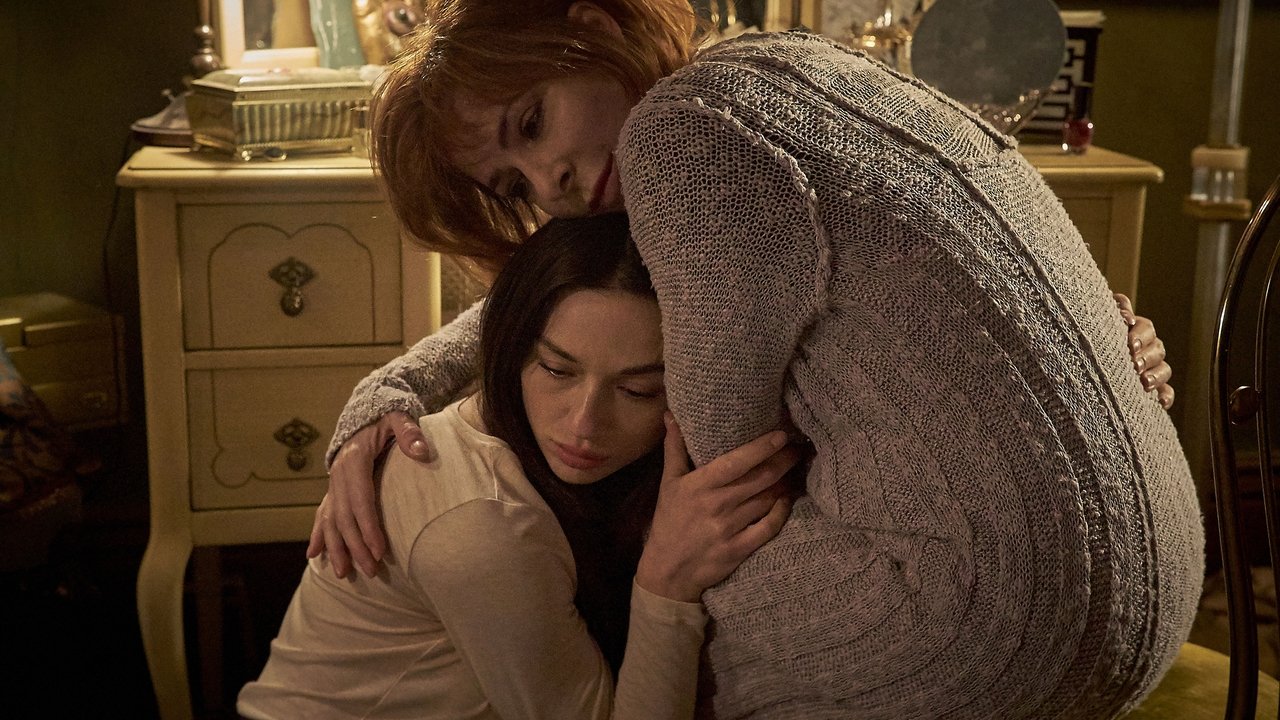
Vera got what she wanted. She spent the whole film insisting the intruders were still there, that the house was still a trap, that Beth needed to wake up and see it. She was right about all of it, and being right didn't save her. She was chained in a basement while her sister lived a whole imaginary life upstairs in her own head. The truth Vera kept screaming was the thing Beth kept running from, and Beth faces the truth when Vera implores her in the basement; the cocktail party later pulls her back. Vera's reward for all that clarity is a hospital bed beside a sister whose husband and son were never real.
Beth got the opposite. She wanted out, and the way out she built was a fiction so complete it gave her a career, a marriage, a child, and the respect of H.P. Lovecraft. The film doesn't punish her for it. It just shows what the fiction cost: every time the real world got close to killing her, she left it, including after the troopers on the road were gunned down. The one time the fantasy worked in her favor was also the one time she used it to come back.
Did anyone get a warning
Before anything goes wrong, Beth reads an article about home invasions where parents are murdered. I'd read that moment as Beth keeping violence at story distance, treating the worst thing in the world as something that happens to other people in print, and the film as making her pay for it.
It is also the first line of the film's real logic. I'd read the pattern as parents dying so the daughters can be kept. That's the horror the article's pattern was hiding, and Beth read right past it because the article didn't say what keeping meant.
The verdict
The verdict
The film thinks Beth and Vera paid enough, and it thinks the intruders had it coming. That's the unfashionable thing about Ghostland's ending. Dennis Harvey, writing in Variety, called the film "slick, intense, and unpleasant in the same hollow way 'Martyrs' did, because all the cruelty is so meaningless," and complained that Laugier doesn't bother giving the villains "any motivation or backstory." He's right about the facts and wrong about what they cost the film. The absence of backstory is the point. The Candy Truck Woman and the Fat Man are not characters with reasons. They are a house that keeps girls, and the film refuses to dignify that with a psychology, because a psychology would make them explicable and explicable is the one thing they must not be.
Simon Abrams, in The Village Voice, called it a "disturbing and effective critique of misogynist torture porn" and noted that "Laugier's tormented girls consistently prove to be stronger than their brutalized bodies." That's the reading the ending earns. The final trooper is a deus ex machina, and I'd argue that's deliberate: after two troopers are gunned down in the road, a third arriving in time isn't realism, it's the fantasy finally doing what fantasies are for. Beth spent the captivity imagining a life where she was in control. The only time that imagining saved anyone was when she used it to go back for Vera.
So who comes out worse? Vera. She comes out alive, and she comes out right, and she comes out with a captivity she didn't choose and a sister whose fantasy recast her as the unstable one. Beth gets the vision of her mother waving from the house. Vera gets no vision at all, because Vera never needed one. She was there the whole time.