The Conclave (2007): Ending Explained
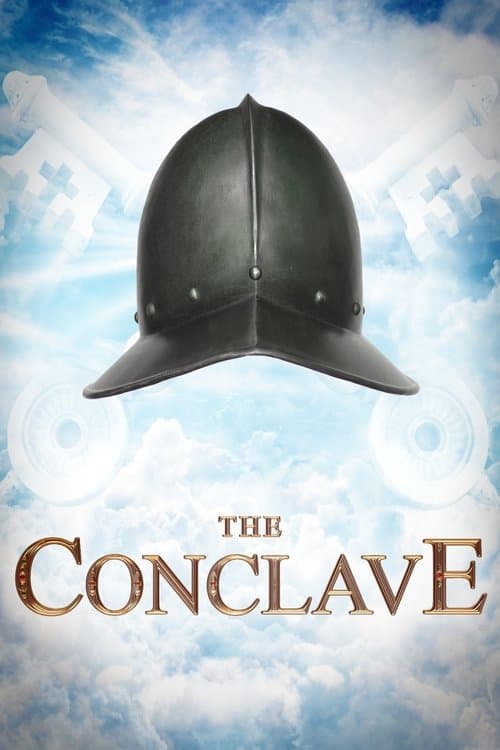
In 1458, five years after the fall of Constantinople to the Turk, eighteen cardinals meet to elect a new pope. Rodrigo Borgia, a 27 year old cardinal learns to play a very dangerous game.
7 min read
Release Year: 2007
Rating: 5.882/10
Runtime: 100 minutes
By Ellis Carver
The Conclave (2007): Ending Explained
In the shadowy halls of 15th-century Vatican intrigue, The Conclave (2007) weaves a tense tapestry of ambition, faith, and betrayal during the pivotal papal election of 1458. Directed with a keen eye for historical drama, the film draws from the rare diary of Cardinal Silvius Aeneas Piccolomini, offering a rare glimpse into the secretive world of a papal conclave. As the Ottoman shadow looms just five years after the fall of Constantinople, eighteen cardinals gather not just to choose a spiritual leader, but to navigate a powder keg of personal vendettas and geopolitical pressures. At the heart of this maelstrom is the young Rodrigo Borgia, a 27-year-old Spaniard whose ruthless cunning could either forge his legacy or seal his doom.
The film masterfully builds suspense through whispered alliances and veiled threats, portraying the conclave as a microcosm of human frailty masked by holy robes. Borgia's arc, in particular, drives the narrative: a prodigy thrust into a den of wolves, he must outmaneuver elder cardinals scheming for power amid fears of Turkish invasion and internal schisms. Leading up to the finale, tensions peak as factions coalesce, ballots are cast in secrecy, and the weight of divine election hangs over mortal sins. This setup primes the audience for a resolution that probes the fragile line between piety and politics, setting the stage for an ending that lingers with quiet profundity.
What Happens in the Ending
The film's climax unfolds in the dim, smoke-filled Sistine Chapel, where the cardinals' deliberations reach a fever pitch after days of deadlock. As the final ballots are tallied under the watchful eyes of the gathered electors, the young Rodrigo Borgia—having deftly played both sides in a web of bribes, threats, and ideological appeals—secures just enough support to tip the scales without exposing himself fully. The announcement comes in a moment of hushed reverence: Cardinal Silvius Aeneas Piccolomini, the diary's own chronicler, emerges as the unanimous choice for Pope Pius II.
In the immediate aftermath, Borgia stands amid the jubilant yet wary assembly, his face a mask of calculated relief. A subtle exchange with Piccolomini hints at an unspoken pact—Borgia's maneuvers have not only preserved his position but elevated him as a key ally in the new pontificate. The conclave dissolves with the traditional white smoke billowing from the chimney, signaling to the anxious crowds outside that a new era dawns. Yet, as the camera lingers on Borgia's shadowed gaze, the final shot fades on the chapel doors closing, enclosing the secrets within. No overt violence erupts, but the air crackles with the unspoken cost of survival in this perilous game.
This sequence, drawn from Piccolomini's historical account, emphasizes the ritualistic formality of the vote while underscoring the human drama beneath. Borgia's "dangerous game" culminates not in spectacle, but in the quiet alchemy of influence, leaving viewers to ponder the invisible wounds inflicted along the way.
The Meaning Behind the Ending
At its core, the ending of The Conclave symbolizes the eternal tension between divine calling and earthly ambition, a metaphor for how power corrupts even the most sacred institutions. The election of Piccolomini as Pius II represents a fragile triumph of humanism and reform—qualities he embodied as a scholar-diaryist—over the raw Machiavellian forces Borgia wields. Yet, Borgia's survival injects irony: the very "dangerous game" he learns ensures the Church's continuity, but at the expense of its moral purity. This resolution critiques the conclave as a theater of illusions, where ballots cast in God's name often serve personal agendas, mirroring the broader societal commentary on post-Constantinople Europe, where faith becomes a shield against Ottoman fears and internal decay.
Thematically, the ending delves into moral complexity, portraying election not as a holy epiphany but a negotiated compromise. The white smoke, a literal signal of resolution, doubles as a veil over the conclave's darker undercurrents—smoke that obscures truth much like the cardinals' pious facades hide their flaws. It's a contemplative nod to human psychology: Borgia's arc reveals ambition as both a survival instinct and a soul-eroding force, suggesting that in the pursuit of power, one risks becoming the very monster one fights.
Character Arcs and Resolution
Rodrigo Borgia's journey forms the emotional spine of The Conclave, transforming from a wide-eyed cardinal into a hardened player whose ending cements his evolution. Initially outmatched by the conclave's veterans, his desperate bids to save his career—forging alliances amid threats to his life—culminate in a resolution that validates his cunning. By the film's close, Borgia hasn't just survived; he's positioned himself as an indispensable figure in Pius II's regime, foreshadowing his own infamous rise to Pope Alexander VI. This arc underscores a psychological truth: ambition, when tempered by intellect, forges resilience, but leaves one isolated in a web of their own spinning.
Piccolomini's arc, conversely, resolves with quiet vindication. As the election's beneficiary, his diary-keeping habit—framed throughout as a risky act of transparency—pays off, allowing history to record the conclave's truths. His selection resolves the narrative's central conflict, affirming a character psychology rooted in intellectual integrity over brute force. For the ensemble of cardinals, the ending scatters them into the new pontificate's fold, their arcs converging on a collective exhale: the Church endures, but scarred by the moral compromises exacted in the shadows.
Alternate Interpretations
While the ending appears resolute with Piccolomini's election, its ambiguities invite multiple lenses. One reading casts Borgia's triumph as pyrrhic—his "relief" in the final shot could mask a dawning regret, interpreting the conclave as a Faustian bargain that dooms his soul long-term. This view subverts the surface victory, emphasizing psychological toll over political gain.
Alternatively, optimists might see the resolution as redemptive: Piccolomini's humanist leanings, bolstered by Borgia's pragmatic support, signal potential reform in a Church beleaguered by external threats like the Turkish conquest. Here, the ending's subtlety—lacking dramatic confrontation—suggests ambiguity in progress itself, questioning whether true change emerges from compromise or merely perpetuates the cycle. These interpretations hinge on the film's contemplative pacing, leaving room for viewers to project their own views on faith's resilience amid human frailty.
Themes and Symbolism
The ending reinforces The Conclave's core themes of power's corrupting allure and the illusion of divine order in human affairs. Symbolically, the Sistine Chapel becomes a pressure cooker of suppressed desires, its locked doors representing the Church's self-imposed isolation from worldly chaos—yet Borgia's game subverts this, showing how personal stakes infiltrate even sacred spaces. The fall of Constantinople, evoked throughout, symbolizes broader societal decay, with the conclave's resolution commenting on Europe's need for unified leadership tainted by infighting.
Morally complex, the film subverts expectations of heroic piety; instead, it humanizes the cardinals, revealing ambition as a universal truth rather than vice. This thematic depth elevates the ending beyond historical reenactment, offering commentary on enduring questions: Can institutions born of faith withstand the psychology of power? The white smoke, in its dual role as beacon and obscurer, encapsulates this— a hopeful signal laced with the residue of compromise.
Final Thoughts
The Conclave crafts an ending that resonates through its restraint, trading explosive reveals for introspective weight, making it a standout in historical dramas. By resolving the 1458 election with historical fidelity yet psychological nuance, it invites audiences to grapple with the uncomfortable truths of ambition and authority. This isn't a tidy bow on Vatican lore; it's a mirror to our own games of influence, where survival often demands moral ambiguity. For fans dissecting power's underbelly, the film's finale endures as a thoughtful triumph—profound, unflinching, and endlessly reinterpretable. If you're searching for how history's hidden diaries illuminate timeless human struggles, this ending delivers with subtle brilliance.