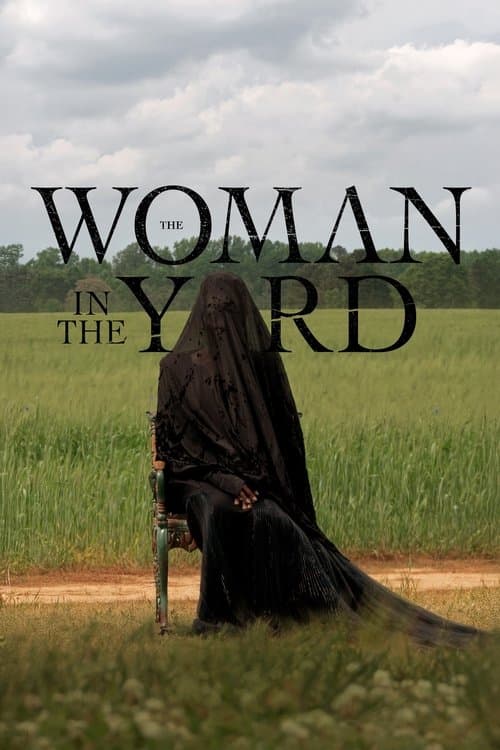
The Woman in the Yard (2025): Ending Explained
"Don't let her in."
In the aftermath of her husband's death, widow Ramona's struggle to raise her two kids is hindered by the arrival of a mysterious woman with supernatural abilities.
7 min read
Release Year: 2025
Rating: 5.704/10
Runtime: 88 minutes
By Luna Sterling
The Woman in the Yard (2025): Ending Explained
In the shadowy grip of grief and unspoken guilt, The Woman in the Yard (2025) weaves a chilling tale of a family's unraveling under the weight of buried secrets. Directed with a palpable sense of dread that seeps into every frame, the film follows Ramona, a disabled widow haunted by the car accident that claimed her husband David's life. As she navigates the tense, isolated rhythms of motherhood—her strict demeanor masking a chasm of emotional distance—a enigmatic figure draped in black materializes in their front yard, whispering ominous promises that stir the air like a gathering storm.
Quick Recap
Ramona's world is one of fractured routines and simmering resentments, her body scarred from the crash that left her wheelchair-bound and her two children, Taylor and Annie, in her strained care. The accident, which she insists was David's fault, hangs over the household like a fog, but the arrival of the Woman in the yard shatters their fragile equilibrium. Cloaked in darkness, she perches motionless under the dim glow of twilight, her presence evoking a chill that prickles the skin even indoors. Ramona warns Taylor and Annie to steer clear, her voice laced with urgency, but Taylor's defiance boils over into confrontation, fracturing the family's already brittle bonds—culminating in a shattered mug on the kitchen floor, its shards mirroring Ramona's splintering control.
As nights deepen with unnatural quiet, the Woman's influence creeps closer, her "shadow magic" claiming their loyal dog Charlie in a vanish that leaves only a broken chain and an empty collar swaying in the wind. Power flickers out, forcing the family to huddle over melting ice cream in the dim lantern light, while Ramona's prayers—whispered in the suffocating dark—summon more than solace. The Woman knows the accident's hidden truth: Ramona was at the wheel, rage-fueled after a bitter argument about her stifled life. Torment escalates as the figure antagonizes the home, drawing Ramona into a desperate bargain to shield her children, her resolve crumbling under the relentless psychological siege that blurs the line between intruder and inner demon.
What Happens in the Ending
The film's climax unfolds in the barn's oppressive gloom, where dust motes dance in slivers of light filtering through cracked wood, and the metallic tang of old tools hangs heavy in the air. Ramona, hollow-eyed and trembling, bids a tear-streaked farewell to Taylor and Annie, her voice cracking like dry earth as she ushers them away for their safety. The Woman, her form a swirling silhouette of inky shadows, guides Ramona to a rusted rifle propped against a hay-strewn wall. With a gentleness that belies the horror, she positions the barrel against Ramona's temple, the cold steel pressing into skin like an unwelcome whisper, urging her toward the release she's secretly craved.
But the moment fractures as the barn door creaks open, spilling in the hurried footsteps of Taylor and Annie, with Charlie—miraculously alive, his fur matted and eyes wild—trailing at their heels. The Woman's ethereal presence dissolves into wisps of darkness, vanishing as abruptly as she appeared, leaving only the echo of her influence in the sudden silence. The children rush to Ramona, their questions tumbling out in breathless pleas: "Will she come back?" Ramona, pulling them into a fierce embrace that carries the faint, salty sting of tears, steels her voice with newfound grit. "I'll be ready," she murmurs, the words hanging in the musty air like a vow etched in shadow.
As the family clings together, the camera lingers on their huddled forms before drifting inward through the house's dim corridors, drawn to an unfinished painting on an easel in the corner. The canvas, smeared with brooding strokes of black and crimson, depicts intertwined faces—Ramona's and the Woman's, merged in an uncanny symmetry—with Ramona's name scrawled backward at the base, a reversed reflection that twists in the low light, sealing the scene in lingering unease.
The Meaning Behind the Ending
At its core, the ending peels back the layers of Ramona's psyche, revealing the Woman not as an external specter but as a visceral manifestation of her suppressed despair—a shadow self born from prayers twisted by depression. The rifle's cold kiss against her skin symbolizes the seductive pull of self-destruction, a quiet surrender to the guilt gnawing at her from the accident's truth. Yet the children's return, accompanied by Charlie's improbable revival, injects a pulse of redemption, suggesting that familial bonds can pierce even the deepest psychological abyss. The backward-spelled name on the painting serves as a haunting metaphor for inversion: Ramona's life, once mirrored in regret and isolation, now reflects a potential reversal, where confronting her inner demon fosters fragile healing. This denouement underscores the film's exploration of mental fragility, where supernatural dread is merely the skin over raw emotional wounds, leaving viewers with the tense aftertaste of catharsis laced with uncertainty.
Character Arcs and Resolution
Ramona's journey arcs from armored detachment to raw vulnerability, her strict facade cracking under the Woman's relentless prodding, exposing the depression that's festered since the accident. By the ending, her surrender to suicide marks the nadir of her isolation, but the family's reunion resolves her arc with tentative empowerment—she emerges not unbroken, but resilient, ready to face her shadows. Taylor, the defiant teen whose skepticism ignites early conflicts, evolves from reckless challenger to protective anchor, his return with Annie symbolizing a mending of the emotional rift his anger widened. Annie, quieter and more withdrawn, finds voice in the embrace, her arc completing a shift toward unity. Charlie's reappearance ties their healing to the everyday, grounding the supernatural in the tangible warmth of loyalty. Collectively, the resolution binds their arcs in a fragile tapestry, where Ramona's readiness signals a collective step from fracture toward wholeness, though the air remains thick with unspoken scars.
Alternate Interpretations
The ending's ambiguities invite multiple lenses, blurring the supernatural with the psychological. One reading posits the Woman as a genuine otherworldly entity—a harbinger of death drawn by Ramona's guilt—who retreats not from the children's intervention but from Ramona's budding resolve, implying her visits may recur like a recurring nightmare. Alternatively, the entire ordeal could be a hallucinatory breakdown, with Charlie's "death" and revival as Ramona's mind weaving illusions from grief; the painting's backward name then becomes a clue to her dissociative state, suggesting the Woman lingers as an untreated fragment of her psyche. A third interpretation leans supernatural yet redemptive: the kids' return banishes the Woman temporarily, but her merged face on the canvas hints at an inescapable duality, where Ramona must integrate her darkness to truly heal—or risk its return. These layers amplify the film's tension, leaving audiences to ponder whether salvation lies in confrontation or coexistence with one's demons.
Themes and Symbolism
The ending reinforces themes of maternal sacrifice and the corrosive weight of unspoken trauma, subverting the horror genre's external threats by internalizing dread as a mirror to mental health struggles. The Woman's shadow magic symbolizes the insidious creep of depression, enveloping the home like encroaching night, while the power outage and melting ice cream evoke the fragility of normalcy under emotional strain—the cold sweetness a fleeting comfort against inevitable thaw. The barn, with its earthy decay and isolation, stands as a metaphor for the mind's hidden recesses, where self-destruction tempts amid forgotten relics. Broader, the film probes isolation's psychological toll, using the yard as a liminal space between reality and regret, and the backward name as a symbol of distorted self-perception. Ultimately, it subverts supernatural tropes to champion resilience, whispering that true horror resides not in the unknown, but in the unacknowledged shadows within.
Final Thoughts
The Woman in the Yard crafts an ending that lingers like a half-remembered dream, its atmospheric tension resolving in a whisper rather than a scream, which amplifies its emotional punch. By intertwining the supernatural with profound psychological depth, it delivers a payoff that feels earned yet open-ended, rewarding viewers who savor the unease of ambiguity. This isn't a tidy closure but a haunting exhale, reminding us that healing from grief is as much about facing the darkness as embracing the light—making it a standout in subtle horror that resonates long after the credits fade. If you're grappling with the film's twists, this denouement masterfully captures the human spirit's quiet defiance against its own tempests.