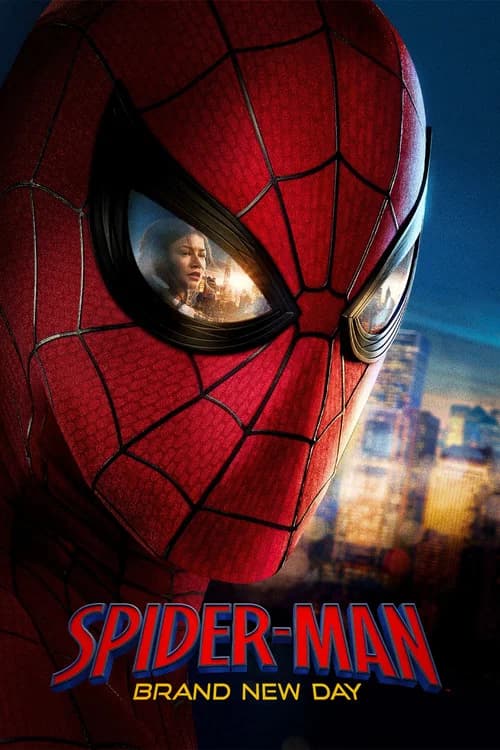
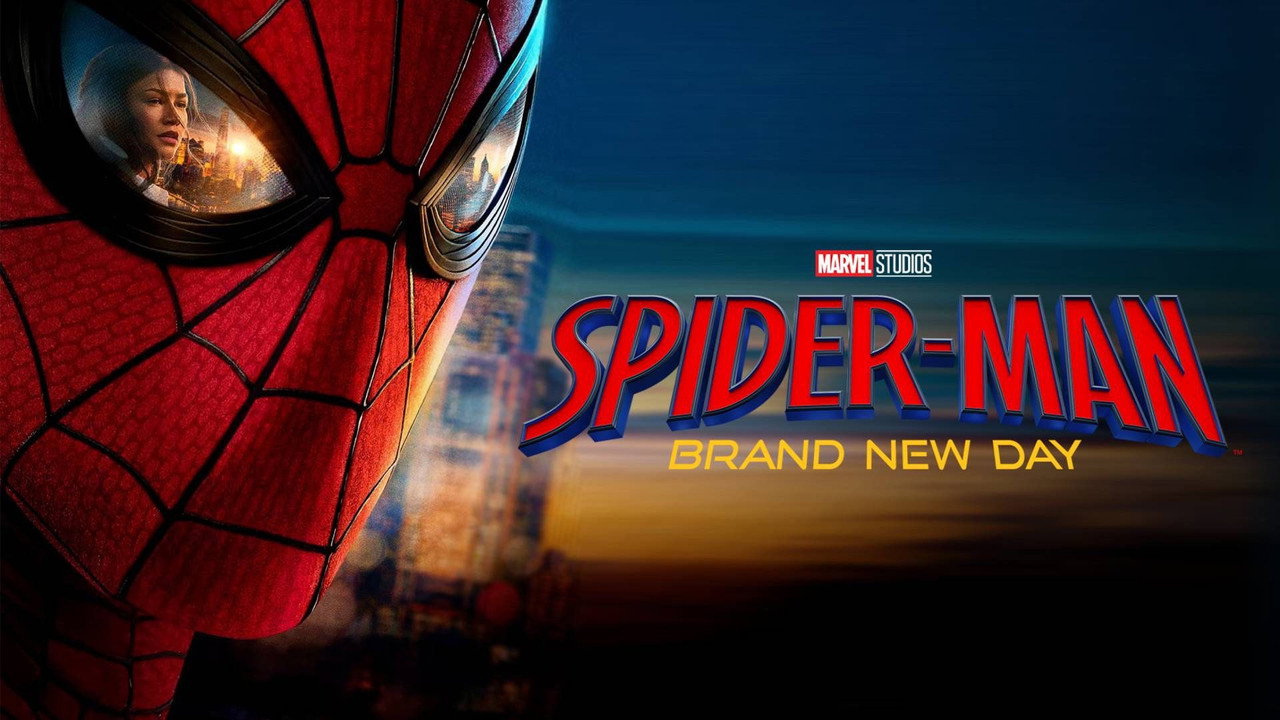
Spider-Man: Brand New Day (2026): Ending Explained
Peter survives and chooses connection over isolation in Spider-Man: Brand New Day, ending on a handshake with Ned that resets him.
7 min read
Release Year: 2026
Rating: 8.2/10
Runtime: 145 minutes
By Ending Explained Team
The short answer
The short answer
The ending of Spider-Man: Brand New Day isn't about Peter Parker winning. It's about him choosing to stop living as a ghost. After Jean Grey's psionic field freezes half of Roosevelt Island, after Peter takes a bullet meant for her, after he wakes up in a hospital bed with Frank Castle sitting there looking like a man who's finally seen himself, the film lands on something quieter than a victory. Peter stands at May's grave and says he's done doing this alone. Then he lets Jean DeWolff handle a robbery while he heals. Then he walks up to Ned Leeds and throws out their secret handshake, and Ned, who doesn't remember him, completes it anyway before saying his name. The film closes on a handshake, not a kiss. That's the reset. Not the suit, not the powers, not the city. The handshake.
Three appearances, tracked
First appearance: the handshake as muscle memory
Peter encounters Ned and MJ at a point when they've moved back to New York after MIT. He sees MJ kiss her new boyfriend. The handshake isn't performed here; it exists as history, something Peter carries and Ned doesn't. The film establishes it as a relic of a friendship that only one person remembers.
The turn: the letter and the apartment
Peter returns to MJ after she finds the unsent reintroduction letter. He apologizes for not telling her the truth. He declares his love. MJ doesn't remember him and doesn't reciprocate. But she invites him to her and Ned's apartment anyway. A masked Peter bonds with them both. The handshake hasn't happened yet, but the door is open. The letter cleared the ground. It didn't restore anything, but it made room for something new.
The ending: Ned completes it
Peter greets Ned with the secret handshake. Ned performs it, looking confused, until they finish the sequence and he says Peter's name. That's it. That's the last beat. Not recognition. Not memory. Just the body doing something the mind can't explain, and a name spoken on the other side of it. The handshake works because it bypasses the part of Ned that forgot. Muscle memory outruns memory.
Where the motif breaks
The handshake doesn't break. What breaks is the assumption that the handshake needs to mean what it used to mean. For two films and change, the secret handshake between Peter and Ned has been a symbol of their friendship, a private language. When Ned completes it while confused, the film stops treating it as a symbol of shared history and starts treating it as proof that connection doesn't require shared history. You can rebuild from the body up. You can start with the gesture and let the meaning catch up later.
That's the actual point of the ending. Not that Ned remembers. He doesn't. Not that MJ falls for Peter again. She doesn't. The point is that Peter stops requiring memory as a precondition for relationship. He spent four years protecting New York anonymously, visiting May's grave, writing a letter he never sent. All of that was isolation dressed up as responsibility. The handshake is him reaching out without a guarantee. And Ned reaches back.
Spinning a web of spectacular set pieces together with mature emotional stakes and Tom Holland's soulful performance, Brand New Day is a promising reset that portends Spidey will remain sticky on the big screen for years to come.
What it adds up to
What a first-time viewer sees
A Spider-Man movie where the hero takes a bullet for a former enemy, recovers, and then has a friendly moment with a guy who doesn't remember him. The handshake reads as bittersweet. Ned's confusion is the punchline, and Peter's willingness to try anyway is the emotional beat.
What they see after the ending
The handshake isn't bittersweet. It's the thesis. Peter spent the whole film trying to control outcomes: building inhibitors to suppress what he's becoming, writing a letter he never sends, keeping MJ and Ned at arm's length to protect them. The ending strips all of that away. He removes his inhibitor and embraces his new abilities. He lets Jean into his mind. He takes the bullet. And then he does the one thing he couldn't do for four years: he initiates contact without knowing what he'll get back. Ned completing the handshake is the film's answer to Peter's grave-side vow. He said he'd stop doing everything alone. The handshake is him proving it.
The other thread
The film also settles what happens to Jean Grey, and it does so with more grace than the Peter-MJ thread gets. Jean creates the psionic field, freezes everyone except Peter, and attacks him with the Hand. He removes his inhibitor, defeats the ninjas, and stops her from killing Metzger. Then he lets her into his mind. She experiences the memory of May saying she loves him for who he is. They reconcile over their respective losses: Jean lost Sara, Peter lost May. Jean drops the field. She leaves the city.
The important thing here is that Jean doesn't get punished. Metzger disappears and the DODC comes under investigation, but Jean walks away. Peter shields her from Castle's bullet and takes the hit himself. Jean remotely keeps him alive. That's the exchange. She tried to kill Metzger, and Peter stopped her, not by defeating her but by showing her the one memory that could reach past her rage. The film doesn't pretend this fixes her. She still leaves. But she leaves alive, and she leaves owing Peter her life the same way he owes her his. That's not a tidy resolution. It's a truce between two people who've lost the same kind of thing.
The verdict
The verdict
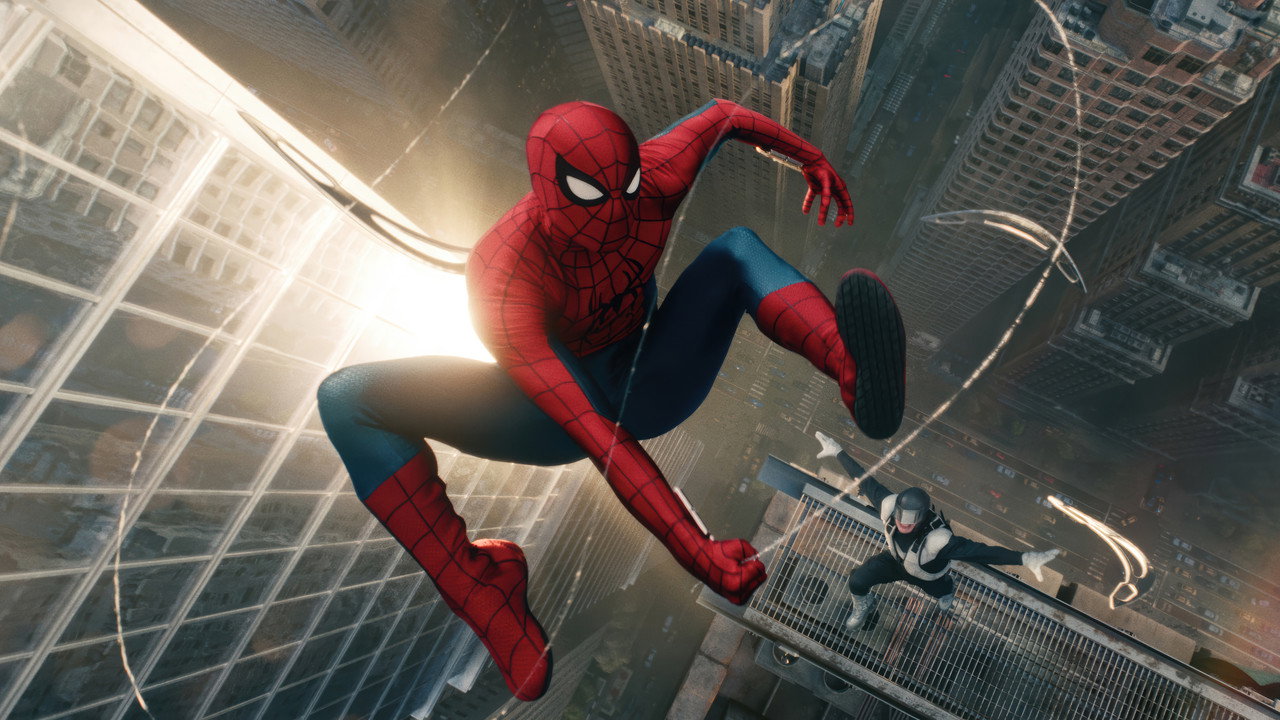
Brand New Day ends with Peter Parker choosing connection over control, and the film treats that choice as the real reset. Not the suit. Not the powers. Not the city. The handshake.
David Rooney at The Hollywood Reporter called the film's humanity "the humanity that has always been Spidey's greatest strength," and the ending earns that. Peter doesn't get MJ back. He doesn't get Ned's memory back. He gets a confused guy completing a handshake and saying his name, and that's enough. The film is 145 minutes of Peter learning that protecting people from a distance isn't the same as loving them up close. The ending is him closing the distance.
Destin Daniel Cretton and his writers, Chris McKenna and Erik Sommers, built the whole film around Peter's refusal to let anyone in. He visits May's grave alone. He writes a letter he never sends. He builds an inhibitor to suppress what he's becoming. He tells himself he's protecting MJ and Ned by staying away. The ending dismantles every one of those moves. He removes the inhibitor. He lets Jean into his mind. He takes the bullet. He lets DeWolff handle the robbery. He throws out the handshake.
The film's final image isn't Peter swinging through Manhattan or standing on a rooftop. It's two guys doing a handshake, one of them confused, and the confused one saying the other's name. That's the reset. Not a new suit. Not a new villain. A name spoken by someone who doesn't remember why he knows it. Peter spent four years as a ghost. The ending is him becoming visible again, one gesture at a time.