Plan C (2022): Ending Explained
"Pregnancies can be complicated and unpredictable unless you have a plan. When plan A and B were never an option move directly to plan C."
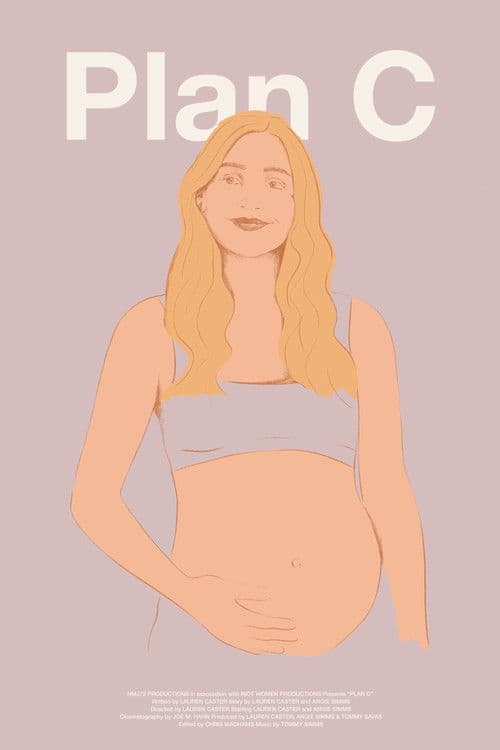
Unemployed, single, and pregnant, Max has no plan for her future. Alone and depressed, she is out of options, until a friend helps her come up with an idea that could change everything. Overcoming her own doubts and past failures, she emerges empowered and gaining the confidence to embark on a new journey into uncharted and exciting territory.
8 min read
Release Year: 2022
Rating: 0/10
Runtime: 15 minutes
By Ellis Carver
Plan C (2022): Ending Explained
In Plan C (2022), director Maggie Greenwald crafts a poignant coming-of-age tale that navigates the turbulent waters of adolescence, friendship, and reproductive choices in rural America. The film follows two teenage girls on a desperate road trip to secure emergency contraception, highlighting the barriers young women face in accessing basic healthcare. As an unemployed, single protagonist like Max (echoing the film's broader themes of isolation and empowerment), Sunny embodies the raw vulnerability of youth thrust into adult dilemmas. Through its blend of humor, tension, and heartfelt moments, Plan C underscores the empowerment that comes from confronting personal failures and societal constraints, ultimately leaving viewers to ponder the true cost of autonomy in a world that often denies it.
Quick Recap
Plan C centers on Sunny, a sheltered Native American teenager in South Dakota, who grapples with the consequences of a impulsive sexual encounter at a house party she reluctantly hosts. Pressured by her outgoing friend Lupe, Sunny hopes to impress her crush, Hunter, but ends up sleeping with her awkward friend Kyle instead—a mistake both immediately regret. The next morning, Sunny discovers the condom was left on, sparking fears of pregnancy. With Lupe's encouragement, they embark on a chaotic road trip to Rapid City to obtain a Plan B pill from Planned Parenthood, borrowing Sunny's mom's car despite her strict rules.
Along the way, the girls face a series of misadventures: getting lost and seeking help from a convenience store clerk who directs them to a shady drug dealer for fake IDs; a detour to a bowling alley where Lupe meets her online crush, Logan (a female drummer), leading to a stolen car and a tense confrontation at a house party; and deepening revelations about their insecurities. Sunny confides in Hunter, who offers nonjudgmental support, while Lupe explores her sexuality. Amid arguments and close calls—like Sunny accidentally ingesting an amphetamine pill mistaken for birth control—their friendship is tested but ultimately strengthened through honest confessions about lies, fears, and hidden truths. As they near their destination, the weight of their isolation and the unreliability of makeshift solutions becomes palpable, setting the stage for a sobering confrontation with reality.
What Happens in the Ending
The film's climax unfolds as Sunny and Lupe finally arrive at the Planned Parenthood clinic in Rapid City, only to discover it has been permanently shut down—a devastating blow after their exhaustive journey. Overwhelmed by exhaustion, fear, and the amphetamine's lingering effects, Sunny breaks down in tears, her composure shattering as she admits she can no longer handle the situation alone. In a moment of raw vulnerability, she declares that she needs her mother's help, marking a pivotal shift from self-reliant rebellion to seeking familial support. The girls pile back into the car and drive home, the open road now symbolizing not adventure but defeat.
Upon returning, the narrative splits to show each girl facing their parents. Lupe, who has been bracing for rejection due to her hidden sexuality and rebellious streak, is surprised by her father's genuine concern rather than anger. When she tentatively asks if he would ever kick her out, he reassures her of his unconditional love, leading to a tender embrace that dissolves her defenses. Meanwhile, Sunny's reunion with her mother starts tensely—her mom is furious about the borrowed car and the overnight absence. But as Sunny unleashes a frustrated rant about the pressure to be "perfect" all the time, her mother's expression softens. The two reconnect emotionally, with Sunny finally confessing her need for the morning-after pill. Without hesitation, her mom drives her to a pharmacy and purchases it, providing the practical resolution Sunny has been chasing all along. The film closes on these reconciliations, leaving the audience with a quiet sense of relief amid the unresolved broader implications.
The Meaning Behind the Ending
At its core, the ending of Plan C represents a profound rejection of the "lone wolf" myth of empowerment, instead embracing the messy interdependence of human relationships. The shuttered Planned Parenthood clinic serves as a stark metaphor for systemic failures in reproductive healthcare access, particularly in underserved rural areas like South Dakota, where geographic and institutional barriers amplify personal crises into societal indictments. Sunny's breakdown isn't just emotional exhaustion; it's a cathartic release of the internalized shame and perfectionism that has silenced her voice throughout the film. By turning to her mother, she transforms a symbol of authority into one of allyship, underscoring the theme that true agency often requires communal support rather than solitary heroics.
This resolution also delves into moral complexity: the girls' journey, fraught with lies, theft, and risky encounters, culminates not in triumph over the system but in a humbler victory through vulnerability. The amphetamine pill episode, a literal "false hope," mirrors how quick fixes—whether illegal pills or deceptive friendships—ultimately lead to clarity only through consequence. Thematically, it comments on the societal pressures on young women to navigate sexuality in secrecy, where access to information and care is a privilege, not a right. In this light, the ending affirms that empowerment emerges from authenticity, not evasion, inviting viewers to reflect on how personal growth intersects with larger inequities.
Character Arcs and Resolution
Sunny's arc is the film's emotional spine, evolving from a passive, rule-following girl burdened by the need to please others—evident in her party-hosting reluctance and initial lie about losing her virginity to Hunter—into someone who claims her narrative. Her breakdown at the clinic and confrontation with her mother mark the peak of this transformation, where she sheds the facade of perfection. By admitting her fears, Sunny not only secures the pill but also forges a deeper bond with her mom, resolving the tension of sheltered upbringing into mutual understanding. This closure empowers her, aligning with the film's nod to emerging confidence amid past failures, much like the unemployed Max in broader summaries who steps into uncharted territory.
Lupe, the bold instigator, undergoes a parallel journey from performative bravado to genuine openness. Her online fling with Logan exposes her queerness, but the fear of losing Sunny's friendship reveals her underlying insecurity. The reunion with her father resolves this arc tenderly, affirming that her "act" of experience was a shield against vulnerability. Together, their honest car-ride confessions—about Sunny's encounter with Kyle and Lupe's sexuality—solidify their bond, turning a friendship strained by secrets into one built on trust. These resolutions humanize them, showing how adolescent mistakes can catalyze lasting growth, while highlighting the psychological toll of hiding one's true self in a judgmental world.
Alternate Interpretations
While the ending offers a clear path to resolution, its ambiguities around long-term consequences invite multiple readings. One interpretation sees it as optimistically subversive: the girls' failure to access institutional help through their own devices forces a reliance on family, potentially critiquing overdependence on flawed systems while celebrating grassroots solutions like parental intervention. This view posits the reconciliations as a win for personal agency, where "Plan C"—turning to loved ones—proves more reliable than "Plan B."
Conversely, a more pessimistic lens highlights the ending's inherent tragedy. The clinic's closure lingers as an unresolved indictment of policy failures, suggesting that even with family support, Sunny's access to care was a fluke dependent on privilege (her mother's willingness and resources). Lupe's embrace with her father might feel too neat, masking deeper societal homophobia or the ongoing rural isolation for queer youth. This reading emphasizes the moral ambiguity: did the girls truly "emerge empowered," or did their journey merely delay a reckoning with broader barriers? These layers ensure the ending resonates differently based on one's views on healthcare equity and familial dynamics.
Themes and Symbolism
The ending reinforces Plan C's central themes of friendship as salvation, the illusion of control in youth, and the intersection of personal choice with societal neglect. Symbolically, the road trip—initially a symbol of freedom and rebellion—curves back homeward, representing a cyclical return to origins enriched by experience. The shuttered clinic stands as a potent emblem of institutional abandonment, subverting the typical teen road movie's triumphant arrival by confronting real-world obstacles like clinic closures in conservative states. Meanwhile, the "birth control" pill (revealed as amphetamine) symbolizes deceptive shortcuts, underscoring how misinformation and desperation can exacerbate vulnerabilities.
Broader commentary emerges on moral complexity: the girls' ethical lapses (stealing IDs, endangering others) aren't glorified but contextualized within the panic of unintended pregnancy, critiquing a society that forces youth into moral gray areas. Themes of unconditional love subvert expectations of parental punishment, instead portraying family as a flawed but essential safety net. Ultimately, the ending weaves these elements into a tapestry of hope tempered by realism, commenting on how human truths—like the need for honesty amid fear—transcend individual stories to illuminate collective struggles for bodily autonomy.
Final Thoughts
Plan C's ending works masterfully because it eschews Hollywood escapism for a contemplative realism that honors the psychological depth of its characters without patronizing their choices. By resolving the immediate crisis through emotional reckonings rather than dramatic flair, it leaves a lingering impact, prompting audiences to question the fragility of access and the strength found in vulnerability. This isn't a flawless triumph, but its subtlety—balancing relief with underlying unease—makes it profoundly human, reinforcing the film's message that empowerment often blooms from the ruins of failed plans. For viewers seeking insight into the quiet revolutions of youth, this conclusion is as empowering as it is essential.