Inherent Vice (2014): Ending Explained
Doc trades planted heroin to the Golden Fang for Coy's freedom, Bigfoot apologizes, and Doc and Shasta drive off insisting they're not back together.
6 min read
Release Year: 2014
Rating: 6.5/10
Runtime: 149 minutes
By Ending Explained Team
The short answer
The short answer
Doc Sportello gets Coy Harlingen back. He does it by handing the Golden Fang the heroin Bigfoot stole from them, a trade that buys Coy's freedom because the Golden Fang runs Vigilant California, the militia Coy infiltrated for. Doc drives Coy home and watches the reunion with Hope. Then Bigfoot visits, says he's sorry for planting the dope in Doc's car, and leaves. The last scene is Doc and Shasta driving away together, and both of them saying, out loud, that this does not mean they are back together.
Nobody solves the case. There is no case. Doc spends two hours running errands, and the only thing he walks away with is a car ride he's told not to read into.
The last twenty minutes

The files
Penny, the assistant DA Doc has been sleeping with, hands him confidential LAPD paperwork. It says the department pays Adrian Prussia to kill people, and that Prussia is tied to the Golden Fang. One of Prussia's victims was Bigfoot's old partner. That last line is the hinge of the whole movie. Bigfoot isn't just a cop who hassles Doc. He's a man whose partner was murdered by a contractor the department keeps on payroll.
Prussia's place
Doc goes to see Adrian Prussia and walks into a trap. Puck Beaverton jumps him and locks him up. Doc gets loose and kills them both. Two men dead, and Doc is the one standing.
The ride home
Bigfoot appears, pulls Doc out, drives him back to Gordita Beach. It reads like a rescue until Doc finds the heroin in his car. Bigfoot took it off the Golden Fang as revenge for his partner's murder and planted it on Doc. The man who just saved Doc's life is the man setting him up to go down for it. Both things are true in the same twenty minutes.
The trade
Doc doesn't fight the frame. He uses it. He arranges for the heroin to go back to the Golden Fang, and in exchange they let Coy Harlingen walk. That's the reveal underneath the whole plot: the Golden Fang runs Vigilant California, so the militia Coy infiltrated for is the syndicate itself. I'd argue every case he runs touches one outfit wearing two names.
Coy comes home
Doc drives Coy to his house and watches the reunion with Hope, the man she was told was dead, the man whose unexplained bank deposit she brought to Doc in the first place. It's the only clean thing that happens in the movie. Nobody pays for it but Doc, and he pays in heroin he never wanted.
The apology
Bigfoot comes by and says he's sorry for framing Doc, then leaves. No restitution, no return of anything, no consequence. An apology from a man who framed somebody and got his revenge anyway.
The ledger
What he gains
Doc gains Coy's freedom, his own freedom, a returned apology, and Shasta driving off with him.
What he pays
Doc pays with two dead men he killed himself, a frame he had to negotiate his way out of instead of clear, and a heroin trade that leaves the Golden Fang holding exactly what it wanted. He ends the movie with less leverage than he started with.
Shasta gains a seat in Doc's car and, for the length of one drive, his company.
Shasta pays with the truth she already told him: she was on the Golden Fang with Mickey, and Mickey went back to his wife. She gets the ex-boyfriend, not the developer, and she has to say out loud that it doesn't count.
Bigfoot gains his revenge for his partner's murder.
Bigfoot pays nothing the film shows us. He apologizes and walks out the door.
Coy gains his life back, his wife, his daughter.
Coy pays with time lost to informant work for a militia the Golden Fang ran. The freedom is real. So is the fact that it was purchased, not won.
Hope gains her husband back, alive.
Hope pays with the time she spent told he was dead while the deposit in her account told her otherwise, and the film never says what the deposit was.
The irony
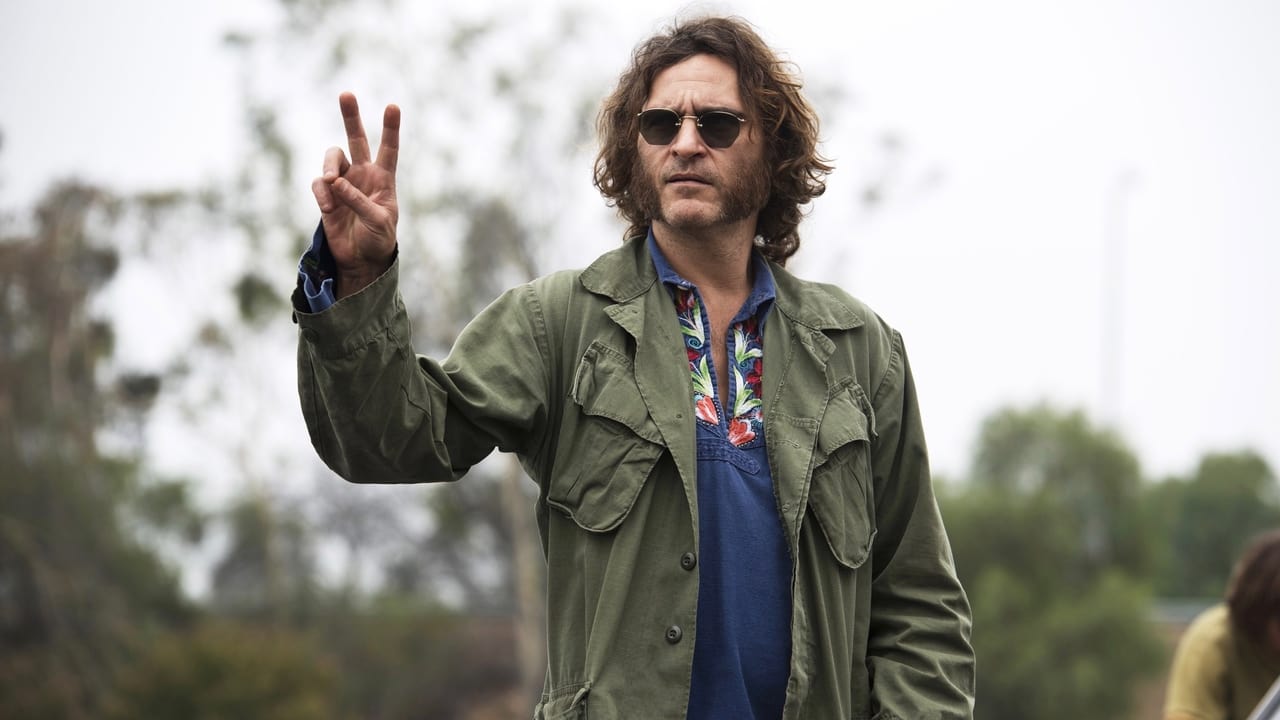
Coy wanted to go home. He gets home. That's the one wish the movie grants without a catch, and it's granted by the same syndicate that ran him, financed by the same heroin that was planted on Doc, brokered by a man who had just killed two people. The reunion with Hope is the happiest image in the film and it is also a receipt. Coy is free because Doc paid. The Golden Fang got its product back, Bigfoot got his partner avenged, and Coy got his wife. Everybody's account clears except the one belonging to the guy who arranged it.
And then Shasta. Doc spends the whole movie circling her, and he ends it with her in the car, and the film makes them both say it doesn't mean anything. That's the joke Anderson lands last. The reunion the audience has been waiting for arrives and immediately disclaims itself, and the disclaimer is the honest part. She was on the boat. He knows it. She knows he knows it.
Did anyone get a warning
Jade leaves it in a message, apologizing for the ambush and telling him to beware the Golden Fang.
She says it as an apology for the ambush, which is the whole shape of the movie in one line: the warning and the setup arrive together, from the same person, in the same breath. Doc spends the rest of the film learning that the boat, the dentist, the asylum and the militia share a backer, and the department pays that backer's killer. By the time he understands it, the only move left is to give the thing back and take what he can get for it.
The verdict
The verdict
The film's real subject is not the mystery. It's who has to eat the cost when the powerful settle up among themselves, and the answer is the guy with the beach house. Doc ends the movie with nothing but favors, and broke in every other sense. He killed two men and the film seems in no hurry to celebrate it. He got his client's husband back and the syndicate got its shipment back. He got the girl in the car and they both said it doesn't mean they're back together.
Bigfoot comes out clean, and he's earned none of it. He framed Doc, then said sorry and walked. A cop's grief is worth more than a hippie's freedom, and an apology is worth more than the crime it covers. The film doesn't show Doc's answer; the apology is simply all that's on offer. That's not ambiguity. That's the ending.