Monsters University (2013): Ending Explained
"Before they were incorporated, they had to be educated."
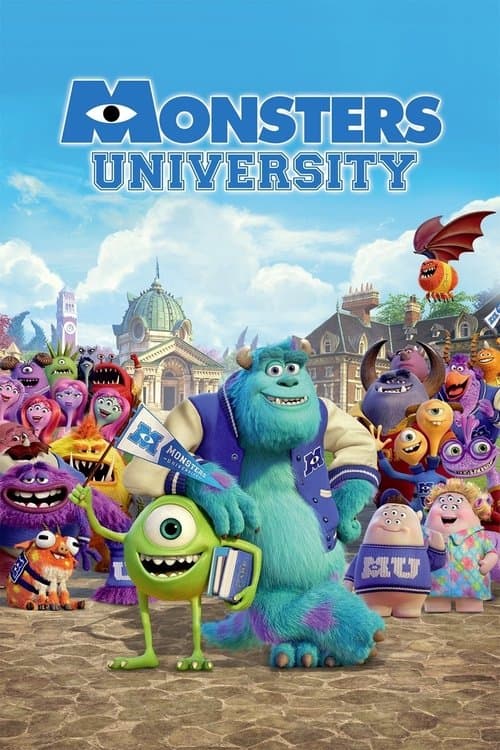
A look at the relationship between Mike and Sulley during their days at Monsters University — when they weren't necessarily the best of friends.
8 min read
Release Year: 2013
Rating: 7.043/10
Runtime: 104 minutes
By Ellis Carver
Monsters University (2013): Ending Explained
As Luna Sterling, I've always been drawn to the shadowy undercurrents of animated tales, where the vibrant colors mask deeper tensions of ambition and belonging. In Pixar's Monsters University (2013), director Dan Scanlon crafts a prequel that pulses with the electric hum of youthful rivalry and the creeping doubt of unproven dreams. This "ending explained" dives into the film's climactic resolution, unpacking the literal events, their psychological weight, and the lingering echoes of what it means to scare—or be scared—in a world powered by fear. If you're searching for a breakdown of how Mike and Sulley's journey culminates, stick around; the finale's blend of chaos and camaraderie leaves a resonant chill.
Quick Recap
Monsters University transports us to the monster realm's prestigious campus, where aspiring scarers hone their craft amid the flickering glow of scream-powered doors to the human world. At its heart is Michael "Mike" Wazowski, a one-eyed underdog fueled by relentless determination, whose childhood fascination with scaring—sparked by a forbidden glimpse into a scarer's door—drives him to enroll as a scare major. His path collides with James P. "Sulley" Sullivan, a blue-furred natural talent whose effortless prowess breeds arrogance, igniting a rivalry that simmers like static in the air.
Kicked out of the scare program after a disastrous exam tainted by their feud, Mike assembles the ragtag Oozma Kappa fraternity of misfits to compete in the Scare Games, roping in a reluctant Sulley to complete the team. What begins as a desperate bid for redemption evolves through humiliating setbacks and clandestine training sessions at Monsters, Inc., where the scent of industrial energy lingers like a promise of power. As tensions build—Mike's bookish grit clashing against Sulley's raw instinct—the games become a pressure cooker of fractured alliances and whispered doubts, leading to a victory shadowed by betrayal.
What Happens in the Ending
The finale unfolds in a whirlwind of revelation and raw survival, the air thick with the metallic tang of simulated screams and the distant rumble of closing doors. Oozma Kappa clinches the Scare Games' final round against the smug Roar Omega Roar, their improbable triumph echoing through the arena like a collective exhale. But the mood shifts abruptly when Mike, poring over the scores in the dim glow of the university's archives, uncovers a gut-wrenching truth: Sulley tampered with the simulator to inflate Mike's performance, the cheat a visceral stab at Mike's core belief in his own merit.
Fueled by a storm of betrayal and defiance, Mike sneaks into the school's door lab under the cover of night, the lab's humming machinery casting eerie shadows that mirror his inner turmoil. He activates a door leading to the human world, emerging into the humid, pine-scented haze of a summer camp. Confronted by a cabin of wide-eyed children, Mike unleashes his rehearsed scare routine—complete with snarls and exaggerated gestures—but the kids' laughter rings out, hollow and mocking, underscoring his failure in a moment that feels like the ground crumbling beneath him. No screams materialize; instead, a profound silence settles, broken only by the rustle of leaves.
Meanwhile, back at the university, Sulley confesses his deception to Dean Hardscrabble, the confession hanging heavy in the dean's office like unspoken regret. Alerted to the break-in, Sulley races to the human world through another door, finding Mike despondent amid the camp's fireflies. Their reconciliation crackles with urgency as adult counselors pursue them, flashlights slicing through the darkness like accusatory beams. Trapped when Hardscrabble deactivates the doors—sealing them in with the faint, fading whir of machinery—they improvise: Sulley and Mike channel their combined talents to terrify the adults, generating a surge of scream energy that roars to life, powering the door in a blinding explosion of light and sound. They burst back into the lab, breathless and bonded.
The aftermath is swift and unforgiving. Expelled from Monsters University in a ceremony that feels oppressively formal, the weight of consequence presses down like an unyielding fog. Yet, glimmers of hope pierce through: the Oozma Kappa members, their earlier grit earning Hardscrabble's rare nod of respect, gain entry to the scare program next semester. As Mike and Sulley depart the campus gates, the dean surprises them with a parting whisper of admiration—the first time she's been caught off guard—wishing them luck in the shadowed path ahead. The screen fades to their new reality: toiling in the fluorescent-lit drudgery of Monsters, Inc.'s mailroom under the Abominable Snowman's gruff oversight. But the film closes on a note of ascent, implying their perseverance propels them upward through the ranks, eventually landing them on the Scarer Team, side by side.
The Meaning Behind the Ending
This ending resonates with a quiet intensity, symbolizing the gritty alchemy of failure into fortitude. The Scare Games victory, tainted by cheat, serves as a metaphor for the illusion of success without authenticity—Mike's inflated score a hollow echo that crumbles, much like the brittle facade of campus rivalries. Their exile to the human world, with its damp earth and indifferent laughter, embodies a psychological descent into doubt, forcing Mike to confront the visceral reality that scaring isn't just technique but an innate spark he lacks. Yet, the surge of scream energy they generate together—raw, collaborative terror—represents the theme of synergy over solitude, turning personal inadequacy into collective power.
Deeper still, the expulsion acts as a rite of passage, the university's rigid doors slamming shut like the end of innocence, propelling them into the "real" monster world. It's a poignant nod to how dreams deferred don't shatter but reshape, the mailroom's mundane clamor a crucible where ambition simmers beneath the surface, hinting at future glory without spelling it out.
Character Arcs and Resolution
Mike's arc, a tense journey from wide-eyed dreamer to humbled realist, culminates in a resolution that aches with growth. The boy who chased screams through forbidden doors now faces their absence, his expulsion stripping away the safety of academia and thrusting him into the mailroom's echoing isolation. Yet, this low point forges resilience; his partnership with Sulley evolves from rivalry's bitter edge to mutual reliance, resolving his isolation by affirming that true scaring—literal or metaphorical—thrives in alliance.
Sulley, whose arc traces the fall from privileged prodigy to accountable friend, finds redemption in confession and action. His cheat exposes the fragility of talent untempered by effort, and the human-world chase strips his bravado, leaving him vulnerable in the chase's frantic shadows. Their shared expulsion resolves his arc by grounding him; the mailroom grind humbles his arrogance, paving the way for a scarer role earned through loyalty, not inheritance. Together, their resolutions weave a tapestry of enduring friendship, the ending's warmth cutting through the chill of consequence.
Alternate Interpretations
While the ending leans toward uplift, its ambiguities invite layered readings. One interpretation casts the mailroom ascent as bittersweet irony: Mike, forever barred from formal training, succeeds not as a scarer but as a team enabler, suggesting his "scare" lies in strategy over spectacle—did his failure at the camp liberate him from an unattainable dream, or merely delay it? Another views the dean's surprise as subtle foreshadowing of systemic change; Hardscrabble's admiration hints at a world where misfits like Oozma Kappa could redefine scaring, implying Mike and Sulley's path might indirectly reform Monsters, Inc. from the ground up. Less optimistically, the expulsion could symbolize irreversible loss—university as a metaphor for lost youth, their corporate climb a resigned compromise echoing real-world regrets.
Themes and Symbolism
The ending reinforces core themes of perseverance amid inadequacy and the transformative power of friendship, subverting the prequel's setup by flipping Monsters, Inc.'s established dynamic: here, talent and grit must merge to survive. Symbolically, doors represent thresholds of potential—Mike's camp door a portal to disillusionment, its unlocked scream a visceral emblem of untapped energy born from unity. The human world's intrusion subverts the monster realm's insulated fears, blurring boundaries to underscore that true terror stems from vulnerability, not just performance. Broader still, the narrative challenges elitism; Oozma Kappa's acceptance symbolizes inclusivity, while the mailroom evokes the psychological tension of starting over, where the hum of envelopes masks the pulse of ambition.
Final Thoughts
Monsters University's ending works its magic through subtle emotional undercurrents, delivering a resolution that's as tense and rewarding as the games themselves. It avoids tidy bows, instead leaving a lingering mood of earned optimism amid the fog of setbacks—Mike and Sulley's mailroom origins a quiet promise that echoes into their future triumphs. For a film steeped in the thrill of scares, this close-up on human (or monster) frailty feels profoundly evocative, reminding us that the scariest paths are those walked together. If you're rewatching, savor that final door's roar; it's the sound of dreams, dented but unextinguished.