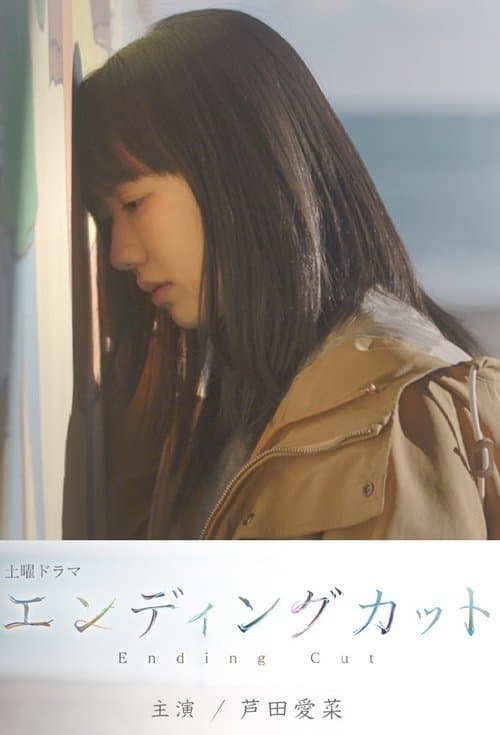
Ending Cut (2022): Ending Explained
Sakota Yui is a senior high school student living in a seaside town. Her parents own a beauty salon and she dreams of going to the big city for college to learn art. One day, Yui sees her father heading to a funeral home. She follows him and finds out that her father is working a job where he listens to the bereaved family and sets the deceased's hair before the coffin is laid to rest, which is called "Ending Cut".
8 min read
Release Year: 2022
Rating: 0/10
Runtime: 73 minutes
By Luna Sterling
Ending Cut (2022): Ending Explained
Quick Recap
In the quiet, fog-shrouded seaside town where the air always carries a faint tang of salt and regret, Sakota Yui navigates the liminal space between adolescence and adulthood. A senior high school student with dreams as vast as the ocean horizon, Yui yearns to escape to the bustling anonymity of the big city, where she can immerse herself in art school and sculpt her future from canvas and clay. Her days are filled with the mundane rhythm of family life—her parents running a modest beauty salon, scissors snipping through the everyday transformations of hair and hope. Yet beneath this surface normalcy lurks an unspoken tension, a psychological undercurrent that Yui senses but cannot name, like the distant crash of waves against hidden rocks.
One overcast afternoon, curiosity pulls Yui like an invisible tide. She spots her father slipping away from the salon, his posture heavy with a secrecy that prickles the skin. Following him through the town's winding streets, where the wind whispers through narrow alleys carrying echoes of grief, she arrives at a funeral home. The building looms like a shadow cast long by mortality, its doors exhaling the sterile chill of preserved silence. There, Yui uncovers the hidden facet of her father's life: he performs "Ending Cut," a solemn ritual where he listens to the stories of the bereaved and styles the hair of the deceased one final time before they are laid to rest in their coffins. This revelation shatters Yui's insulated world, forcing her to confront the raw, visceral intimacy of death amid the tools of beauty and renewal.
As the film unfolds, Yui grapples with this discovery, her artistic aspirations clashing against the somber weight of familial duty and the inescapable brush with mortality. The narrative builds a palpable tension, layering psychological unease through close-ups of trembling hands and the soft, echoing sobs in dimly lit rooms, drawing viewers into Yui's fractured perspective.
What Happens in the Ending
The final scenes of Ending Cut unfold in a crescendo of hushed intimacy and emotional release, centering on Yui's evolving relationship with her father's ritualistic work. After days of internal turmoil—nights spent sketching shadowy figures in her notebook, the pencil strokes growing erratic as if tracing the veins of unease—she returns to the funeral home unannounced. The air inside is thick, laced with the faint, metallic scent of embalming fluids and wilting flowers, amplifying the claustrophobic dread that has haunted her since the discovery.
Yui watches from the threshold as her father tends to an elderly woman in her coffin, his fingers moving with a gentle precision that borders on reverence. He pauses to murmur words to the grieving daughter, absorbing her fragmented memories like a sponge soaked in sorrow. Emboldened by a surge of unresolved tension, Yui steps forward, her heart pounding in sync with the distant hum of the sea outside. She offers to assist, her hands—usually deft with salon shears or artistic tools—now trembling as they touch the cool, lifeless strands. Together, father and daughter complete the "Ending Cut," styling the hair into a soft wave that evokes the woman's youthful vitality, as described in the family's tearful anecdotes.
As the coffin lid closes with a soft, final click that reverberates like a held breath released, Yui steps back, her face illuminated by the dim overhead light casting long shadows across the room. She whispers a quiet acknowledgment to her father, the words hanging heavy in the air, before turning to leave. The camera lingers on her silhouette against the foggy window, the town beyond blurring into a haze of possibility, as she clutches a small sketch from her pocket—a drawing inspired by the ritual, blending death's stillness with art's defiant pulse.
The Meaning Behind the Ending
At its core, the ending of Ending Cut symbolizes the convergence of life's fleeting beauty and its inevitable decay, a metaphor woven through the act of hair styling as both creation and farewell. The "Ending Cut" itself represents a psychological bridge between the living and the dead, where grooming becomes a tactile act of empathy, preserving dignity in the face of oblivion. Yui's participation is no mere plot device; it's a visceral catharsis, her hands on the cold hair evoking the tension of confronting mortality's chill touch, transforming personal dread into shared humanity.
Thematically, the film probes the illusions we maintain about family and ambition. Yui's seaside town, with its perpetual mist and muffled sounds, mirrors the foggy veil over unspoken truths, and the ending peels it back to reveal how art—whether in salon cuts or Yui's drawings—serves as a salve for grief. This final ritual underscores a deeper interpretation: death is not an end but a final styling, a metaphor for how we curate our legacies, leaving behind impressions that linger like the scent of saltwater on skin. The ambiguity of Yui's whispered words to her father hints at forgiveness and acceptance, suggesting that true artistic growth blooms from the soil of loss, turning psychological fracture into resilient form.
Character Arcs and Resolution
Yui's arc culminates in a profound evolution from naive dreamer to empathetic artist, her initial repulsion toward the "Ending Cut" giving way to reluctant participation that forges a deeper bond with her father. What begins as a psychological rift—her dreams clashing against the grim reality of his secret job—resolves in quiet solidarity, her hands mirroring his in a moment of inherited tenderness. This resolution humanizes her father, stripping away his stoic facade to reveal a man who channels grief into quiet service, his arc closing with a subtle nod of pride toward Yui, affirming their shared legacy in beauty's dual role as healer and mourner.
For Yui, the ending marks a pivotal shift: her artistic aspirations, once a escape from the town's stifling atmosphere, now integrate the visceral lessons of death. No longer viewing her father's work as macabre, she carries its essence into her future, her clutched sketch symbolizing how character growth emerges from immersion in life's underbelly. The bereaved family's quiet gratitude in the scene provides a communal resolution, underscoring how individual arcs ripple outward, easing the collective tension that has permeated the narrative.
Alternate Interpretations
The ending's subtlety invites multiple lenses, particularly in its open-ended close. One interpretation sees Yui's assistance as a full embrace of her roots, suggesting she might forgo city dreams to stay and carry on the family trade, the foggy window symbolizing a blurred but accepted path. This reading emphasizes themes of duty over ambition, where the psychological weight of discovery anchors her to the seaside town's inescapable pull.
Alternatively, the silhouette against the window could signal departure, her participation a rite of passage that liberates her for the city. Here, the "Ending Cut" becomes a metaphorical severance, cutting ties to naivety and propelling her art forward with newfound depth. The ambiguity of her expression—eyes shadowed, lips parted in unspoken resolve—fuels this view, positing the ending as a psychological launchpad rather than tether. A third, more surreal take views the entire ritual as Yui's imaginative projection, her sketches blurring reality and artifice, questioning whether the discovery ever truly happened or if it's a manifestation of her fears about familial entrapment.
Themes and Symbolism
Ending Cut reinforces themes of mortality's intimacy and art's redemptive power, subverting the typical coming-of-age narrative by infusing it with death's looming presence. Symbolism abounds: hair as a stand-in for identity, its styling a metaphor for life's curated narratives, fragile yet enduring. The seaside setting amplifies isolation and transition, waves crashing like unresolved emotions, while the funeral home's dim lighting evokes psychological shadows that the ending's faint illumination begins to dispel.
The film subverts expectations of horror-tinged discovery, instead leaning into quiet tension and empathy, using sensory details—the cool silk of hair, the muffled sobs—to build an unsettling yet poignant atmosphere. Broader themes of generational legacy emerge, with Yui's arc challenging the divide between everyday beauty (the salon) and eternal farewell (the Ending Cut), ultimately affirming that true resolution lies in weaving them together.
Final Thoughts
Ending Cut delivers an ending that lingers like the aftertaste of sea air—subtle, evocative, and profoundly moving—perfectly encapsulating director Yûta Shimotsu's atmospheric command. By transforming a niche ritual into a universal meditation on loss and creation, it avoids melodrama, opting for immersive psychological depth that resonates long after the credits. This conclusion not only ties Yui's journey into a cohesive whole but elevates the film beyond genre confines, making it a standout exploration of how we style our endings. For viewers grappling with change or grief, it's a gentle yet unflinching reminder: even in finality, there's room for one last, beautiful cut.